
Tariffs & duties
Werner Q3 earnings beat cost headwinds from fuel and driver expenses
Werner Enterprises reported third-quarter adjusted earnings of 16 cents per share, matching its prior warning.
Tariffs & duties on The Port Book: Tariff schedules and HS codes, Most favoured nation vs preferential rates, Rules of origin, Anti-dumping and countervailing duties, Safeguard measures and Tariff rate quotas.
Werner Enterprises reported third-quarter adjusted earnings of 16 cents per share, matching its prior warning.
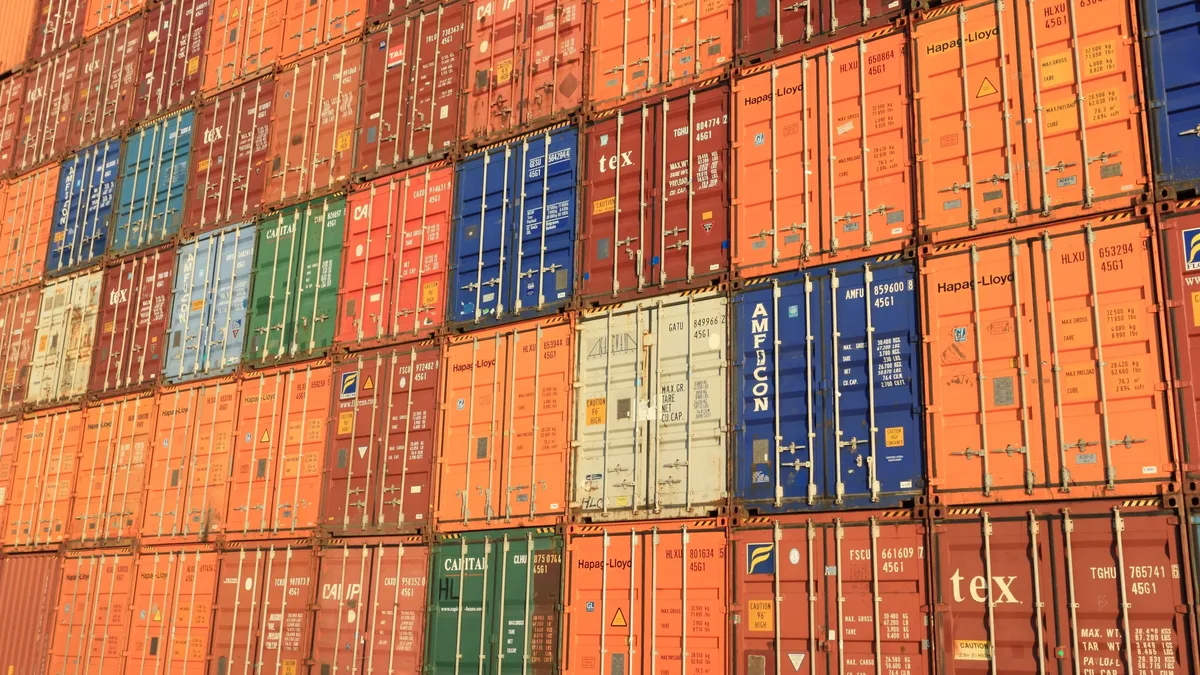
Knight-Swift Transportation posted third-quarter adjusted earnings per share of 83 cents, beating analyst estimates and signaling a structural recovery in freight markets. Revenue grew 14.2% year-on-year to $2.20 billion.

Page Siplon will lead the American Transportation Research Institute as its next president and chief operating officer, succeeding the retiring Rebecca Brewster in February 2027.
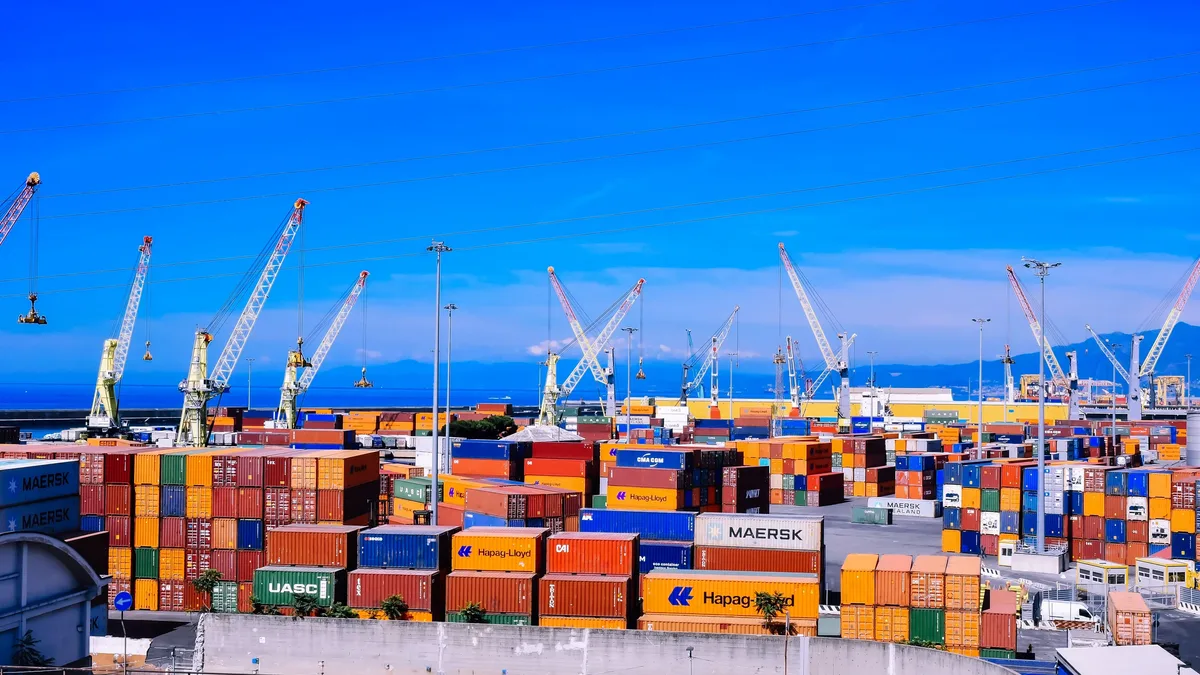
The Port of Los Angeles handled 1.42 million TEUs in September, the highest monthly volume ever recorded in the Western Hemisphere, driven by lower tariffs and supply chain shifts away from the Panama and Suez canals.
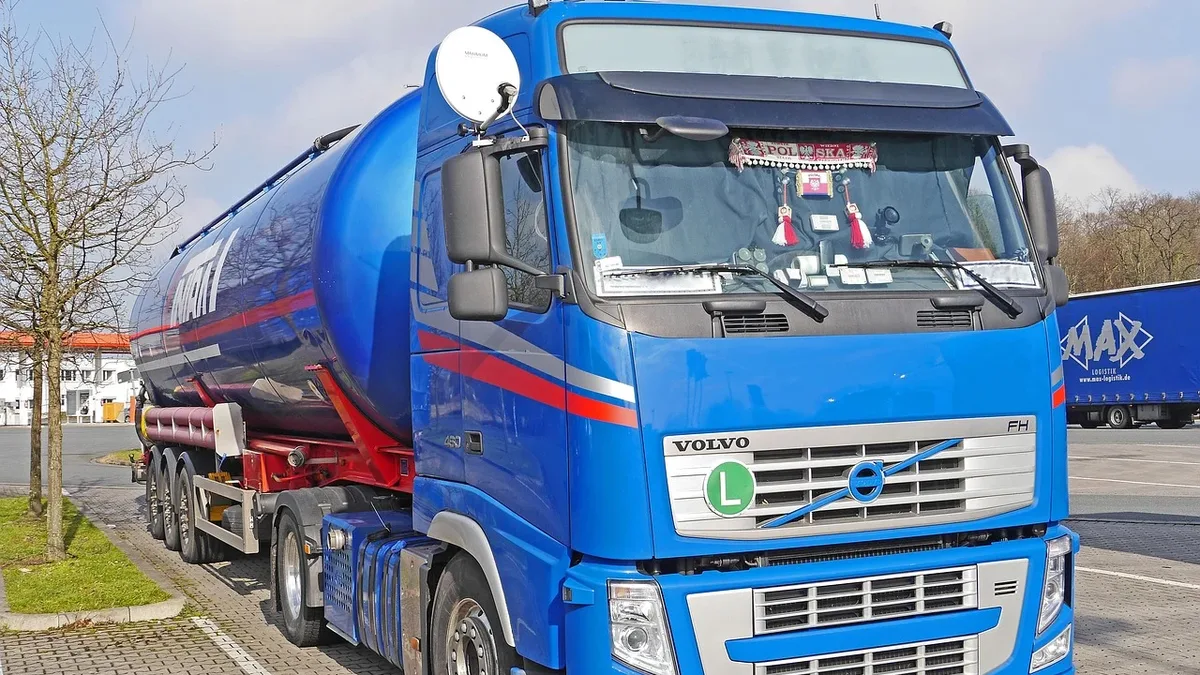
Volvo Trucks North America unveiled the 540-hp VNX vocational truck, introducing remote steering and terrain braking to grow its share in the North American vocational market.
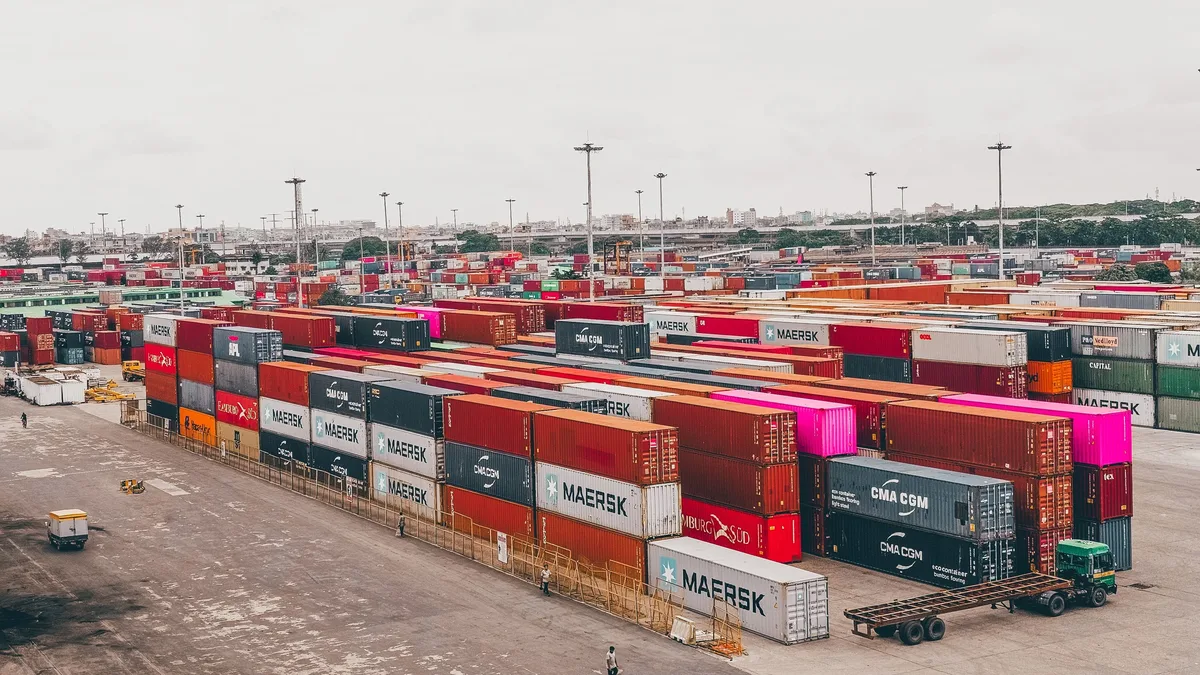
Heavy haul and open equipment freight is the most volatile transport mode, with surging AI infrastructure demand creating capacity crunches and inflating rates, a trend exacerbated by Gulf Coast market pressures and problematic shipper strategies.
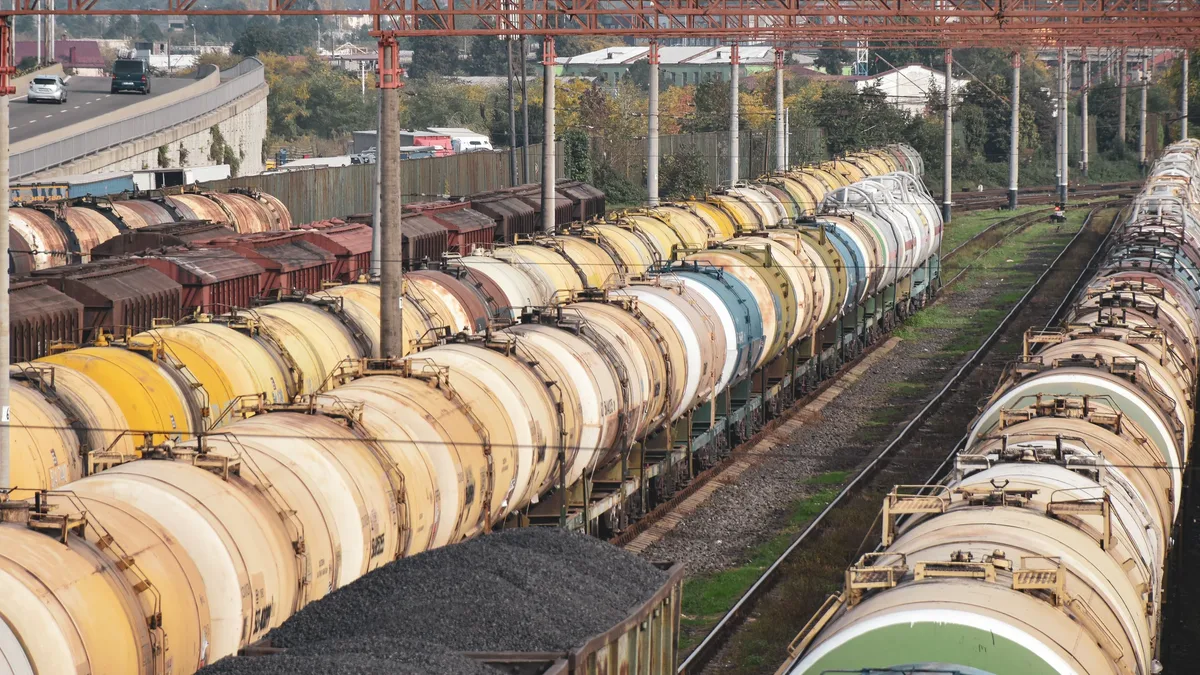
Despite rising freight volumes, North American railcar fleet planning is frozen by tariff uncertainty and a trade complaint against Mexican-built tank cars, with Trinity Industries projecting a net fleet deficit for 2025.
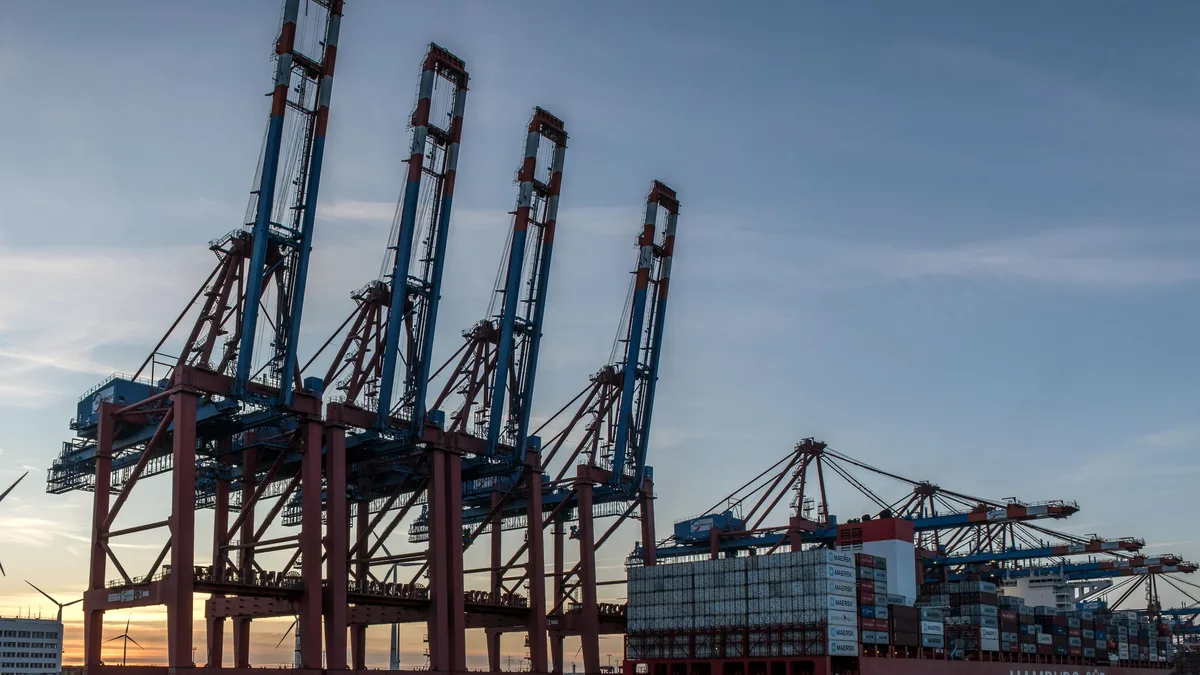
Major container shipping alliances are shifting Asia-Europe services back through the Suez Canal in October and November 2024.

President Donald Trump will tour the Peterbilt truck factory in Denton, Texas, on Thursday to highlight his administration's trade policies.

The average tariff applied by WTO members on a most-favoured-nation basis has dropped 32% since 1996, from 13.1% to 8.9%.

Companies are delaying major capacity investments and prioritizing resilience over low-cost models, according to a site selection expert.
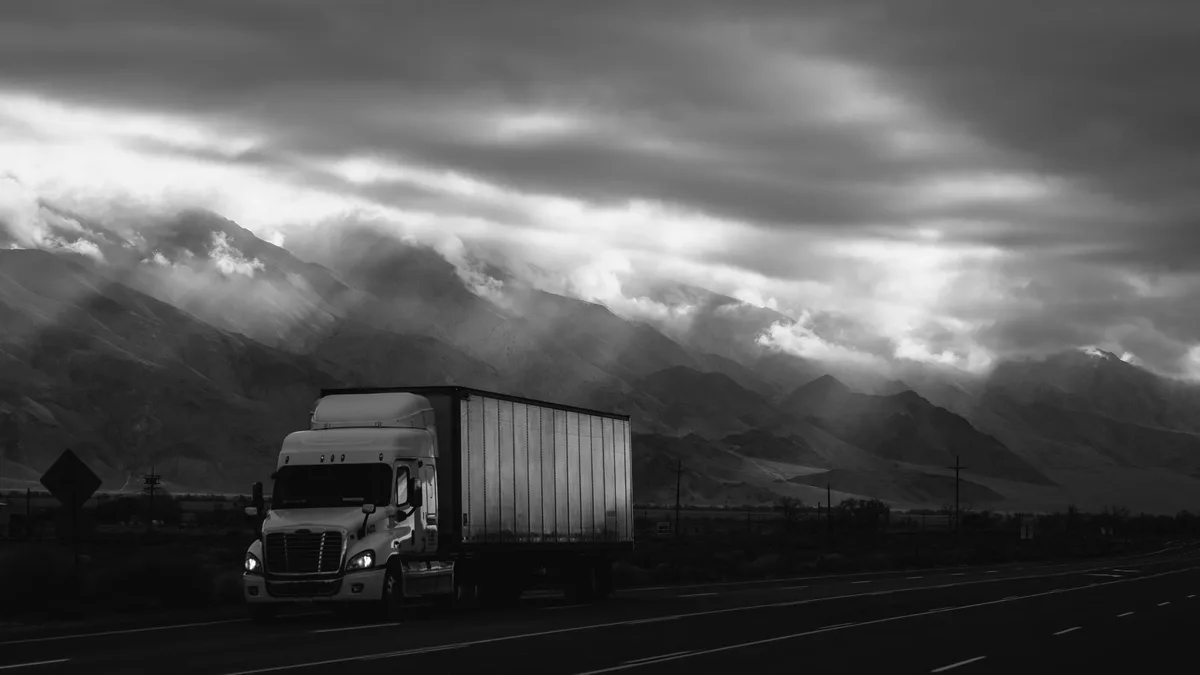
The Federal Motor Carrier Safety Administration has granted a nationwide waiver suspending standard Hours of Service rules for drivers transporting motor fuels.

Tesla's head of Semi, Dan Priestley, announced the company will begin European demonstrations in the first half of 2027.

California and the Federal Motor Carrier Safety Administration argued before a federal appeals court.
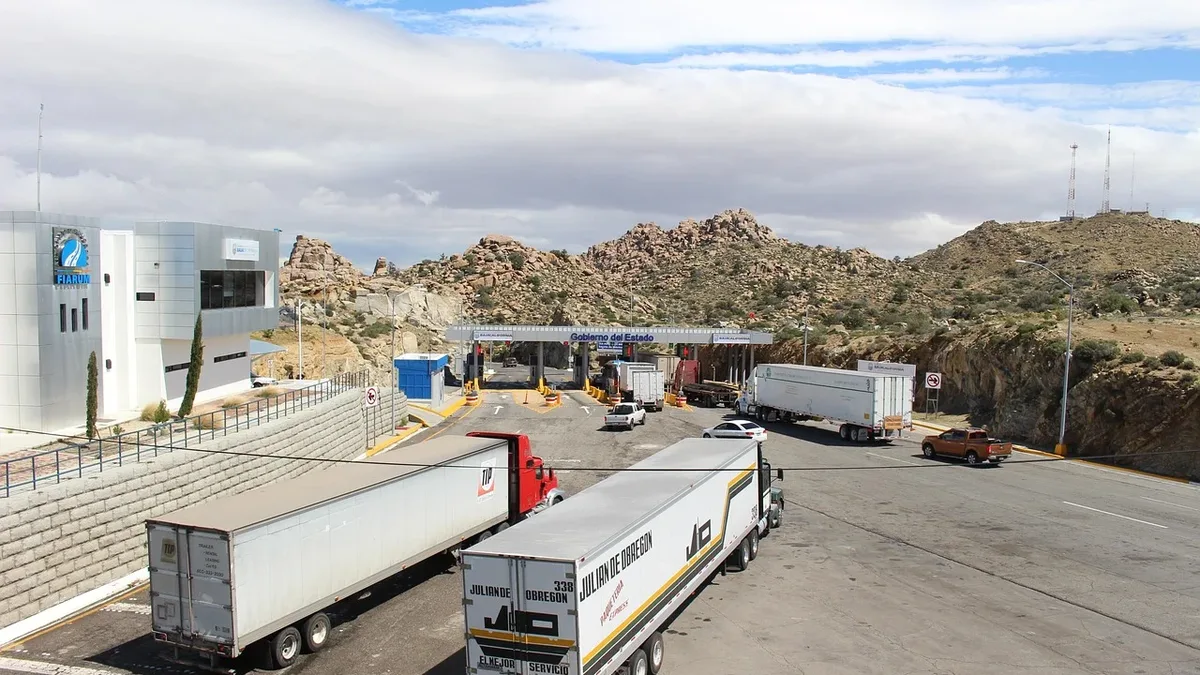
Truckload freight volumes dropped nearly 15% on September 9, but spot rates remained raise at $3.44 per mile, up 47% year-over-year.

New U.S. Proclamations will ban select Canadian imports like certain beverages and motorcycles starting September 2026, shifting from a 50% duty.

Canada has imposed tariffs of up to 50% on nearly $20 billion worth of US imports, escalating a trade dispute.
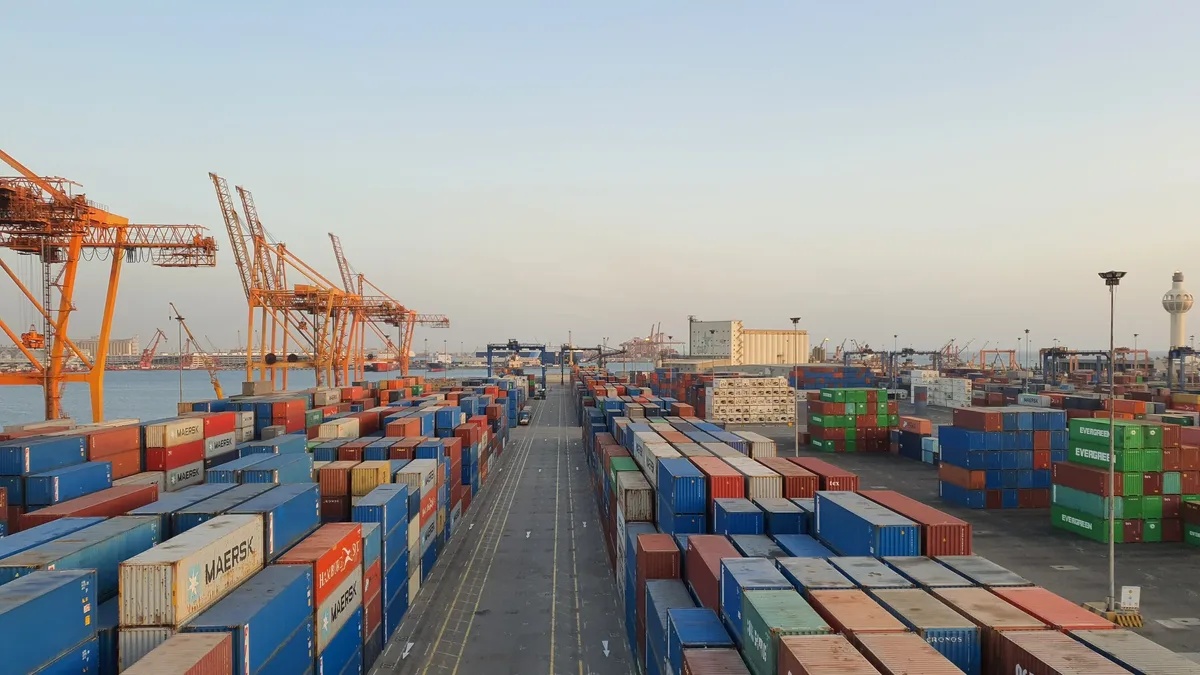
A convergence of peak season demand, industrial AI shipments, and driver shortages is straining US drayage capacity.
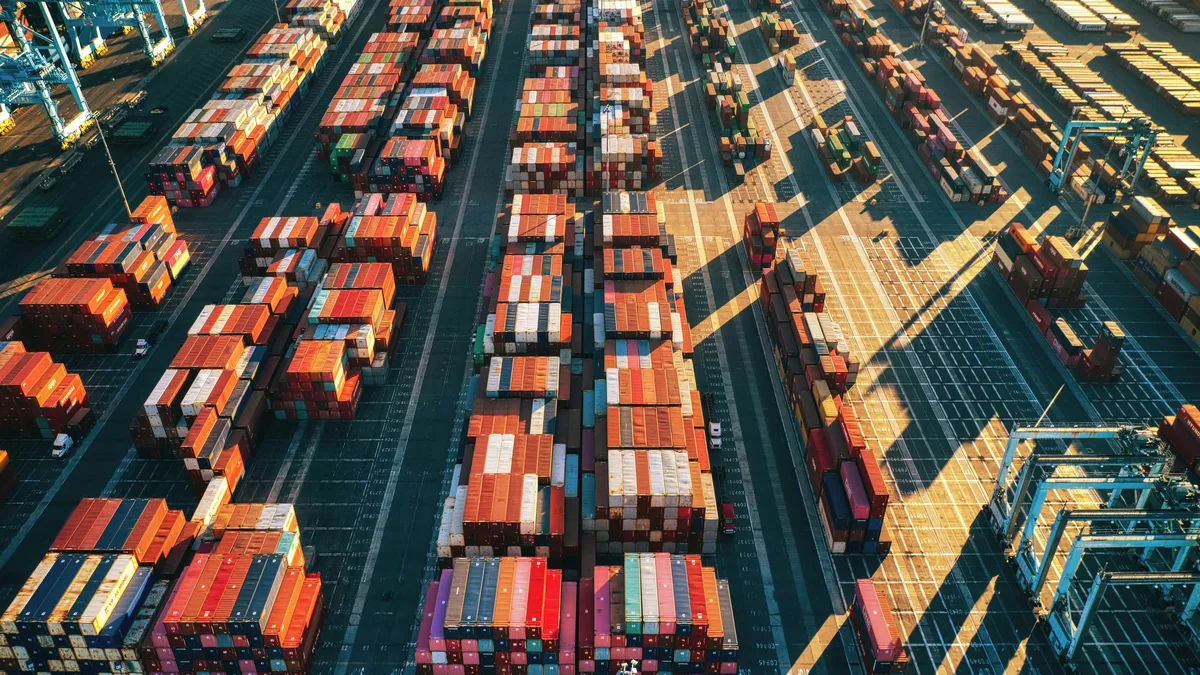
Container spot rates to the US surged due to late peak season demand and carrier capacity management.

WiseTech Global CEO Zubin Appoo details plans to evolve CargoWise from a system of record into an AI-driven 'system of execution,' targeting labor cost savings.
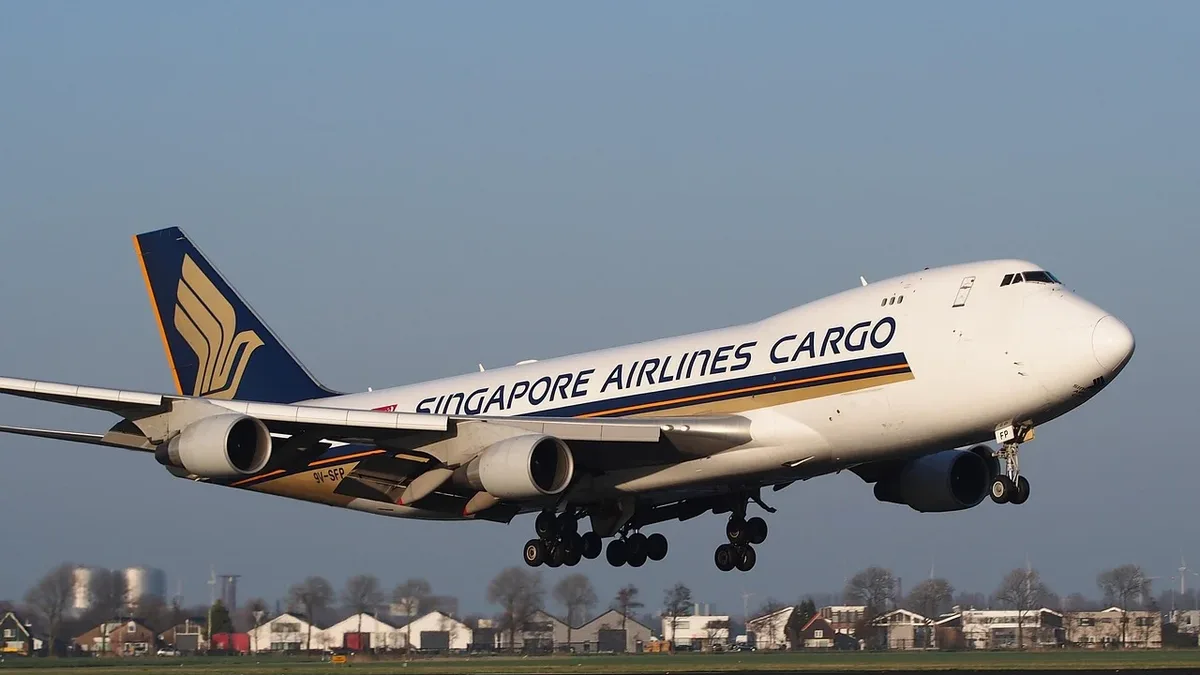
The Civil Aviation Authority of Singapore has deferred a sustainable aviation fuel levy for air cargo by one year.

Ultra-low sulfur diesel futures have reached their highest effective price on record, driven by Ukrainian strikes on Russian refineries and Middle East disruptions.

The U.S. Department of Labor has clarified that seasonal agricultural truck drivers on H-2A visas are subject to the same federal English-language proficiency rules as other commercial drivers, with new guidance affecting labor certification applications.

At the 2026 NADBank Summit, experts argued that deeper U.S.-Mexico-Canada integration is essential to compete globally.