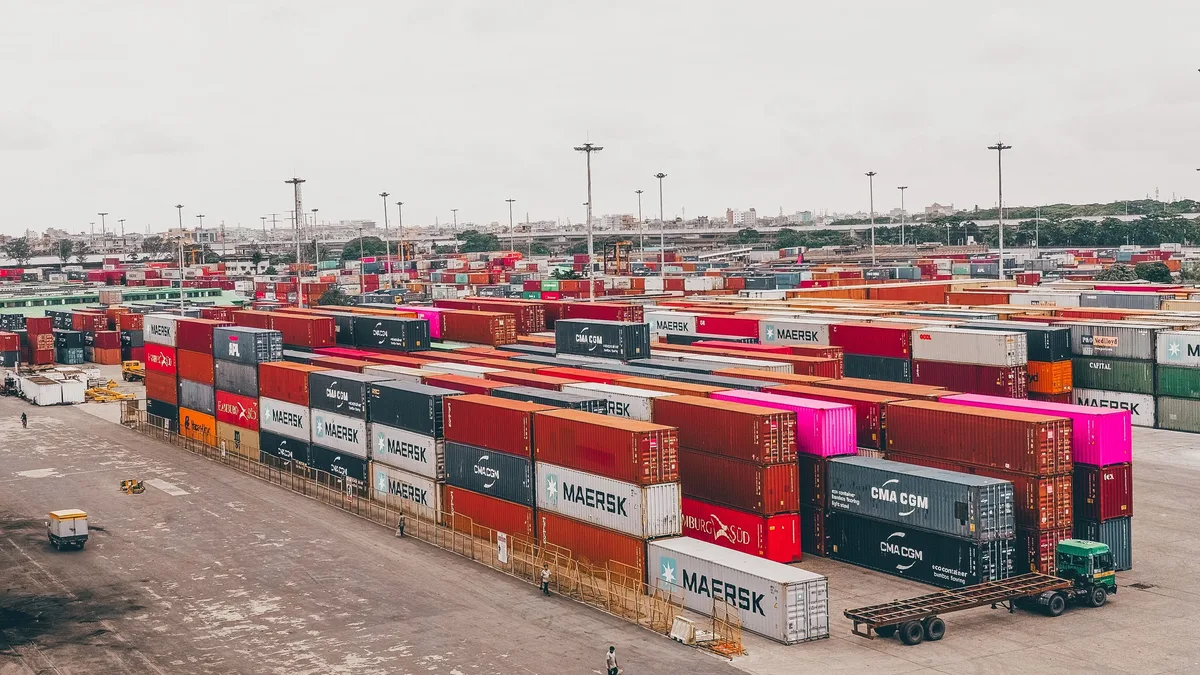
Bangladesh garment sector faces major disruption as workers demand higher wages
Violent protests over wages have forced over 500 Bangladeshi garment factories to suspend operations, affecting nearly one million workers and threatening export orders during the peak production season.
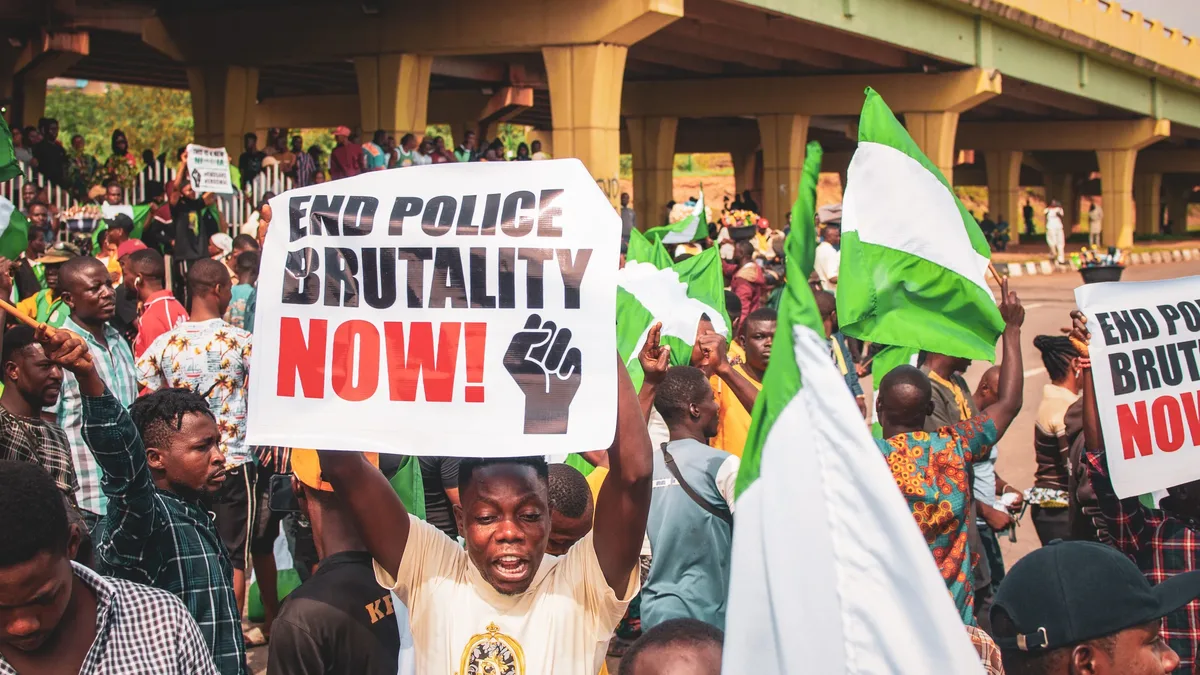
Over 500 factories across key industrial zones have suspended operations, affecting nearly 1 million workers. The disruption stems from violent protests where workers are demanding a minimum monthly wage of 30,000 taka, a sharp increase from the current 12,500 taka. A government-appointed six-member wage board is now reviewing the request.
Clashes with police, involving tear gas and water cannon, road blockades, and vandalism have forced widespread shutdowns. According to industry data, 679 factories halted production. The breakdown of affected factories and workers is as follows:
| Region | Factories Affected | Workers Affected |
|---|---|---|
| Gazipur and Mymensingh | 276 | 645,360 |
| Savar, Ashulia and Jirani | 185 | 290,205 |
| Mirpur (Dhaka) | 68 | 51,625 |
Fresh clashes occurred in Dhaka, Ashulia, and Gazipur on Monday after factories briefly resumed operations. Police reported 30 people were detained, a police vehicle was set on fire, and protesters torched a factory security booth. Factory owners reported between 20 and 25 factories were vandalised during the unrest.
Wage demands and board review
Workers are demanding a minimum monthly wage of Tk 30,000 ($245), up from the Tk 12,500 rate set in December 2023. They are also calling for an end to blacklisting and the reinstatement of dismissed workers. The government formed a six-member minimum wage board on November 1, headed by Senior District and Sessions Judge Sheikh Ashfaqur Rahman. The board comprises two worker representatives, two employer representatives, one government representative, and one neutral member.
Its task is to review wages in the garment sector and recommend revised pay rates. A formal review is due in December 2026 under the Bangladesh Labour Act. Labour and Employment Minister Ariful Haque Choudhury announced the wage board and urged workers to resume work. Manufacturers, however, argue the 30,000-taka demand is not feasible. Industry representatives state they face higher production costs, energy market uncertainty, and slowing global demand.
Economic and global impact
The ready-made garment sector accounts for more than 80 per cent of Bangladesh's export earnings and contributes about 10% of the country's gross domestic product. As the world's second-largest garment exporter after China, Bangladesh supplies key global brands including H&M, Zara, Walmart, and Primark. The current disruption affects an estimated 40% of annual export orders during the critical peak season from November to February.
The industry employs around four million people. The BGMEA and BKMEA manufacturers' associations have warned that continued unrest could force factories to suspend operations for longer. BGMEA President Mahmud Hasan Khan Babu stated manufacturers are finding it difficult to keep factories operating amid repeated disruptions. Labour and Employment Minister Ariful Haque Choudhury warned that prolonged disruption could delay export shipments and payments, raising concerns over buyer confidence during spring and summer export order cycles.
Economist Selim Raihan noted that a substantial wage increase could weaken Bangladesh's price competitiveness in the global market. Meanwhile, Home Affairs Minister Salahuddin Ahmed warned of robust action against those destabilising the country. The wage board's recommendation, expected by December 2026, will determine the sector's future competitiveness and stability.