Truckload Volumes Fall 15% as Spot Rates Hold Strong
Truckload freight volumes dropped nearly 15% on September 9, but spot rates remained raise at $3.44 per mile, up 47% year-over-year.
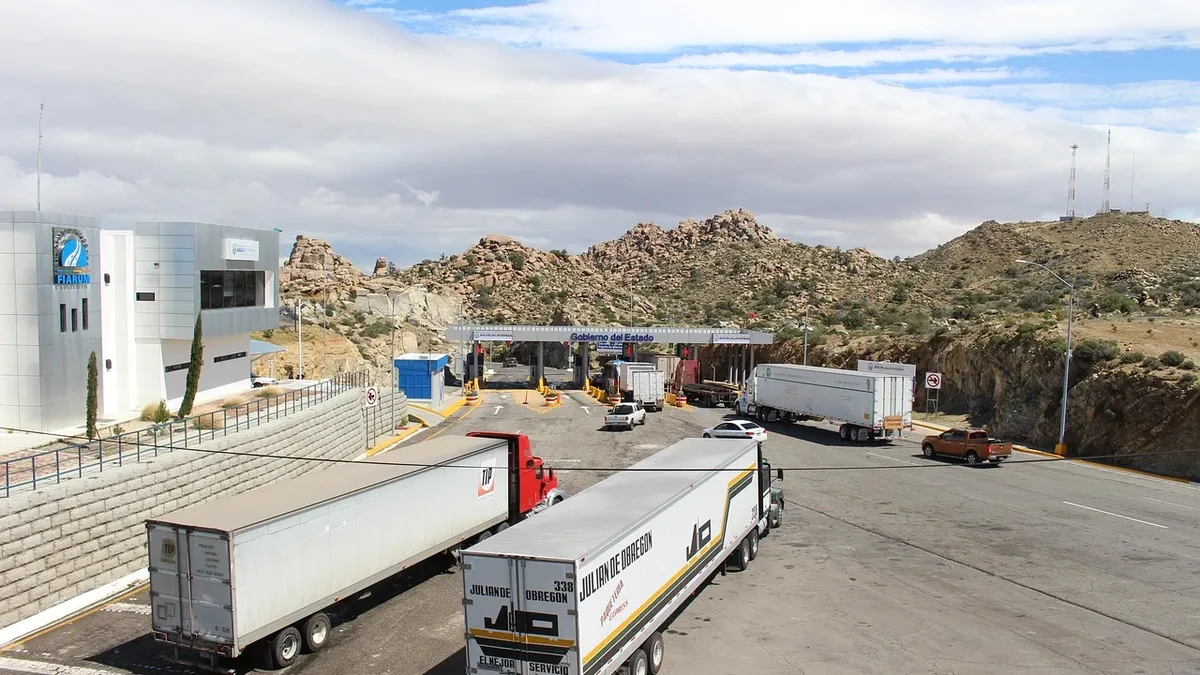
Truckload volumes fell nearly 15% on Wednesday, September 9, according to FreightWaves' Sonar Truckload Volume Index. Despite the post-Labor Day drop, spot rates have not followed suit, remaining sharply higher than last year.
Julie Van de Kamp, in a Wednesday Sonar market update, reported the National Truckload Index spot rate benchmark at $3.44 per mile. That figure is up about half a percent for the day and 47% higher than the rate recorded a year ago. The daily spot rate index had spiked to $3.57 on September 6 before pulling back.
Tender Rejections and Equipment Divergence
Tender rejections eased slightly but stayed raise. The Sonar Tender Rejection Index for the U.S. Fell about 3.2% to just above 14%. The data reveals a significant split between equipment types.
| Equipment Type | Tender Rejection Rate |
|---|---|
| Van | 12.35% |
| Flatbed | Just under 19% |
| Reefer | Above 20% |
Reefer rejections remain nearly 10 percentage points above van. "Regardless of both rejections and volumes falling a bit, rates have continued to remain raise," Van de Kamp said.
Fuel and Intermodal Pressure
Rising fuel costs are adding pressure across transportation modes. The Department of Energy's national average diesel price hit $5.60 per gallon, a jump of nearly 10% over the prior week.
This cost environment is influencing rate structures and mode choices. Van contract linehaul rates held steady at $2.72 per mile, while the all-in reefer spot rate climbed to $3.84 per mile. A notable move came in intermodal, where contract rates jumped 3.5% to $1.80 per mile. FreightWaves notes this was the largest single-day increase in its dataset.
Broader Logistics and Ocean Context
Macro indicators show the high-rate environment. The Logistics Managers' Index showed a transportation prices subindex at 90, approximately 4% above the prior month. Transportation utilization registered 70.6, while inventory levels were at 52.8, above the expansion threshold but down year-over-year.
Ocean freight adds another layer of complexity. The Inbound Ocean Trade Index rose 1.3% to $1,942, with transpacific spot rates near $9,500. FreightWaves attributes this to Middle East port congestion and rising fuel costs. Inbound ocean shipments increased by 1.5%.
Van de Kamp highlighted several longer-term variables to watch. These include ongoing tariff negotiations with Canada, the European Union, and Mexico. Potential supply disruptions tied to Russian refinery capacity and its effect on global diesel availability were also noted.
"The main story is volumes have seemed to decline a bit, rejections have remained relatively steady, but spot rates have remained really strong," she said. A clearer picture of post-holiday volumes was expected to emerge by early the following week.