US Importers Face Risks in DDP Shipping Arrangements
A logistics firm warns US importers of rising compliance risks under 'delivered duty-paid' shipping, while the WTO Director-General calls for leveraging trade to build a sustainable ocean economy.
Two separate developments highlight different facets of global trade policy and practice. US importers are being cautioned about the risks of outsourcing customs formalities to foreign sellers under certain shipping terms. Meanwhile, the head of the World Trade Organization has outlined how trade tools and partnerships can support a resilient ocean economy.
DDP Shipping Risks
US importers using 'delivered duty-paid' shipping arrangements face increasing compliance and financial risks as Customs and Border Protection intensifies scrutiny of foreign importers of record. Nunzio De Filippis, co-CEO of CargoTrans, and Rennie Alston, its director of trade compliance, warn that US buyers could face penalties, shipment seizures, and refused entries even when their firm is not named as the importer of record.
The executives stated that a post-Liberation Day rush towards DDP arrangements is beginning to reverse as importers reconsider the risks of handing control of customs formalities to overseas suppliers. Under DDP, sellers assume responsibility for import clearance and associated duties. However, Alston warned that US consignees and order parties still have culpability if they instigated the transaction. CBP is increasingly investigating whether DDP arrangements are being used to avoid tariffs, particularly where foreign sellers or intermediary platforms act as non-resident importers of record.
De Filippis said some US buyers have reported shipments being refused entry, seized, or ordered for re-export. Consequences could extend beyond the overseas seller, with US buyers potentially facing penalties linked to their import bonds. CargoTrans suggests companies reconsider whether DDP remains appropriate, potentially switching to 'delivered at place' arrangements to retain control. For businesses continuing with DDP, the firm recommends demanding greater transparency from suppliers, including access to customs declarations and transaction documents.
Alston also highlighted US record-keeping requirements, warning buyers cannot claim ignorance of what was declared on their behalf. He raised concerns about the growing volume of CBP requests for information, known as CF28s, and urged importers to investigate records thoroughly before responding. Companies should avoid rushing to meet the standard 20-day response deadline without first checking information internally. A discrepancy between supplier documentation and the original customs declaration could create additional exposure.
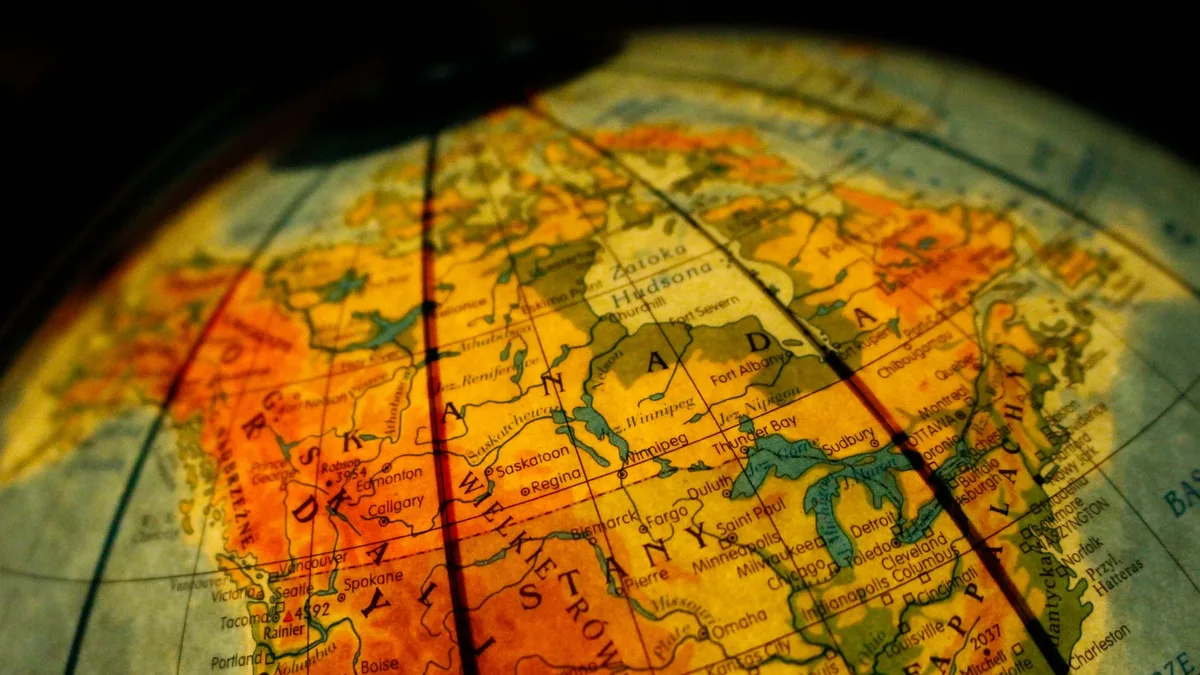
CargoTrans also highlighted several immediate tariff developments. Revisions to US Section 338 tariff coverage for Canadian goods took effect on 30 October, removing 22 tariff classifications from an additional 50% duty while adding 100 others. Also, 178 China-related Section 301 product exclusions are scheduled to expire on 9 November, potentially exposing affected imports to additional duties.
WTO on Ocean Economy
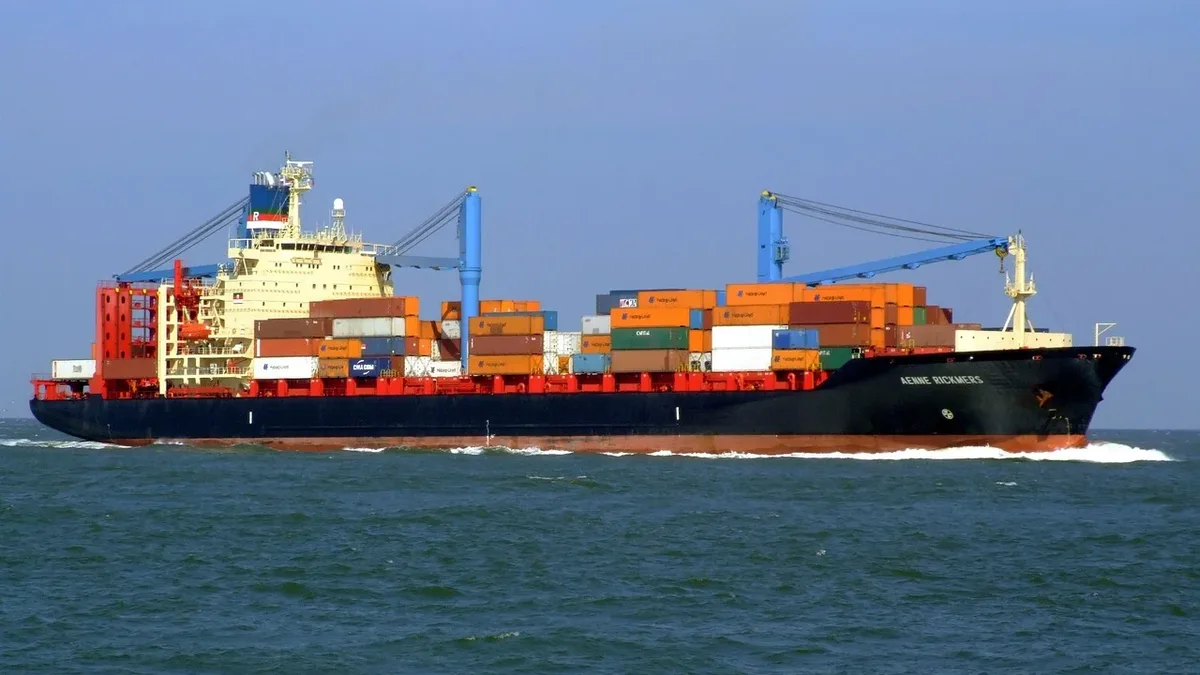
World Trade Organization Director-General Ngozi Okonjo-Iweala stated that trade and partnerships must be leveraged to build a resilient ocean economy. She noted the ocean economy is valued at $2.6 trillion and supports around 133 million jobs, while more than 80% of globally traded goods travel by sea.
Okonjo-Iweala argued there is no trade-off between prosperity and sustainability, warning that the decline in marine biodiversity threatens the trade, food security, and livelihoods that depend on it. She pointed out that, despite current geopolitical turbulence, 72 percent of world goods trade still takes place on WTO most-favoured-nation terms. She stressed the multilateral trading system has delivered for sustainable ocean development, notably through the WTO Agreement on Fisheries Subsidies.
That agreement, which entered into force in September 2025, is the first WTO agreement with environmental sustainability. It prohibits subsidies to illegal, unreported and unregulated fishing, fishing of overfished stocks, and fishing on the unregulated high seas. She urged members to complete the remaining negotiations on fisheries subsidies, known as "Fish 2," to further enhance the disciplines of the agreement.
The Director-General also pointed to the importance of helping island and coastal economies move up the value chain in the ocean economy by improving access to technology, skills, infrastructure, and finance. She stated that trade already offers tools for this development, including the WTO Trade Facilitation Agreement, which supports rapid cross-border trade of perishable goods, and the WTO Dialogue on Plastics Pollution. She highlighted the importance of partnerships, such as the Geneva Nexus, an informal knowledge-sharing group established by the Permanent Mission of Portugal and other missions in June 2026, focused on ocean governance, trade, biodiversity, health, and food security.