China's Auto Export Boom Strains Global Shipping Capacity
Surging Chinese vehicle exports are causing a shortage of specialized car-carrier capacity, according to Wallenius Wilhelmsen CEO Lasse Kristoffersen
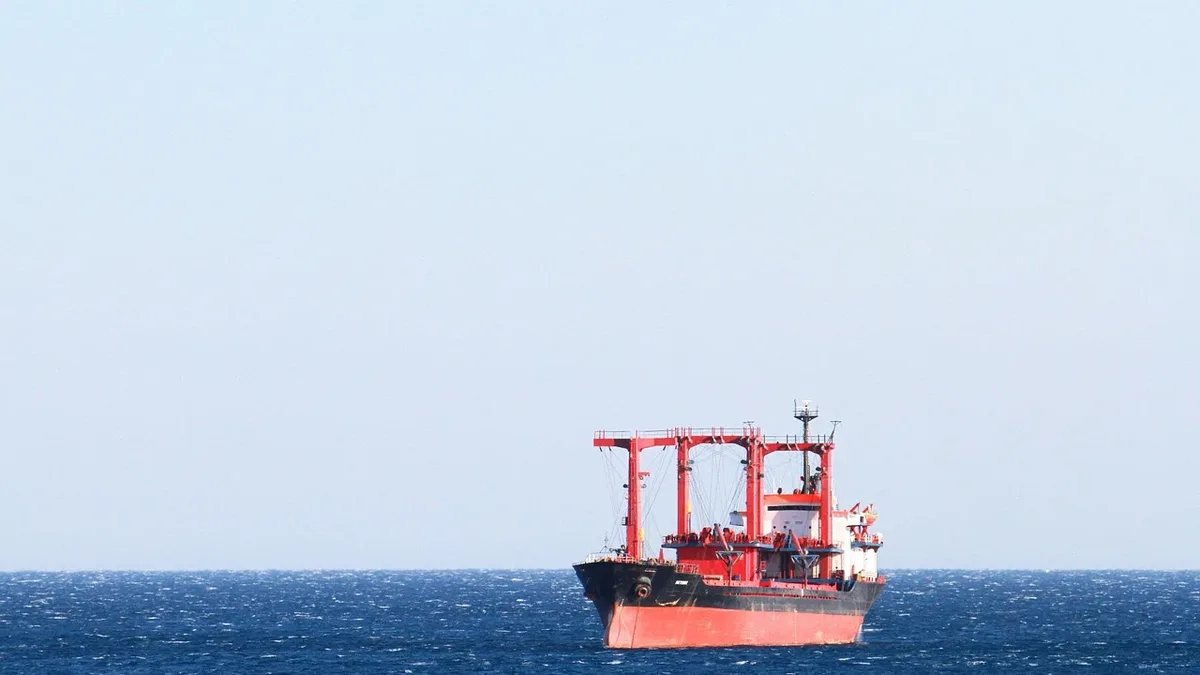
The growth of China's auto exports is putting a strain on global auto shipping capacity. Wallenius Wilhelmsen Chief Executive Lasse Kristoffersen stated that the company's fleet departing Asia was fully booked, and they had to prioritize customers due to high demand.
Market Trends
Chinese vehicle exports have exceeded 1 million units in both June and July, with an annualized pace of over 12 million vehicles. This is a significant increase from pre-Covid-19 pandemic levels, when Chinese vehicle exports were fewer than 1 million units. Kristoffersen attributed this growth to improving product competitiveness, rather than a temporary effort to clear excess inventory.
According to Kristoffersen, Chinese-made vehicles are becoming increasingly competitive in terms of technology, functionality, quality, design, and price. He also noted that there is no indication that Chinese automakers are flooding overseas markets with unsold inventory, as vehicle-registration data and activity at Wallenius Wilhelmsen's inland facilities did not show evidence of mounting stockpiles.
Shipping Capacity
A large volume of Chinese vehicle exports is being shipped outside the traditional roll-on/roll-off shipping market due to limited car-carrier capacity. Kristoffersen estimated that 2-4 million vehicles are being shipped in containers or through other alternatives annually, with the actual figure likely closer to the high end of that range.
This volume represents potential demand for PCTC operators if additional ships become available. The PCTC orderbook currently stands at around 20-21% of the existing global fleet, but Kristoffersen noted that shipyard capacity is largely committed through 2029, meaning new vessels will not be delivered until 2030 or later.
Fleet Growth and Rates
The global fleet faces potential retirements as older vessels approach 30 years of age, which could offset deliveries and limit net capacity growth. The tight market has driven a sharp increase in China-linked spot and charter rates, with Kristoffersen reporting an 80% increase in spot freight rates and time-charter rates during the second quarter.
The following table compares the growth of Chinese vehicle exports and the PCTC orderbook:
| Category | Pre-Pandemic | Current |
|---|---|---|
| Chinese Vehicle Exports | fewer than 1 million | over 12 million |
| PCTC Orderbook | not specified | 20-21% of global fleet |
Wallenius Wilhelmsen reported adjusted earnings before interest, taxes, depreciation, and amortization (EBITDA) of $361 million for the second quarter, down 7% from the prior quarter. The company maintained its forecast for about $1.6 billion in adjusted EBITDA for 2026 and announced a total first-half dividend of $258 million.