Panama Canal postpones draft restriction for neopanamax
The Panama Canal Authority has delayed a planned reduction in the maximum draft for vessels using its neopanamax locks, maintaining the current 14.63-meter
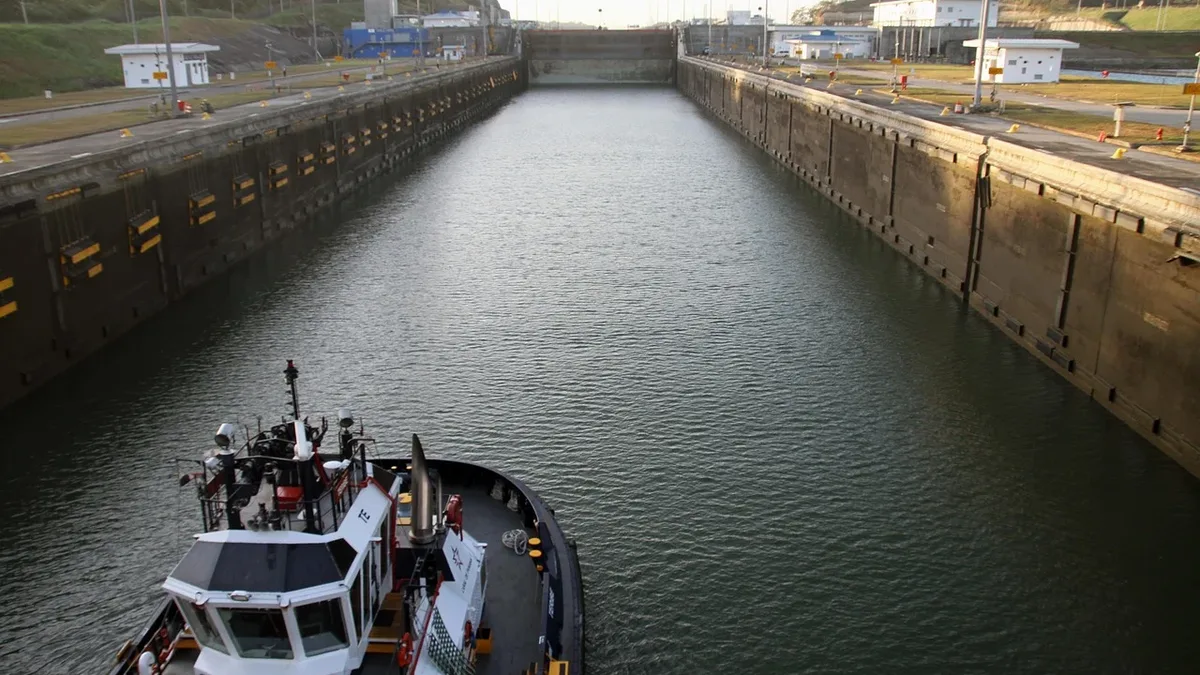
The Panama Canal Authority has postponed a scheduled reduction in the maximum authorized draft for ships using its neopanamax locks. The current limit of 14.63 meters, or 48 feet, will remain in place.
A planned cut to 47.5 feet, which was set to begin on October 1, has been delayed. The waterway's latest review of Gatun Lake levels and weather projections prompted the reversal. Initial concerns over drought and severe El Nino effects had driven the earlier decision to impose stricter draft limits.
Water supply and shipping impact
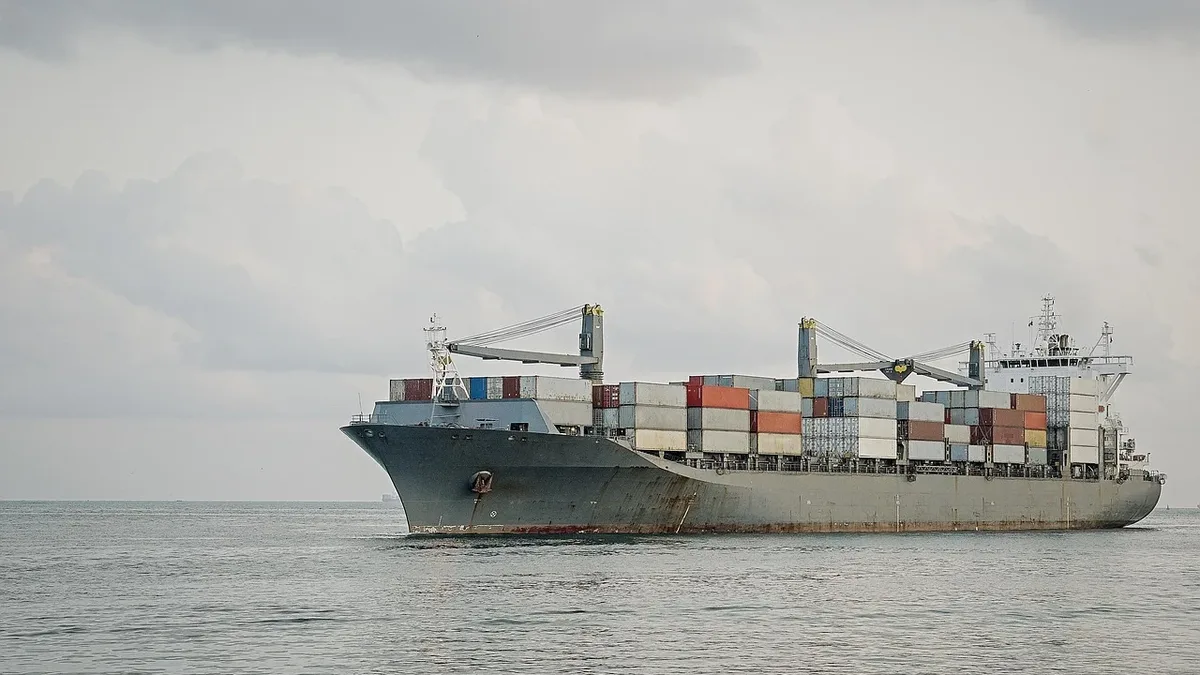
Gatun Lake supplies drinking water for civilian services in addition to fueling canal operations. Shallower draft restrictions would have forced the largest container vessels to transit at less than full capacity. This could have disrupted vessel rotations, port operations, and overall network fluidity. The authority noted that reduced post-peak season traffic on the trans-Pacific route might also help alleviate water supply pressures.
The postponement means shipping customers can continue operating under the existing 48-foot draft without immediate changes to voyage planning or vessel deployment. Canal officials stated they will continue to evaluate water conditions and will provide advance notice of any future changes affecting draft requirements.
Strategic route for naval vessels
The Panama Canal is a critical transit route for U.S. Naval forces. The largest warships using the waterway include neopanamax Wasp-class amphibious vessels and America-class "big deck" amphibious assault ships. Maintaining the current draft limit ensures these military assets retain unimpeded access through the canal's newer locks.
Operational continuity
The decision provides temporary stability for global shipping lines. It avoids the immediate operational and economic complications associated with forcing mega-container ships to lighten their loads. The canal's management balances the competing demands of maritime commerce and regional water security. Their ongoing assessment will determine if and when draft restrictions become necessary later in the year.
The authority's announcement focuses solely on operational parameters, offering no new long-term forecasts for Gatun Lake levels. Shipping analysts will monitor seasonal rainfall patterns closely. The final paragraphs of the FreightWaves report were promotional material for unrelated industry events.