UK container volume growth driven by London Gateway expansion, not EU ETS avoidance
UK port container volumes grew by 600,000 teu in 2025, with London Gateway's new capacity and shipping alliance shifts cited as the primary drivers, challenging claims that growth stemmed from shippers avoiding EU carbon charges.
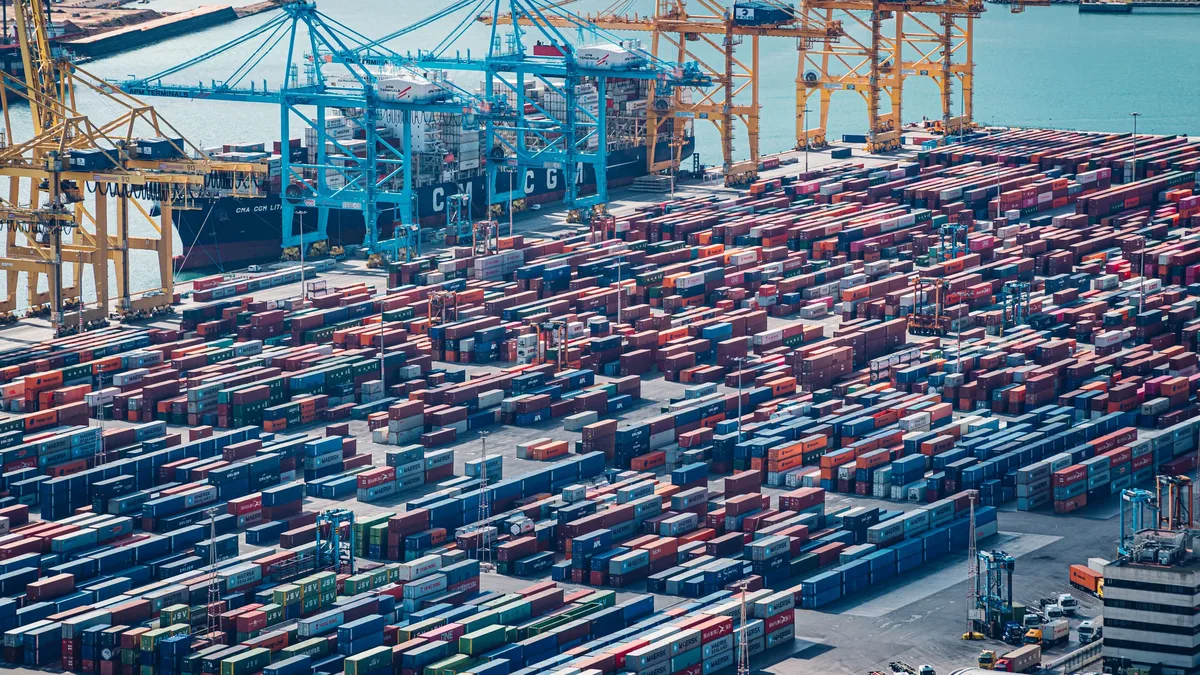
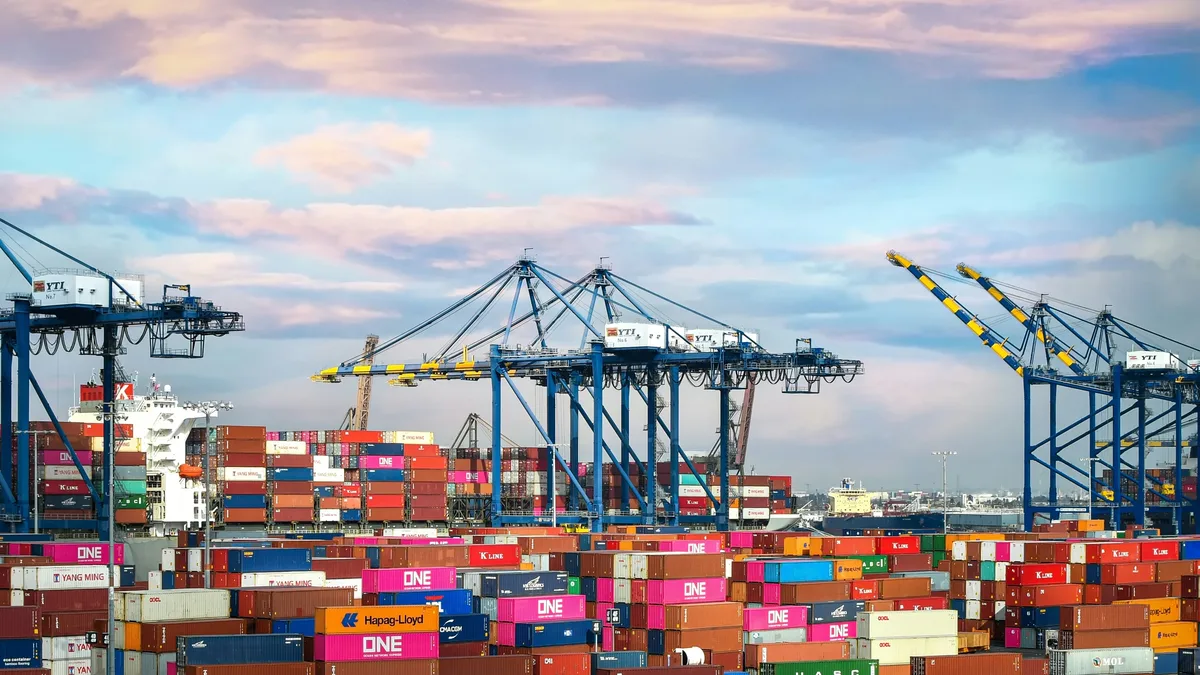
UK port container volume growth in 2025 was driven by new capacity and shipping alliance restructuring, not by shippers avoiding the EU Emissions Trading System. National container volumes increased by 600,000 teu, with around 85% of the rise concentrated in London, largely due to new capacity at London Gateway.
London Gateway expansion and alliance shifts key to growth
Official data shows the UK's container throughput grew by 600,000 twenty-foot equivalent units last year. Of that national increase, approximately 500,000 additional units were handled in London. The UK Department for Transport explicitly links this surge to additional capacity at the London Gateway port.
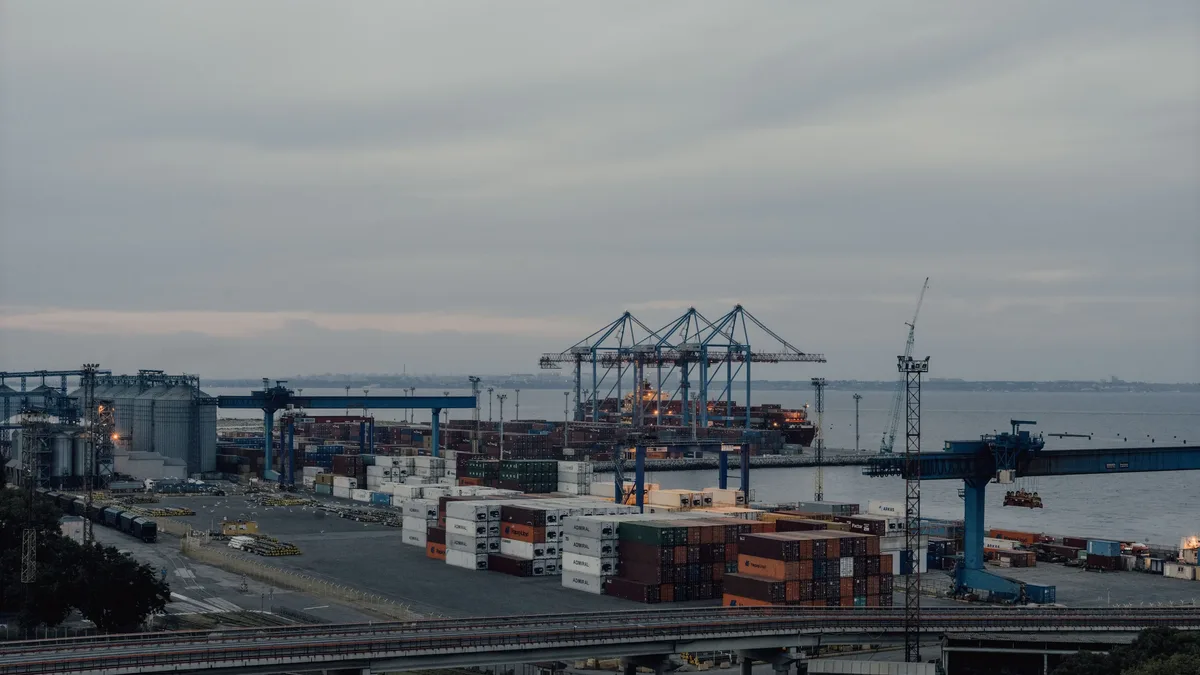
London Gateway's owner, DP World, reported the port's 2025 throughput rose over 52% year-on-year to just over 3 million teu. This growth followed the opening of a new £350 million berth at the facility in late 2024. In contrast, the UK's largest container port, Felixstowe, handled 3.6 million teu, a flat performance compared to 2024.
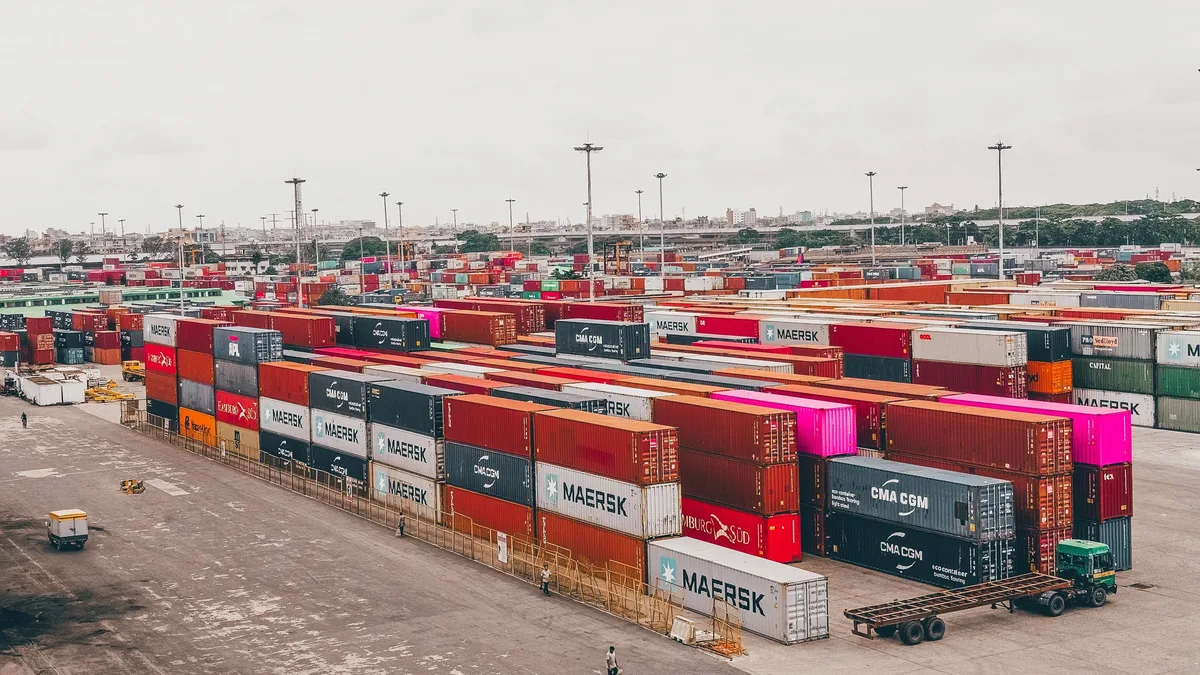
A chief driver of the shift was the reorganization of deep-sea shipping alliances at the start of the year. One major effect was the switch of carrier Maersk from Felixstowe to London Gateway, which became the Gemini Cooperation's primary UK port for Asia-Europe services. The British Ports Association states the national throughput increase aligned precisely with new port capacity becoming available.
BPA rejects EU ETS as main cause of UK port growth
The British Ports Association has forcefully challenged claims that the EU Emissions Trading System is diverting container shipping from continental Europe to Britain. It argues that 2025's volume growth was caused by structural factors: long-planned investment, increased capacity, and carrier-network restructuring.
Mark Simmonds, director of Policy & External Affairs at the BPA, warned against policies based on weak evidence. He stated that penalising British ports would risk undermining investment and competition. The BPA supports measures to reduce shipping emissions but argues climate policy must be based on robust evidence.
The association said UK connectivity gains should not be characterised as regulatory avoidance or carbon leakage without much stronger proof that the activity would otherwise have taken place at EU ports. It noted that the teu-mile metric used in some analyses is not a measure of containers handled by a port or cargo imported and exported. The BPA stated this metric is particularly sensitive to port-call sequencing and overlooks investment, actual cargo volumes, and shifts in global shipping networks.
"The overwhelming majority of national growth occurred in the port area where a major new tranche of container capacity had just become available," the British Ports Association said.
EU ETS observatory report and wider context noted
Claims about carbon leakage draw on reports from Spain's EU ETS Observatory, which suggested UK port volume growth was due to shippers avoiding EU-ETS charges. A separate report noted that EU importers with cargo on Asia-Europe vessels calling at the UK before continental Europe faced significantly lower ETS charges than if an EU port was the first call.
However, the BPA points out that major continental ports, including Rotterdam, Antwerp-Bruges, and Hamburg, also recorded growth in 2025. It argues that the UK's share of northern European container activity changes does not necessarily reflect cargo diversion. The association also notes the UK is set to introduce its own carbon charging mechanism designed to largely align with the EU system. The UK ETS Authority has proposed extending the scheme to cover 50% of emissions from international voyages from 2028, mirroring the present EU approach.
The BPA urges the UK Government and European Commission to reconsider data before introducing measures that could damage port competitiveness on both sides of the Channel.