CINS urges mandatory dangerous goods label
The Cargo Incidents Notification System calls for urgent reform of IMO Special Provision 188, demanding all lithium-ion battery shipments be declared as
The Cargo Incidents Notification System (CINS) is urging regulators to mandate that all cargo containing lithium-ion batteries be declared as dangerous goods. The industry group, whose 14 members include the world's largest container lines, made the call in a new position paper published this week, citing growing fire risks from battery shipments moving under a regulatory exemption.
CINS argues that the current exemption, known as Special Provision 188 (SP188) in the International Maritime Dangerous Goods (IMDG) Code, creates a dangerous blind spot. The provision allows certain lithium cells and batteries that meet specific testing and packaging rules to be shipped with reduced regulatory requirements. According to a separate report by consultancies Tigris and Thetius, these shipments are "less visible because they do not go through the same declaration and approval process as fully regulated dangerous goods."
The call for regulatory reform
The CINS paper states that SP188 was originally designed to help the movement of low-risk products. However, it contends that the context has changed dramatically due to the rapid growth in both the uses and shipment volumes of lithium-ion batteries. "Limited transparency surrounding SP188 cargo is leaving maritime transport increasingly exposed to fires, explosions, and related incidents," the paper warns. It recommends moving from limited oversight towards mandatory declaration, container-level limits, and greater supply chain transparency.
CINS proposes that SP188 should be retained only as conditional relief for situations where the entire maritime transport chain has effective visibility, traceability, and control. The core recommendation is clear: all lithium-ion battery shipments, including those currently booked under the SP188 exemption, should be subject to a mandatory dangerous goods declaration. "Treating SP188 cargo as ordinary non-dangerous cargo creates an operational blind spot that can escalate into ship, terminal, and emergency response consequences," the position paper adds.
Proposing a strict weight limit
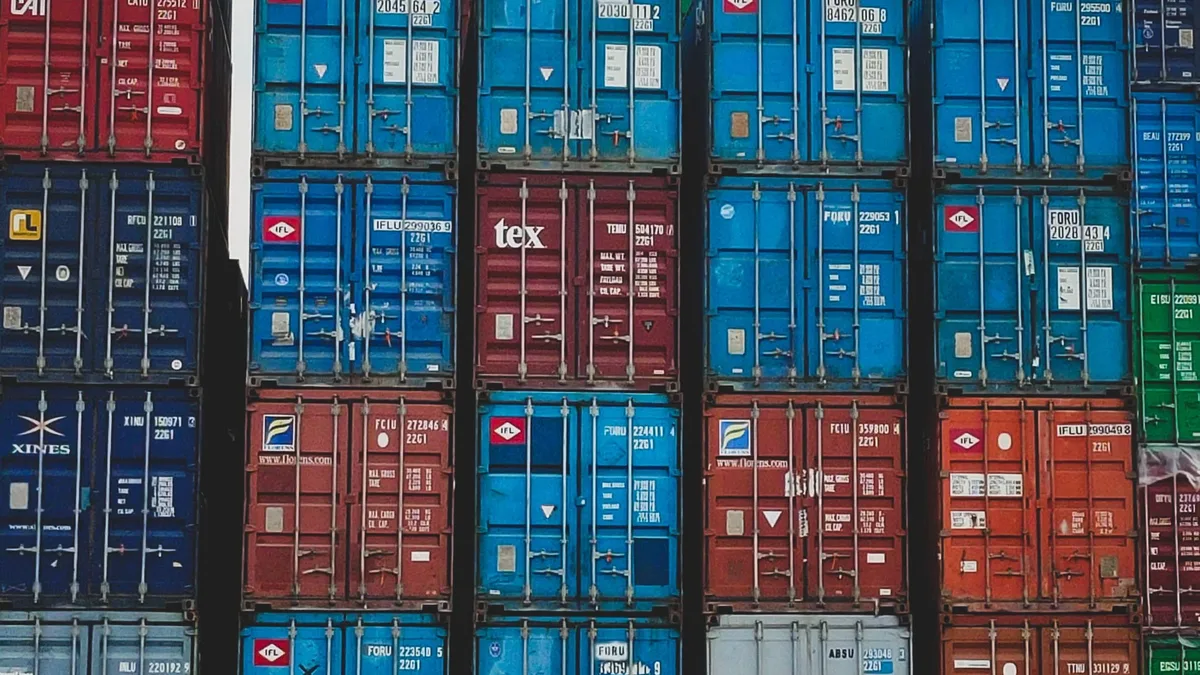
Alongside the call for universal declaration, CINS recommends establishing a strict weight threshold for any cargo still moving under an SP188 exemption. The group proposes a limit of just 20kg of lithium-ion batteries per container transport unit (CTU). For reference, the paper points to existing IMDG regulation SP 963, which limits nickel-metal hydride batteries to 100kg per CTU when declared under the dangerous goods code.
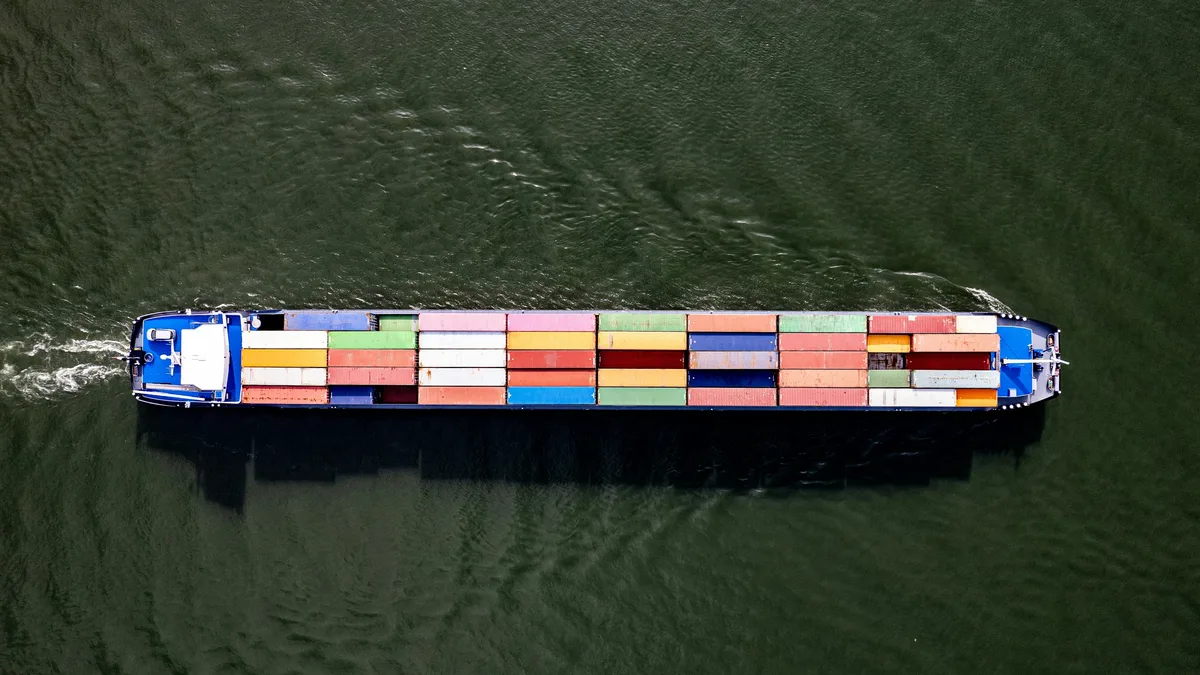
The push for reform comes against a backdrop of persistent safety incidents. CINS reports that containership fires are now occurring every 17 days. While the cause of a recent fire aboard the 8,000 teu CMA CGM Petra on August 23 remains undetermined, suspicion has fallen on potential lithium-ion battery cargo, as the vessel was operating on a service linking Asia and East Africa. The crew extinguished that blaze with no injuries.
The ubiquitous nature of the risk
The safety challenge is compounded by how common lithium-ion batteries have become in global supply chains. The Tigris and Thetius report notes that these cells are "ubiquitous," found in everything from tools and appliances to vehicles and electronics. Many of these products may appear routine in booking descriptions or under standard commodity codes, masking the potential hazard they contain.
The CINS position represents a significant escalation in the container shipping industry's approach to managing lithium-ion battery risk, shifting the focus toward stricter, universal regulation rather than relying on exemptions for supposedly lower-risk shipments.