Dangerous Goods Declaration
| Document type | Dangerous Goods Declaration |
|---|---|
| Original use | To declare hazardous materials for transport |
| First created | Mid-20th century |
| Governing regulation | Varies by transport mode (e.g., IATA, IMDG, ADR) |
| Required information | Proper shipping name, UN number, hazard class, packing group |
| Issuing party | Shipper or their authorized agent |
| Format | Standardized multi-copy form |
Origin and history
The Dangerous Goods Declaration is a standardized document originating from international maritime and air transport regulations developed in the mid-20th century. Its formalization is directly tied to the work of the United Nations, specifically through the UN Model Regulations on the Transport of Dangerous Goods. These model regulations, created by the UN Economic and Social Council's Committee of Experts, provided the foundational framework from which modal-specific rules were derived. The International Maritime Organization (IMO) incorporated these principles into the International Maritime Dangerous Goods (IMDG) Code, which mandates the use of the declaration for sea shipments. Similarly, the International Civil Aviation Organization (ICAO) and the International Air Transport Association (IATA) developed parallel requirements for air transport. The document's evolution has been continuous, with amendments made regularly to reflect new scientific understandings and newly classified hazardous materials. Its history is therefore one of international consensus-building aimed at mitigating the risks inherent in global supply chains.
What it is for
The Dangerous Goods Declaration serves as a legally required and standardized attestation detailing the hazards of specific cargo being offered for transport. Its primary function is to communicate critical safety information to all parties in the transport chain, including shippers, freight forwarders, carriers, and emergency responders. The document formally declares the proper shipping name, UN number, hazard class, packing group, quantity, and any necessary emergency response information for the declared goods. It acts as a key instrument for ensuring compliance with complex national and international transport regulations, such as the IMDG Code for sea or the IATA Dangerous Goods Regulations for air. By providing a clear, uniform summary of the hazards, it enables carriers to make informed decisions on stowage, segregation, and handling requirements aboard vessels or aircraft. Ultimately, its purpose is to prevent accidents that could lead to fire, explosion, chemical release, or other incidents that endanger lives, property, and the environment during transit.
Pros and cons
A significant pro of the Dangerous Goods Declaration is that it creates a universal language for hazard communication across global logistics networks, drastically reducing the risk of misinterpretation. It forces shippers to properly classify their goods, which is a fundamental step in applying the correct packaging, labeling, and handling procedures. The cons, however, are substantial and often stem from human error or deliberate non-compliance; incorrectly completed declarations are a frequent root cause of incidents and regulatory penalties. Shippers sometimes regret using the document when they discover their cargo's classification leads to higher freight costs, more complex packaging requirements, or outright carriage prohibitions, tempting them to omit or falsify information. A common and dangerous mistake is the "commercial description" in place of the mandated "proper shipping name," which can mislead handlers about the true nature of the hazard. Furthermore, the declaration does not, by itself, guarantee safety, as it is only as reliable as the competency and integrity of the person preparing it and the vigilance of those checking it.
Who it suits
The Dangerous Goods Declaration is a mandatory document suited exclusively for entities involved in shipping, forwarding, or transporting materials classified as dangerous under relevant regulatory codes. It is essential for manufacturers, chemical suppliers, and distributors whose products fall into one of the nine UN hazard classes. Freight forwarders and logistics providers specializing in hazardous materials logistics rely on accurate declarations to perform their services legally and safely. Airlines, shipping lines, and trucking companies require it as a condition of accepting cargo, as it forms the basis of their risk assessment and operational planning. It is also critically suited for regulatory authorities and emergency services, who use the information for enforcement, inspections, and incident response. Entities dealing solely in non-hazardous, general cargo have no use for this document, while those handling dangerous goods without it face severe legal liability and pose a significant safety risk.
Latest Dangerous Goods Declaration news
Latest reporting
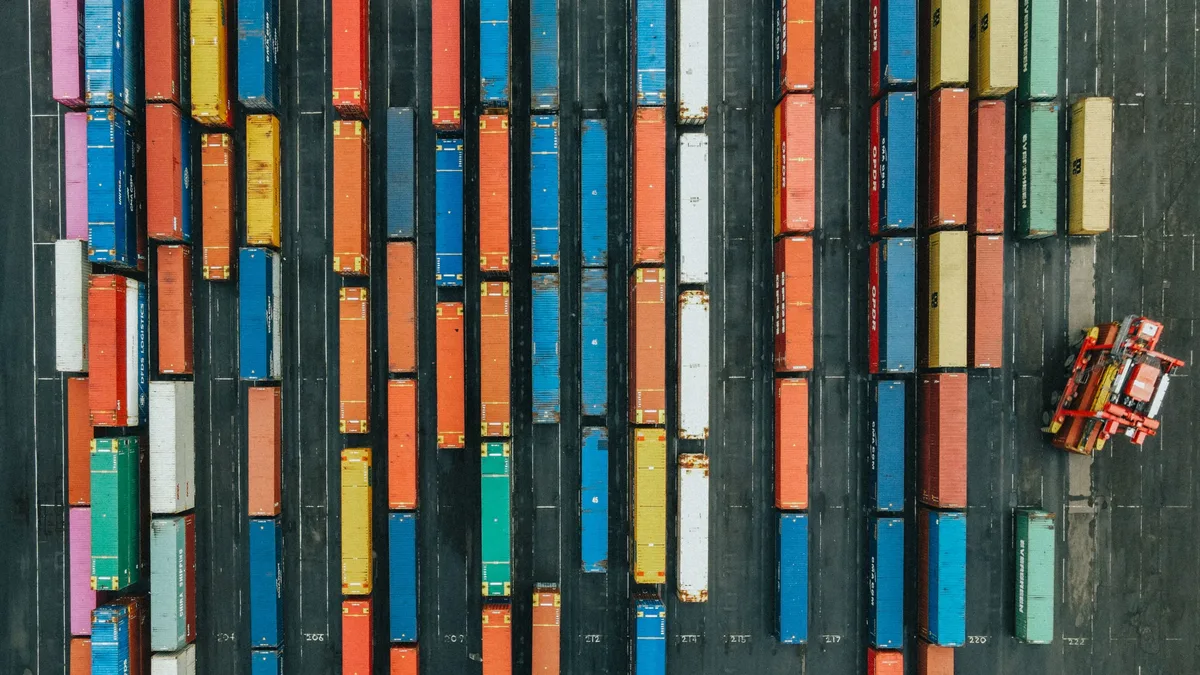
WTO Goods Barometer Shows Resilient Trade Growth
The WTO's Goods Trade Barometer reading of 102.0 indicates world merchandise trade volume is above trend and gaining momentum, driven by strong...
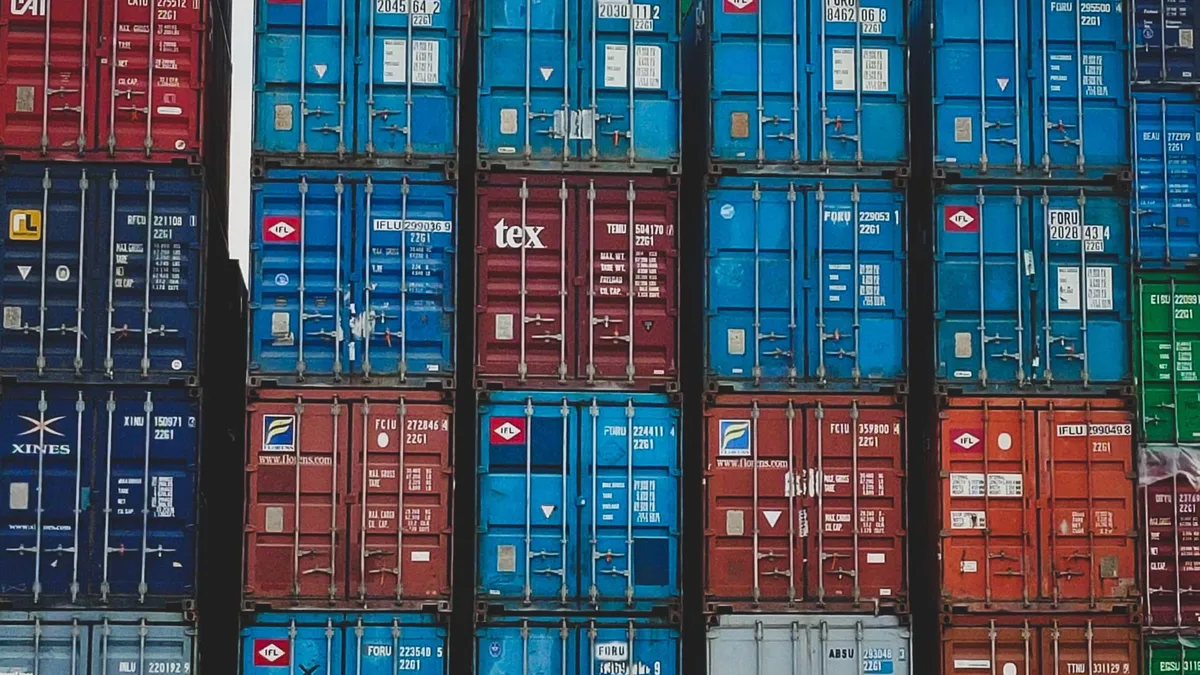
US Bans Canadian Imports, Restricts Federal Contracts
The Trump administration has escalated its trade dispute with Canada by announcing import bans on specific goods.

U.S. Targets Specific Canadian Goods with Import Bans
New U.S. Proclamations will ban select Canadian imports like certain beverages and motorcycles starting September 2026, shifting from a 50% duty.

Canada Imposes Retaliatory Tariffs on $20B in US Goods
Canada has imposed tariffs of up to 50% on nearly $20 billion worth of US imports, escalating a trade dispute.
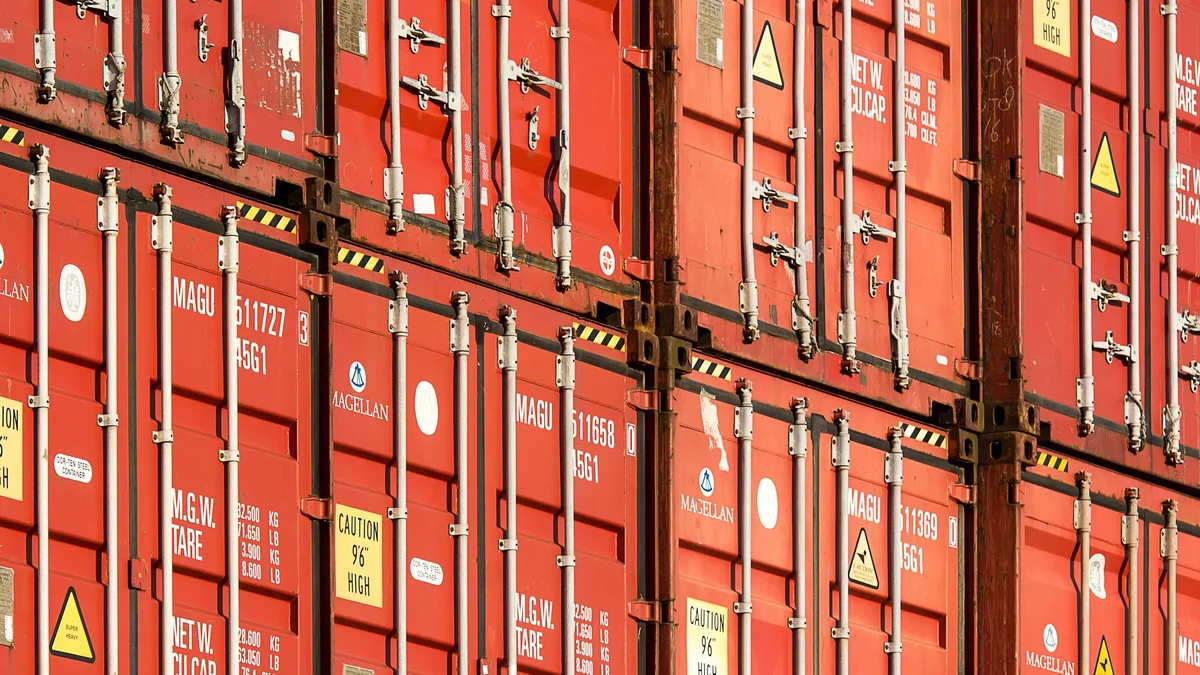
CINS urges mandatory dangerous goods label for lithium-ion batteries
The Cargo Incidents Notification System calls for urgent reform of IMO Special Provision 188.