Chinese Team Finds Rice Crossbreeding
Researchers identified genes that block crossbreeding between Asian and African rice, a finding that could lead to hybrids with yields over 10% higher.
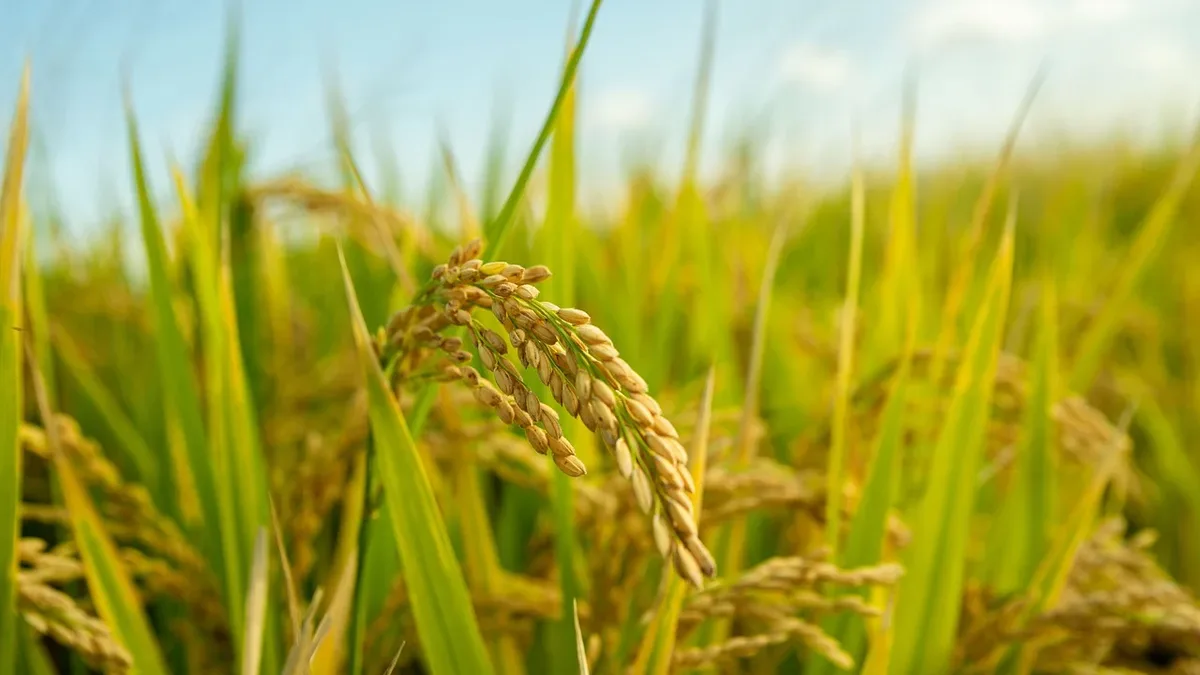
A Chinese research team has identified three specific genes that create a reproductive barrier between Asian and African cultivated rice species. The discovery, published in the journal Science on August 28, provides a genetic roadmap for potentially overcoming a major obstacle in plant breeding.
Led by Wan Jianmin at Nanjing Agricultural University's State Key Laboratory for Crop Genetics and Germplasm Enhancement and Utilisation, the team pinpointed the genetic factors that cause sterility and low yields in hybrid offspring. While both rice types have valuable traits, crossing them has historically been problematic. The researchers also highlighted a possible genetic solution to circumvent this barrier.
The Genetic Barrier to Hybridization
The study focused on the fundamental incompatibility between the two domesticated rice species. Out of the 24 species in the Oryza genus, only African and Asian rice have been domesticated for human consumption. Each possesses distinct strengths. Asian rice is known for high yields and superior eating quality, making it the global staple. African rice offers different genetic advantages, including potential resilience.
However, attempts to combine these strengths through crossbreeding typically fail. The hybrid plants often produce sterile pollen and deliver disappointingly low grain yields. This reproductive isolation has prevented breeders from creating viable commercial varieties that merge the best traits of both species. The Nanjing team's work zeroed in on the precise genetic mechanisms behind this failure.
A Theoretical Path to Higher Yields
The identification of the three barrier genes is more than a diagnostic finding. According to the official China Science Daily, it provides "an important theoretical foundation and valuable genetic resources" for breaking the species barrier. One of the study's authors told the newspaper that successfully created Asian-African hybrids could potentially increase yields by more than 10 percent compared to existing Asian hybrid rice varieties.
This potential yield boost represents a significant target for global food security efforts. The research suggests that by manipulating or circumventing the identified genes, scientists could develop new, ultra-high-yielding hybrid rice varieties. The work transforms a long-standing breeding challenge into a targeted genetic engineering problem.
The Core Scientific Discovery
Publication in Science details the specific genetic interactions that cause hybrid incompatibility. The three genes act in concert to disrupt normal development in crossbred plants, leading to sterility. Understanding this pathway is the first step toward deactivating it.
Wan Jianmin's laboratory specializes in crop genetics and germplasm utilization. Their approach combines traditional plant breeding techniques with modern genomic analysis. The discovery stems from systematically comparing the genomes of the two rice species and testing the effects of specific gene combinations.
This research lays the groundwork for future applied breeding programs. The "valuable genetic resources" mentioned refer to the specific DNA sequences and markers identified, which breeders can now use as tools. The next phase will involve using this knowledge to attempt to create fertile, high-yielding crosses in experimental fields.
The study highlights the continued importance of fundamental genetic research in addressing agricultural challenges. By mapping the precise points of reproductive failure, science opens a door that has remained largely closed to traditional breeding methods. The work in Nanjing offers a clear, gene-based strategy for a problem that has persisted for decades.