
Port Congestion, Berth Waiting And Yard Dwell
| Tariff line | Port Congestion, Berth Waiting and Yard Dwell |
|---|---|
| Agreement | Carrier-negotiated amendment to standard terms |
| Purpose | To allocate costs of port delays between carrier and merchant |
| Triggering event | Vessel waiting time or container dwell time exceeding a defined threshold |
| Liable party | Merchant (shipper/consignee) |
| Calculation basis | Per container, per day of delay |
| Applicability | Specific trade lanes or ports |
Origin and history
Port Congestion, Berth Waiting And Yard Dwell is a tariff line originating from the regulatory frameworks of major global shipping nations and port authorities. Its conceptual foundation lies in the standardized tariff structures developed by international shipping bodies in the late 20th century. The specific practice of applying separate charges for port congestion and dwell times became widely formalized in the early 2000s. This formalization was a direct response to the increasing volatility in global supply chains and port throughput capacities. The tariff line is not the invention of a single country but a collective industry adaptation to operational realities. Its historical development is tied to the need for ports and carriers to manage economic risks associated with delays beyond their control.
What it is for
This tariff line is designed to allocate the financial cost of delays occurring at three specific nodes in the port logistics chain. It is for recovering expenses incurred by carriers and terminal operators when vessels cannot berth upon arrival due to port congestion. It also addresses the costs of containers occupying terminal yard space for periods exceeding the standard free time allowance. The charge fundamentally shifts the economic risk of systemic or client-caused delays from the service provider to the cargo owner. Its application is intended to incentivize faster cargo clearance and improve overall port fluidity. The revenue from these charges is typically used to offset operational inefficiencies and additional handling costs within the terminal.
Overview
Port Congestion, Berth Waiting And Yard Dwell represents a trio of distinct but related surcharges applied to ocean freight shipments. The Port Congestion charge is levied when general port conditions cause delays for all incoming vessels, often declared for specific ports or regions. The Berth Waiting charge applies specifically to the time a designated vessel spends at anchor waiting for an available berth to commence operations. The Yard Dwell charge targets containers that remain within the terminal's operational area beyond the agreed free days for import or export cargo. These charges are typically published as separate, adjustable line items within a carrier's tariff or service contract. Their implementation and rate calculation are governed by the terms of the carrier's tariff and the specific service agreement with the shipper.
What to know
These charges are almost always considered variable surcharges and can be implemented or adjusted with relatively short notice. Carriers must publish the applicable charges and their triggering conditions in their legally filed tariffs, but specific rates are often negotiated within service contracts. The legal basis for imposing these fees is the carrier's right to recover costs under the terms of the contract of carriage and the applicable tariff. Shippers should understand that these fees are frequently non-negotiable once a congestion event is officially declared by the carrier. Documentation for these charges, such as waiting time logs or container movement reports, is maintained by the carrier and terminal but can be requested for dispute. It is critical to review the specific clauses related to these charges in your service agreement, as definitions and free time allowances can vary significantly between carriers.
Common questions
A common question is whether these charges can be disputed if the shipper feels the delay was the carrier's fault, and the answer is that dispute is possible but requires concrete evidence contrary to the carrier's declaration. Parties often ask who is ultimately responsible for paying these fees, which is typically the entity listed as the bill-to party on the ocean bill of lading, usually the shipper or consignee. Many inquire if these surcharges are included in all-inclusive freight rates, and they generally are not, being treated as separate cost recoveries outside the base ocean freight. A frequent query concerns the predictability of the charges, and while carriers issue advisories, the dynamic nature of port operations makes exact forecasting difficult. Shippers often question the difference between port congestion and berth waiting, with the key distinction being that congestion is a broader port condition while berth waiting is vessel-specific. Another routine question is about the typical free time before yard dwell charges apply, which is set by the terminal's tariff and is usually a fixed number of days for import and export boxes.
Pros and cons
A significant pro of this tariff structure is that it provides a transparent mechanism for carriers to manage unexpected cost overruns, helping to maintain service viability during operational crises. It can also theoretically incentivize cargo owners to clear their goods promptly, contributing to better terminal turnover. A major con is that these charges often feel punitive and unpredictable to shippers, adding volatile cost components that are difficult to budget for accurately. The common mistake is for shippers to overlook the specific definitions and triggers in their contract, leading to unexpected invoices they believed were unjustified. Many shippers regret agreeing to contracts with poorly defined triggers or no caps on these fees, as costs can escalate rapidly during major port disruptions. A genuine drawback is the potential for disputes over the legitimacy of a charge declaration, which can strain business relationships and require lengthy resolution processes.
Who it suits
This tariff line suits ocean carriers and terminal operators seeking a standardized, defensible method to recoup costs arising from operational delays outside their direct control. It is also suited to large, sophisticated shippers and freight forwarders who have the logistical expertise and contract management teams to monitor, anticipate, and negotiate terms around these charges. This structure does not suit small or medium-sized shippers with less market leverage and limited ability to absorb sudden, substantial surcharges. It is particularly necessary for parties involved in trade lanes historically prone to severe port congestion and infrastructure bottlenecks. The tariff line suits contractual relationships where both parties acknowledge the shared risk of port inefficiency and seek a clear, pre-agreed framework for cost allocation.
Latest Port Congestion, Berth Waiting And Yard Dwell news
Latest reporting

Rail container delays rise at Los Angeles-Long Beach ports
Container dwell times for rail-bound cargo increased to 6.75 days in August at the Los Angeles-Long Beach port complex, while truck-bound cargo times

Port congestion removes 2.3m teu from global
Port congestion in Asia has reduced global container shipping capacity by 2.3m teu, according to Sea-Intelligence, with schedule reliability falling...
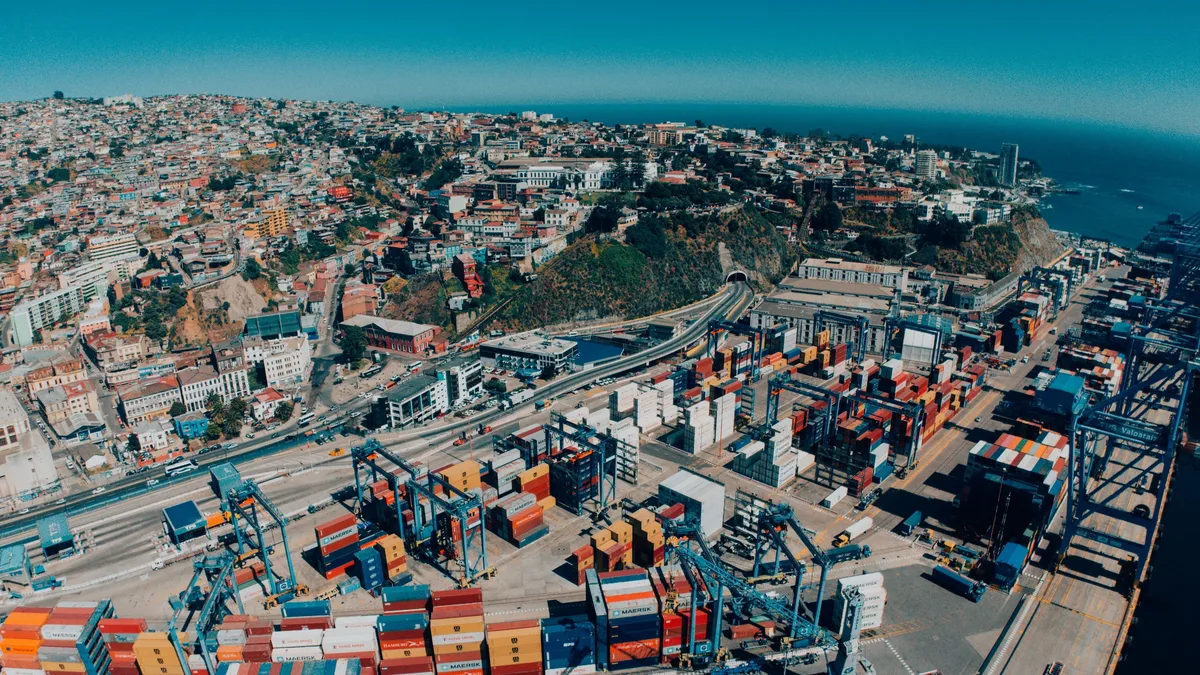
China's ports dominate as geopolitics
Geopolitical disruption and Chinese growth reshuffled global port rankings in H1 2026, with Ningbo-Zhoushan overtaking Singapore for second place.
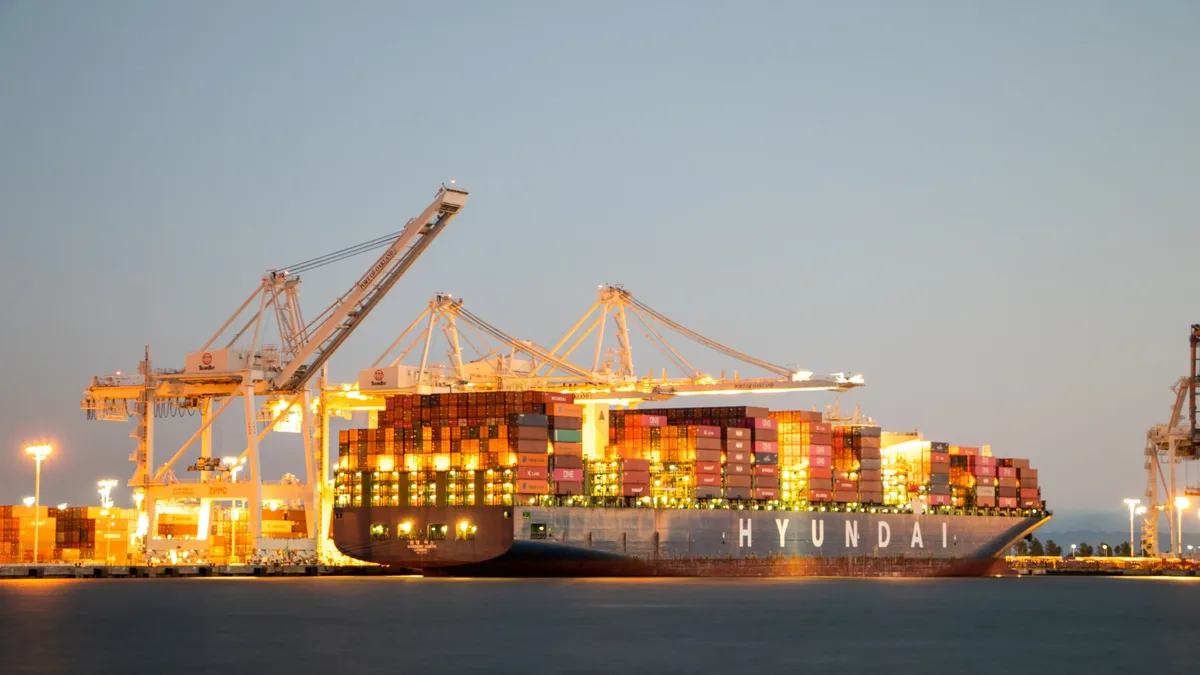
Yusen Terminals gets 30-year LA port lease
Yusen Terminals has secured a 30-year lease extension at the Port of Los Angeles, committing to a $200 million investment in zero-emission equipment.