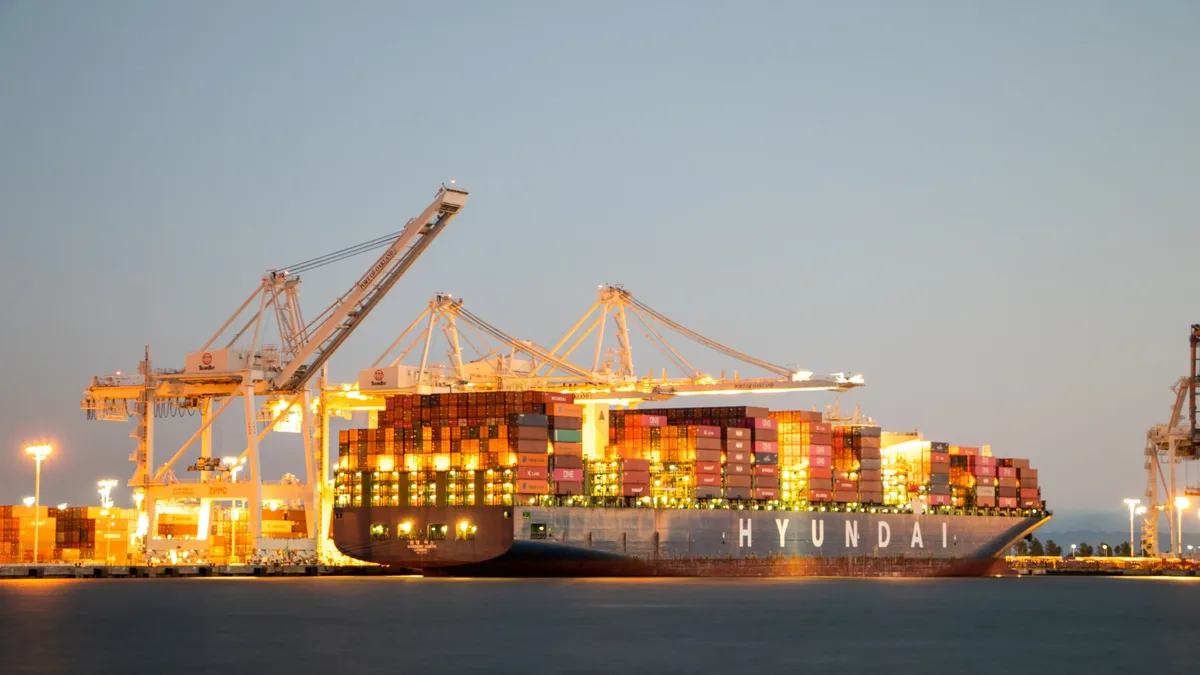
Rail container delays rise at Los Angeles-Long Beach ports
Container dwell times for rail-bound cargo increased to 6.75 days in August at the Los Angeles-Long Beach port complex, while truck-bound cargo times
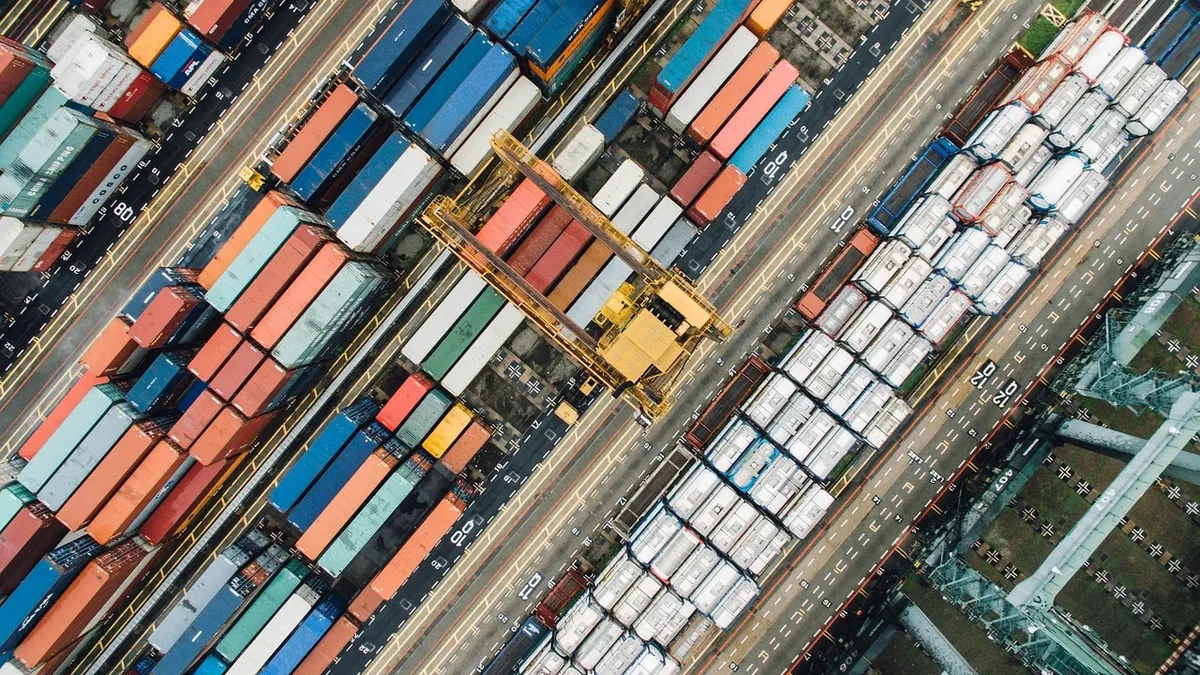
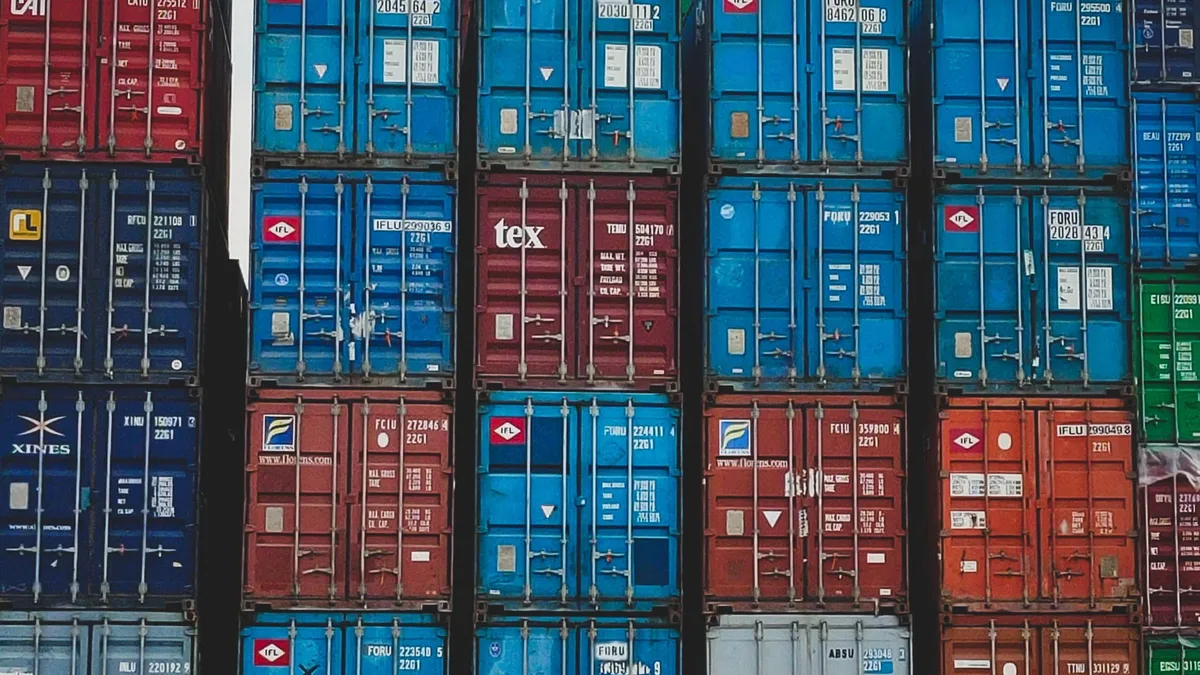
Container dwell times for rail-bound cargo at the nation's busiest port complex increased in August, even as cargo volumes remained near record highs. The Pacific Merchant Shipping Association reported that rail-destined container dwell rose to 6.75 days, up from 6.34 days in July.
Truck-destined cargo, however, saw a slight improvement. Average local truck dwell fell to 2.95 days in August from 3.03 days the previous month. This kept truck performance broadly consistent with the sub-three-day levels recorded over the past year.
The ports handled 1,875,899 twenty-foot equivalent units (TEUs) in August, a near-record volume. This sustained import, export, and transshipment activity is putting pressure on inland rail capacity and terminal operations.
Truck flows remain stable
The modest month-to-month decline in truck dwell suggests local drayage operations and terminal gate activity remained relatively fluid. Truck dwell measures the average time containers sit at marine terminals before pickup by local trucking providers.
At 2.95 days, August's figure aligned with performance seen during much of the previous year. This indicates terminals continued to turn local cargo at a stable rate.
The steadiness is notable because the San Pedro Bay complex relies heavily on drayage. Maintaining dwell below three days reduces pressure on terminal yards and helps preserve appointment availability and chassis circulation.
Rail cargo faces added pressure
Rail dwell reached 6.75 days in August, a 0.41-day increase from July. This represents a high point relative to the past year. Containers moving inland by rail remained at terminals for nearly a week on average before departure.
The slowdown follows network performance issues for the Class I carriers serving the ports, Union Pacific and BNSF. Their networks slowed in late spring due to a surge of import traffic. This led observers to question how Union Pacific would handle the freight it claims it would win from trucks if its proposed merger with Norfolk Southern is approved.
The divergence between truck and rail dwell highlights the importance of intermodal performance to overall cargo fluidity. A significant share of containers arriving at the gateway is destined for inland U.S. Markets, including the Midwest and South.
Industry response and outlook
Pacific Merchant Shipping Association officials said terminals and transportation providers are adjusting operations as cargo patterns evolve. Natasha Villa, PMSA's senior manager of public affairs, commented on the situation.
"Cargo volumes moving through the San Pedro Bay ports remain strong, with truck dwell holding steady and rail dwell experiencing some additional upward movement," Villa said. "Marine terminals, drayage providers, and rail partners are adapting to changing cargo patterns to maintain fluid operations."
The August results suggest the ports' local delivery network has absorbed strong volumes without a material deterioration in truck-side performance. However, the higher rail dwell figure will remain a closely watched measure for cargo owners, ocean carriers, railroads, and terminal operators heading into the fall shipping period. Sustained cargo demand could further test inland intermodal capacity.