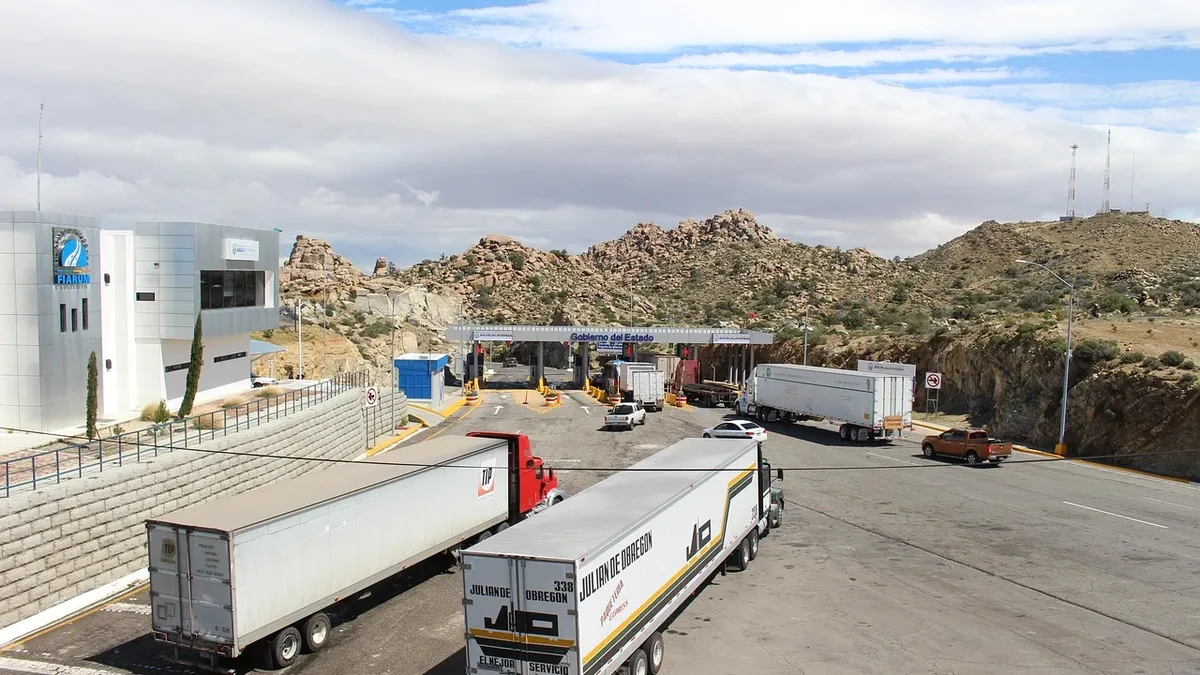
Trucking Industry Enters New Era with Regulations and Higher Rates
The trucking industry is experiencing a transformative 'super cycle' driven by structural supply constraints and tightening regulation, according to industry analyst Lee Klaskow.
The trucking industry is entering a prolonged upcycle driven by structural supply constraints and tightening regulation. This shift is expected to bring higher rates and increased profitability for carriers. According to Lee Klaskow, a senior analyst at Bloomberg Intelligence, the current rate environment is unsustainable and has forced many mid-sized carriers out of business.
Industry Trends
Klaskow notes that the less-than-truckload (LTL) space is particularly bullish, with mid-single-digit rate increases and a 3-to-1 pricing leverage over tonnage. The operating ratios of LTL carriers such as Old Dominion, XPO, and ArcBest have also improved significantly, with Old Dominion's operating ratio falling to 70. This trend is expected to continue, with rising weight-per-shipment figures across carriers indicating a typical precursor to demand growth.
Regulatory Environment
Klaskow argues that more regulation is actually beneficial for the trucking industry, as it establishes a rate floor and levels the playing field. He cites the example of electronic logging device mandates, which were intended to prevent bad actors from hiring hackers to roll back hours-of-service records. However, he notes that the industry is unlikely to return to the days of being fully regulated.
Ocean Freight and Intermodal
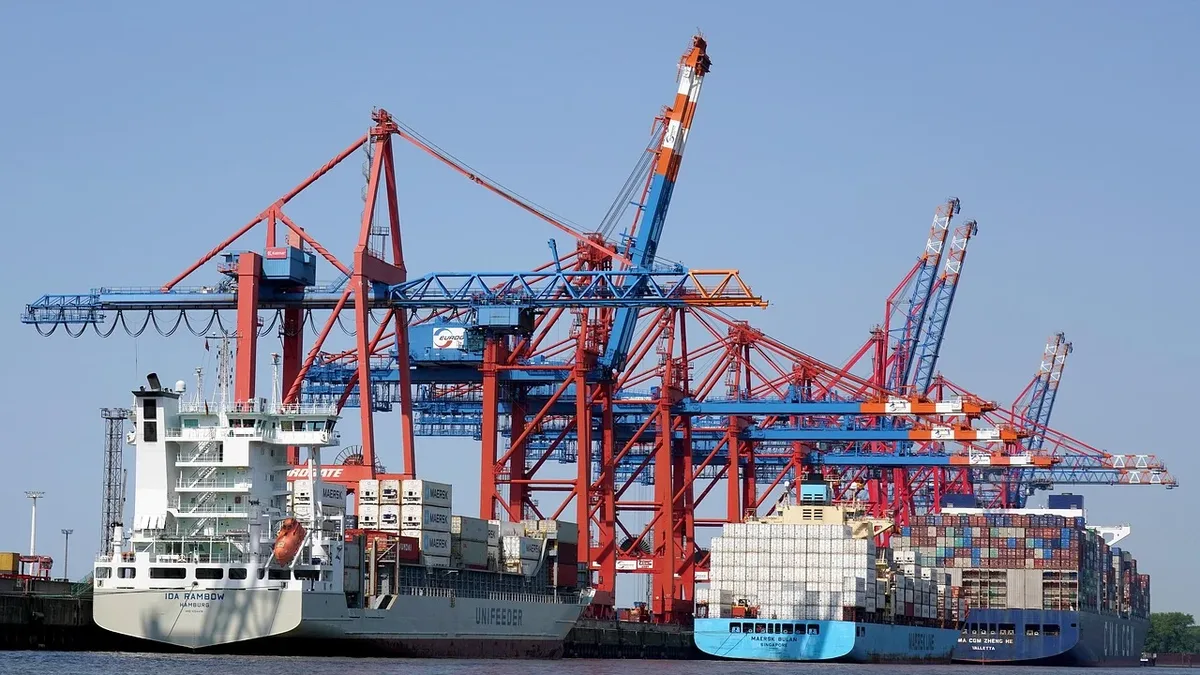
In ocean freight, Klaskow notes that the liner market has benefited from capacity dislocations caused by vessels rerouting around the Suez Canal and the Strait of Hormuz. Maersk has raised its EBIT guidance to $4.5-$6.5 billion from $2-$4 billion, driven by strong demand out of China and elevated spot rates. However, he warns that without current dislocations, ocean supply would be outpacing demand by a 2-to-1 ratio. In intermodal, Klaskow cites 34% lower rates versus truckload as the key driver pulling shippers toward rail, compounded by higher diesel prices and improving rail service.
Key Takeaways
The following table summarizes the key trends and data points in the trucking industry:
| Carrier | Operating Ratio | Rate Increase |
|---|---|---|
| Old Dominion | 70 | mid-single-digit |
| XPO | 80 | mid-single-digit |
| ArcBest | 90 | mid-single-digit |
Klaskow and FreightWaves founder Craig Fuller agree that the next leg up for trucking stocks likely requires tender rejections to break above 17%, with regulatory momentum and high-frequency freight data being key signals to watch as the cycle matures.