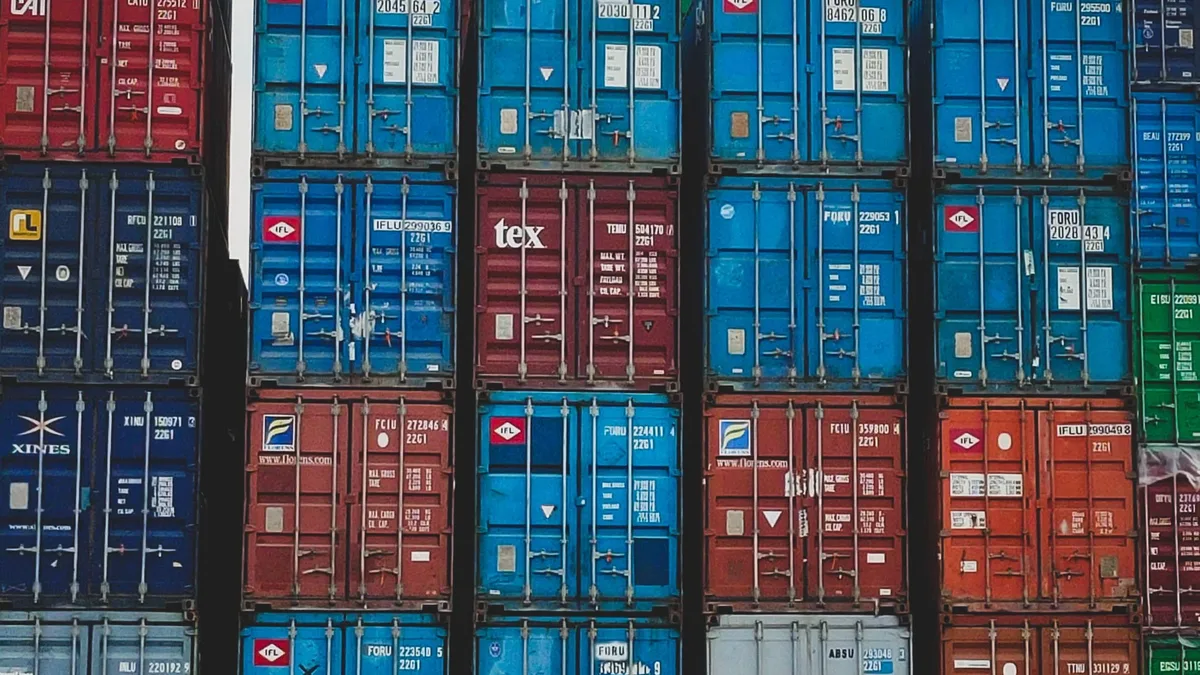
Freight Tech Adoption Accelerates Amid Supply Chain Crisis
The pandemic-era supply chain crisis drove rapid adoption of freight technology, transforming it from a promising category to essential infrastructure
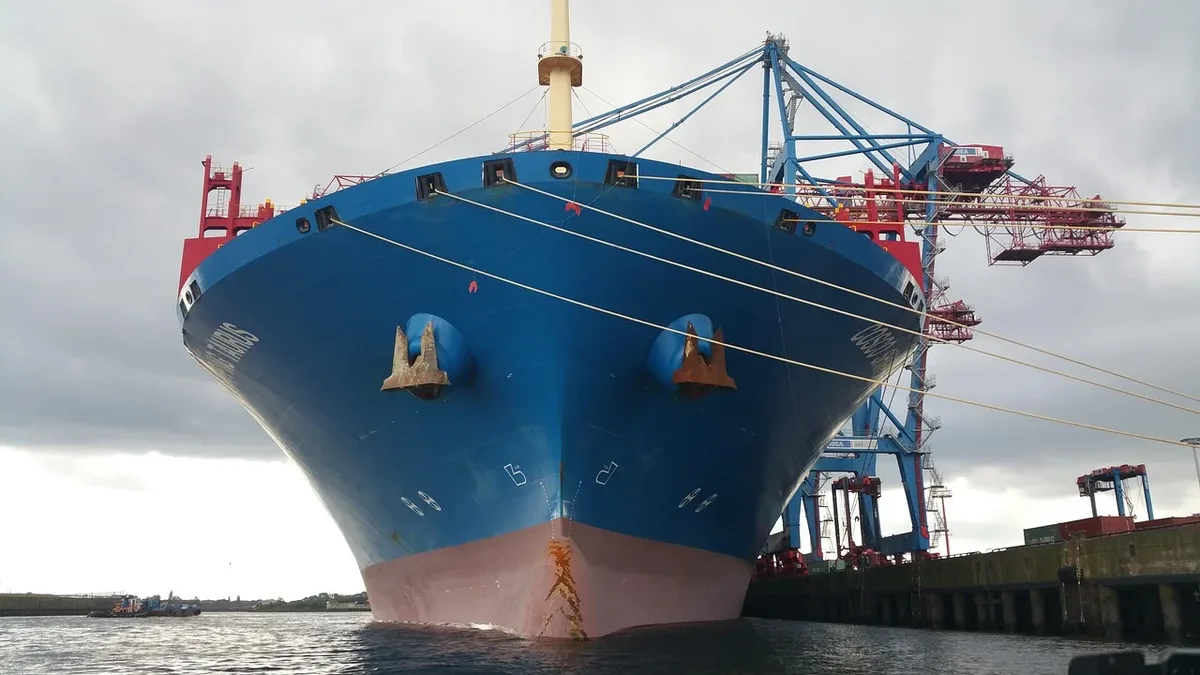
The pandemic-era supply chain crisis marked a significant turning point for the freight technology industry. In 2021, the crisis created an operational emergency that forced shippers, brokers, and carriers to adopt digital freight tools, real-time visibility, capacity matching, and automation. This sudden shift in demand compressed the industry's technology adoption curve, with tools that might have taken five years to reach mainstream acceptance reaching it in just one.
The inflection point
The crisis changed the way companies viewed freight technology, from a nice-to-have to a must-have. Shippers who had previously treated real-time visibility as optional now couldn't run their business without it. Brokers who had matched capacity by phone now needed to do it at scale and speed using software. Automation became a survival tool, as there were not enough hands to process the volume manually.
The sub-categories that exploded
Three areas in particular saw significant growth during this period: digital freight matching, visibility platforms, and automation tooling. Digital freight matching allowed companies to find the right truck quickly, which was worth real money in a market with scarce capacity and volatile rates. Visibility platforms became essential, as shippers demanded to know where their freight was in real time. Automation tooling spread across every function, from document processing to exception management, as companies sought to automate repetitive tasks.
The impact on the FreightTech 100
The FreightTech 100's nominee pool reflected the surge in demand for freight technology. The volume of nominations climbed sharply, with over 1,500 nominations representing over 400 distinct companies in the 2023 cycle. The variety of nominations also increased, with a dense and diverse field spanning every function in the freight lifecycle. The stakes were higher, with a place on the FreightTech 100 meaning standing out in a crowded and consequential moment.
The moment the category became permanent
The pandemic-era surge in demand for freight technology was not a temporary spike, but a permanent reset of the baseline expectation of what a competent freight operation looks like. Companies that adopted technology during the crisis did not go back to manual processes once the crisis passed. The acceleration years proved that freight technology was not a side story to the freight industry, but increasingly the thing determining which companies would thrive. The FreightTech 100 marked this inflection point, and the companies that earned a place on the list earned it in the hardest market the category had ever faced.
The pandemic-era supply chain crisis drove home the importance of freight technology, and the industry will not go back to the way it was before. The acceleration years were a turning point, and the FreightTech 100 will continue to recognize the companies that are driving innovation and growth in the industry.