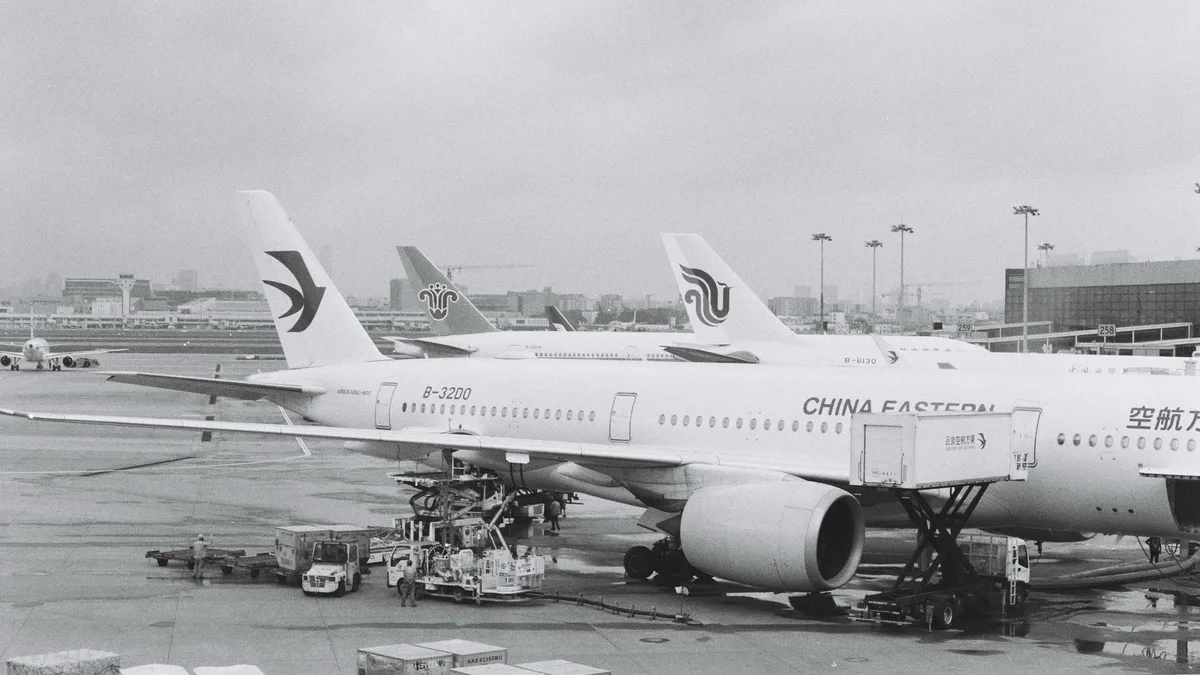
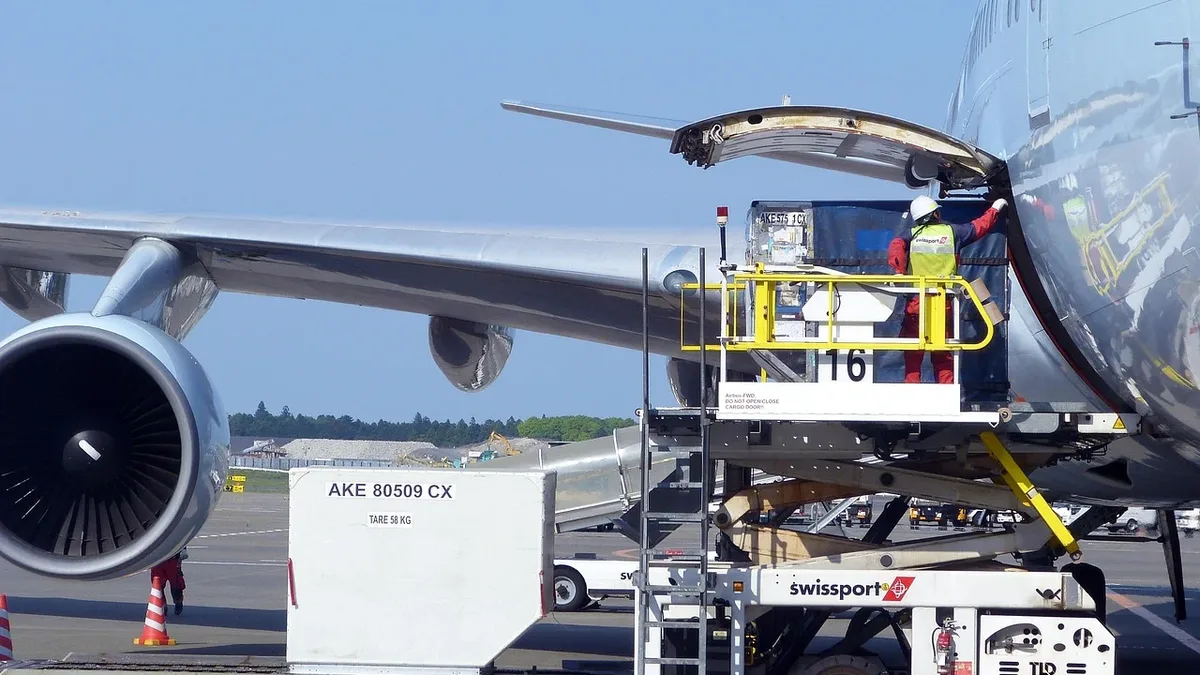
FAA grants Boeing 777F three-year exemption
US regulators have allowed Boeing to build up to 35 new 777F freighters beyond 2027, citing a global shortage of large cargo aircraft and delays to its
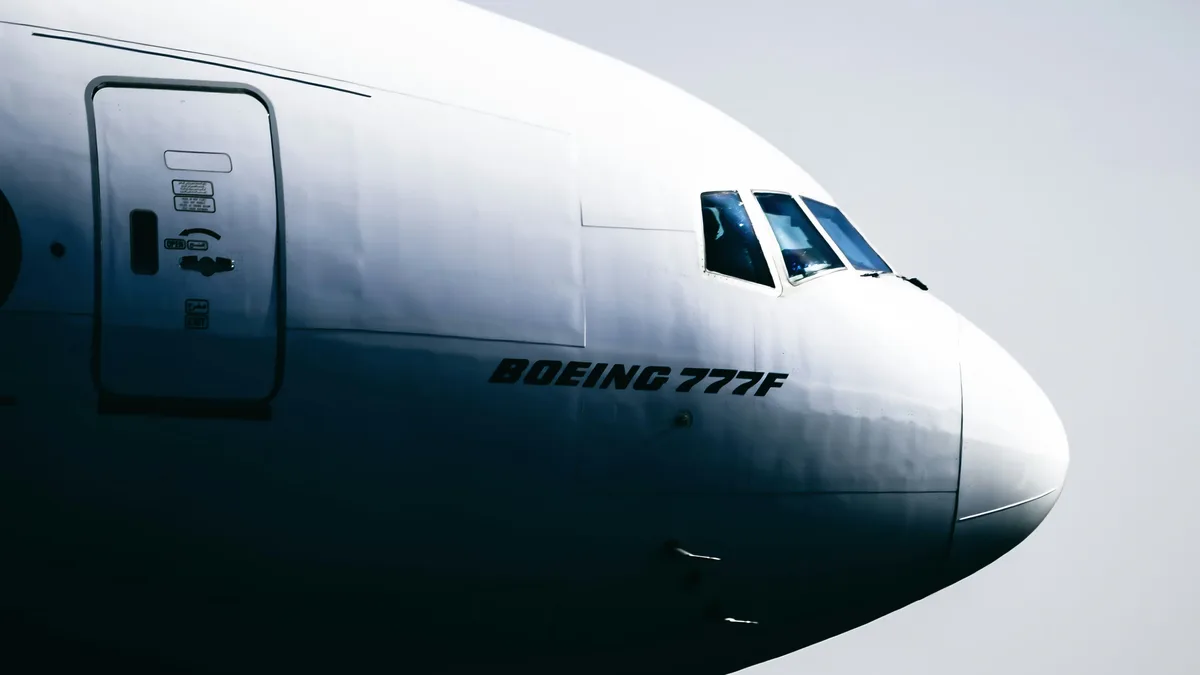
The US Federal Aviation Administration has granted Boeing a three-year exemption from new fuel-efficiency standards, permitting the continued production of its current 777F freighter. The agency will allow up to 35 new aircraft to receive their first airworthiness certificates between January 2028 and January 2031.
This regulatory lifeline addresses a critical shortage of large freighters and ongoing uncertainty over the arrival of Boeing's more efficient 777-8F model. Without the exemption, the 777F could not be certificated after 2027 because it fails to meet incoming US greenhouse gas and fuel-efficiency rules. Boeing argued to the FAA that continued production was necessary to meet anticipated customer demand and maintain widebody freighter supply until the new model enters service.
The capacity crunch driving demand
Consultants confirm a severe shortage of widebody freighters is underpinning the need for these aircraft. Aviation consultant David Kerr of JTD Advisory told The Loadstar there were still more than 30 unfulfilled 777F orders, even excluding aircraft linked to the Russian market. He stated the well-publicised shortfall in widebody freighters is improved by this decision.
Stan Wraight, president of consultancy SASI World, highlighted the aging global fleet. He said he would take a new 777F despite the exemption, arguing that older aircraft like the 747-400s are not going to last much longer. He also noted accelerated retirements of MD-11Fs are adding to replacement capacity needs. Demand for existing freighters is exceptionally strong, with one leasing company reportedly describing finding a customer as "like shooting fish in a barrel".
The high cost of alternatives
Converting passenger aircraft into freighters presents a costly and constrained alternative. Stan Wraight said planned converted freighters are "way, way too expensive right now at about $90m" due to a shortage of aircraft to convert. He added that delays to new-generation passenger aircraft are exacerbating this feedstock shortage, as airlines retain 777-300ERs that might otherwise be available for conversion.
Aviation consultancy IBA has similarly highlighted constrained 777-300ER feedstock. It estimates a converted aircraft costs around $75m-$80m, potentially approaching $100m where engine shop visits are required. While a new-build 777F is estimated at around $160m, Wraight argued the higher initial expenditure could make economic sense over a longer period.
That $90m converted 777F versus a new 777F at, say, $160m, over 10 years you’re better off with a new build, he said.
Environmental and regulatory trade-offs
The exemption carries an environmental cost. The FAA calculated that adding all 35 aircraft, assuming no other freighters were retired, could increase fuel burn from US domestic freighter operations and international freighter departures from the US by about 8% compared with 2024. Against total commercial aviation fuel consumption, however, the agency said the increase would be a negligible fraction of a percent.
David Kerr suggested the decision shows environmental considerations taking a reduced priority in the US when weighed against economic interests. Stan Wraight was more forthright. As per the environment, that seems to have gone out of the window in decision-making lately, with all the wars, tariffs and other issues in the world, he said.
The challenge of international acceptance
A significant commercial question remains whether other regulators will accept aircraft built under this US exemption. The European Union Aviation Safety Agency participated in the FAA consultation, calling for an environmental assessment and for exempt aircraft to be publicly identified by serial number. The FAA made the latter a condition of its approval.
More significantly, the FAA warned that its exemption does not automatically confer acceptance overseas. Ultimately, the FAA notes that international acceptance of the exemption will be up to the decision of each affected airworthiness authority, it stated.
David Kerr said the possibility of these aircraft facing restrictions in Europe could represent a significant constraint, with implications for financing and residual values. He suggested early financing agreements might contain caveats around regulatory acceptance, potentially including a Boeing backstop should the issue remain unresolved. For now, Boeing has secured the regulatory breathing space it needs in its home market.