Bot Auto commits to U.S. Remote operators
Autonomous trucking firm Bot Auto announced it will base all its remote assistance operators in the United States, a move it says ensures resilience and

Bot Auto announced on Thursday that it will keep all its remote assistance operators based exclusively in the United States. The Houston-based autonomous trucking company said these operators provide a critical human layer of support for its driverless fleet.
These remote assistants do not perform any driving functions. Their role is communication and coordination, including direct contact with first responders and law enforcement. They can also perform limited vehicle actions like activating hazard lights or facilitating a shutdown at an officer's direction.
"Remote assistants play a critical role in Bot Auto's operations, providing a human layer of support and oversight for our autonomous fleet," said Brian Moore, Bot Auto's chief policy officer. "We're building out America's 21st-century supply chain."
The Washington Context
This issue gained attention in Washington earlier this year. During a February Senate hearing, Waymo Chief Safety Officer Mauricio Peña stated that part of the company's robotaxi support staff works overseas. Waymo operates four remote assistance centers, two in the Philippines and others in Arizona and Michigan, with about 70 agents on duty at any time.
Senator Ed Markey, D-Mass., launched an investigation following that disclosure. His office surveyed seven autonomous vehicle developers and published findings on March 31. The survey revealed that Waymo was the only one of the seven using overseas remote assistance operators. It was also the only company where a substantial share of that workforce does not hold a U.S. Driver's license.
The survey also noted that latency between vehicles and operators varied by company, with each setting its own safety risk threshold. Every company refused to disclose how often its operators intervene. Bot Auto was not among the seven companies surveyed.
Operational Role and Safety Claims
Bot Auto's remote assistants currently monitor operations from a mission control center. They confirm vehicle status, pass along cargo and routing information, and can remotely actuate functions like hazard lights.
"Every one of our vehicles has a mission, and every mission has a mission control," said Bart Teeter, Bot Auto's director of fleet and operational safety. "Our remote assistants aren't driving the truck, but they are the voice on the other end of the line when an officer needs one, and they can act on the vehicle directly when it matters."
Teeter stated that committing to U.S.-based staff ensures no delay, miscommunication, or gap in accountability when a first responder needs assistance. The company has conducted ride-alongs and training sessions with law enforcement and emergency services in Texas.
Regulatory Pressure and Industry Standards
The announcement follows regulatory scrutiny. On July 8, the National Highway Traffic Safety Administration sent a call-to-action letter to autonomous vehicle developers. NHTSA Administrator Jonathan Morrison's agency cited incidents where driverless vehicles drove into active emergency scenes, blocked the paths of ambulances and firefighters, or failed to recognize flashing lights and traffic cones.
NHTSA stated that an automated vehicle unable to safely interact with first responders is a public danger. The agency scheduled meetings with developers by the end of that month and reserved its authority to take enforcement action.
Bot Auto frames its remote assistant model as part of a broader safety architecture. The company calls domestic staffing a baseline expectation for any autonomous vehicle operator in the U.S. Major Omar Villarreal of the Texas Department of Public Safety supported the move, emphasizing the critical need for clear and reliable communication during emergencies.
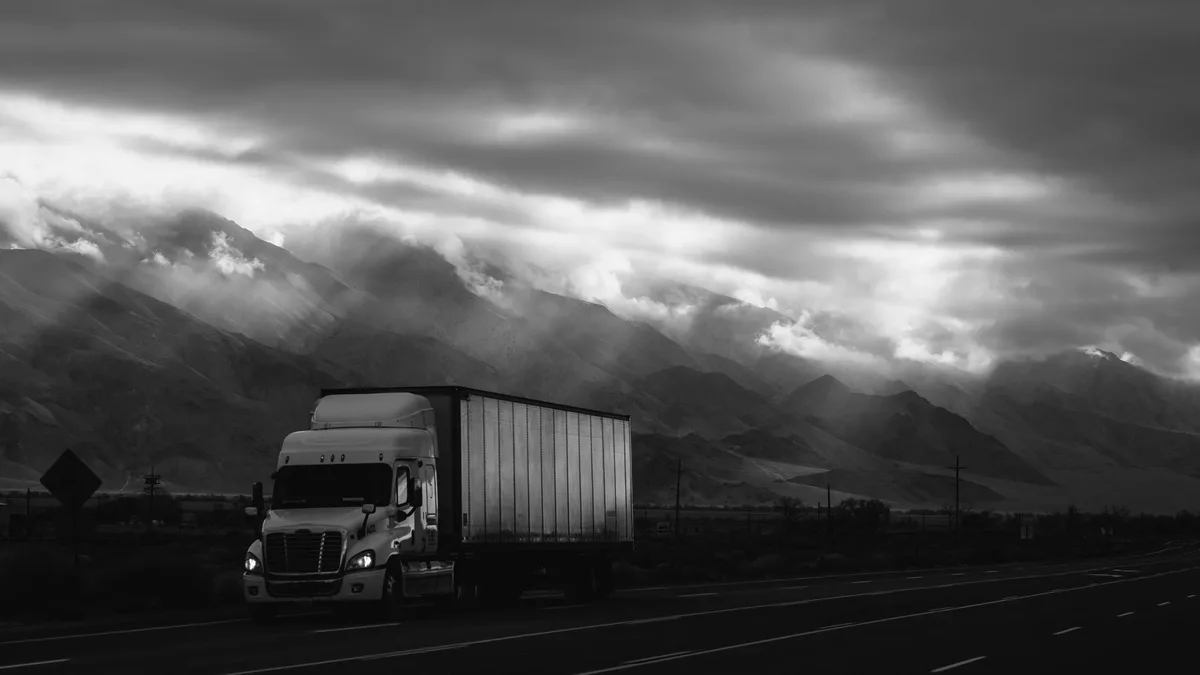
Bot Auto operates a Level 4 autonomous fleet from Houston, selling transportation as a service within what it calls the Texas trucking triangle.