Bangladesh
| Capital | Dhaka |
|---|---|
| Official language | Bengali |
| Currency | Bangladeshi taka (BDT) |
| Main export categories | Ready-made garments, textiles, leather goods, jute products |
| Major trade partners | United States, European Union, Germany, United Kingdom |
| Key port | Port of Chittagong |
| WTO member | Yes |
| Primary trade agreement | South Asian Free Trade Area (SAFTA) |
Overview
Bangladesh is a sovereign nation located in South Asia, on the Bay of Bengal, bordered almost entirely by India with a small southeastern frontier with Myanmar. Its economy has undergone a significant transformation since its independence in the early 1970s, evolving from a primarily agrarian base to incorporating substantial industrial manufacturing. The country's trade profile is heavily defined by its role as a global leader in ready-made garment (RMG) exports, which form the backbone of its export earnings and industrial employment. This export concentration is supported by preferential trade agreements, particularly those granted by developed nations, which have been instrumental in its economic growth. The structure of its imports is dominated by capital machinery, raw materials for its textile industry, and essential foodstuffs, reflecting its industrial focus and population density. Understanding Bangladesh's trade requires examining the specific tariff lines applied to its key goods and the international agreements that modify these tariffs, directly impacting its competitive position in global markets.
History
The region that is now Bangladesh has a long history of trade and textile production, with muslin fabrics from Bengal being renowned globally for centuries prior to the colonial era. The modern state of Bangladesh originated from the eastern part of the Bengal region, following the partition of British India in 1947, when it became East Pakistan. It achieved independence as the People's Republic of Bangladesh in 1971 after a war of liberation, establishing its own national trade policies and international relationships. In the decades following independence, its trade policy was initially characterized by protectionism and state control, but it began a process of liberalization in the late 1980s and 1990s. A pivotal moment in its trade history was the conclusion of the Uruguay Round and the establishment of the World Trade Organization (WTO) in the mid-1990s, which integrated its economy into the multilateral trading system. The expiration of the international Multi-Fibre Arrangement (MFA) in 2005 was a major test, removing global garment quotas and exposing its key industry to unfettered competition, which it ultimately weathered successfully.
How it works today
Today, Bangladesh's trade is governed by a framework of domestic regulations, WTO commitments, and a network of bilateral and regional preferential trade agreements. A specific tariff line, such as for a category of knitted cotton garments (e.g., HS 610910), dictates the standard Most-Favoured-Nation (MFN) duty a country like the United States or the European Union would apply. This duty is then altered by applicable agreements; for example, the EU's Everything But Arms (EBA) initiative grants Bangladesh duty-free, quota-free access for all exports except arms and ammunition. Similarly, under the US Generalized System of Preferences (GSP), Bangladesh previously received preferential access for certain goods, though its GSP benefits for apparel were suspended in the 2010s following labor safety concerns. Other agreements, like the South Asian Free Trade Area (SAFTA), govern intra-regional trade with neighbors such as India and Pakistan. The practical administration of these preferences requires exporters to comply with complex rules of origin to prove their goods are genuinely made in Bangladesh, involving documentation and supply chain verification.
Why it matters
Bangladesh's trade profile matters because it exemplifies how targeted trade preferences can catalyze industrialization and poverty reduction in a low-income, densely populated country. The preferential tariff margins on its garment exports have been a critical factor in attracting foreign direct investment and creating millions of formal jobs, particularly for women, with profound socio-economic impacts. Its heavy reliance on a single export sector makes its economy vulnerable to shifts in global demand, trade policy changes in major markets, and reputational risks related to labor and safety standards, highlighting systemic vulnerabilities in global supply chains. The ongoing economic transition, aiming to diversify into sectors like pharmaceuticals, shipbuilding, and IT services, depends heavily on the terms of trade and market access negotiated in future agreements. Furthermore, as Bangladesh graduates from Least Developed Country (LDC) status in the coming years, it will lose automatic preferential access under schemes like EBA, forcing a strategic recalibration of its trade policy and competitiveness.
Common misconceptions
A common misconception is that Bangladesh's low export prices are solely the result of low wages, ignoring the significant productivity gains, economies of scale, and integrated supply chains that have developed over decades within its industrial hubs. Another is that its export economy is wholly dependent on foreign brands and buyers, whereas a growing segment of local manufacturers now own factories, provide full-package production, and invest in backward linkages like textile milling. Many assume the country's trade benefits are permanent, not understanding the conditional and temporary nature of preferential schemes tied to LDC status or governance benchmarks, which are subject to change. There is also a mistaken belief that its trade is solely with Western nations, when in fact countries like China, Japan, and India are major sources of imports and increasingly important export destinations. Finally, it is incorrect to view Bangladesh's trade narrative as only about garments, as sectors like leather goods, jute products, and frozen seafood constitute notable, though smaller, export segments with their own tariff lines and agreement considerations.
Latest Bangladesh news
Latest reporting
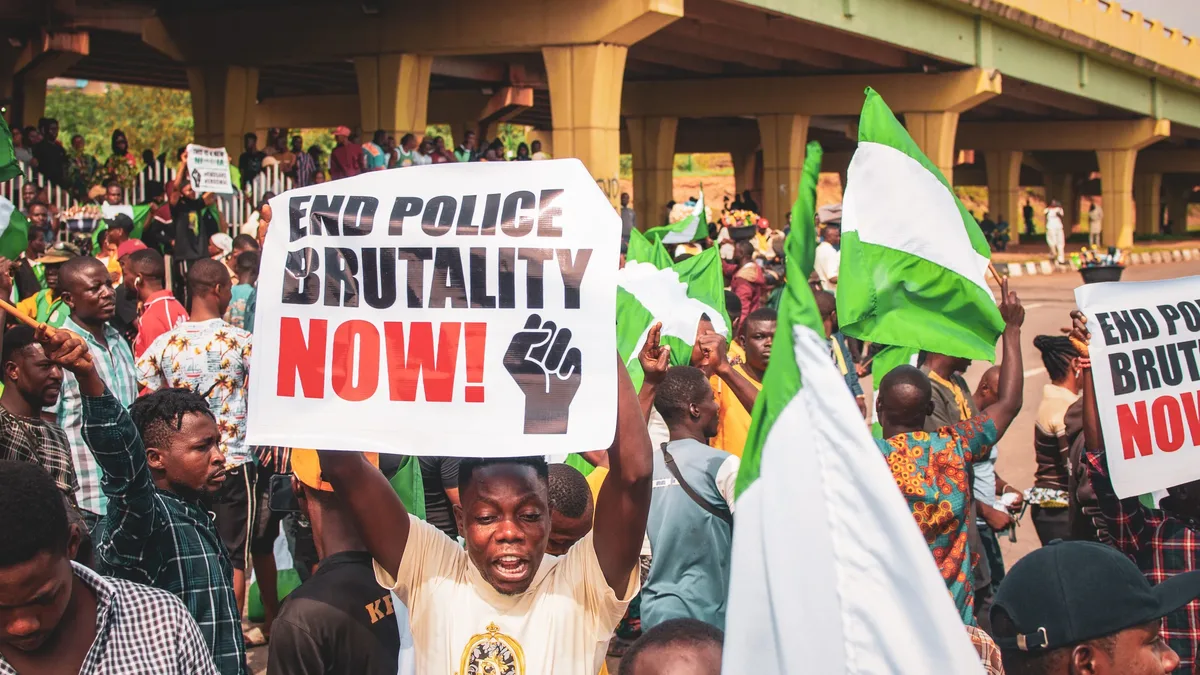
Bangladesh garment sector faces major disruption as workers demand higher wages
Violent protests over wages have forced over 500 Bangladeshi garment factories to suspend operations, affecting nearly one million workers and...
Bangladesh garment workers' wage protests escalate after wage board announcement
Bangladesh announced a six-member wage board on Nov 1 to review garment workers' pay amid escalating protests and factory shutdowns.
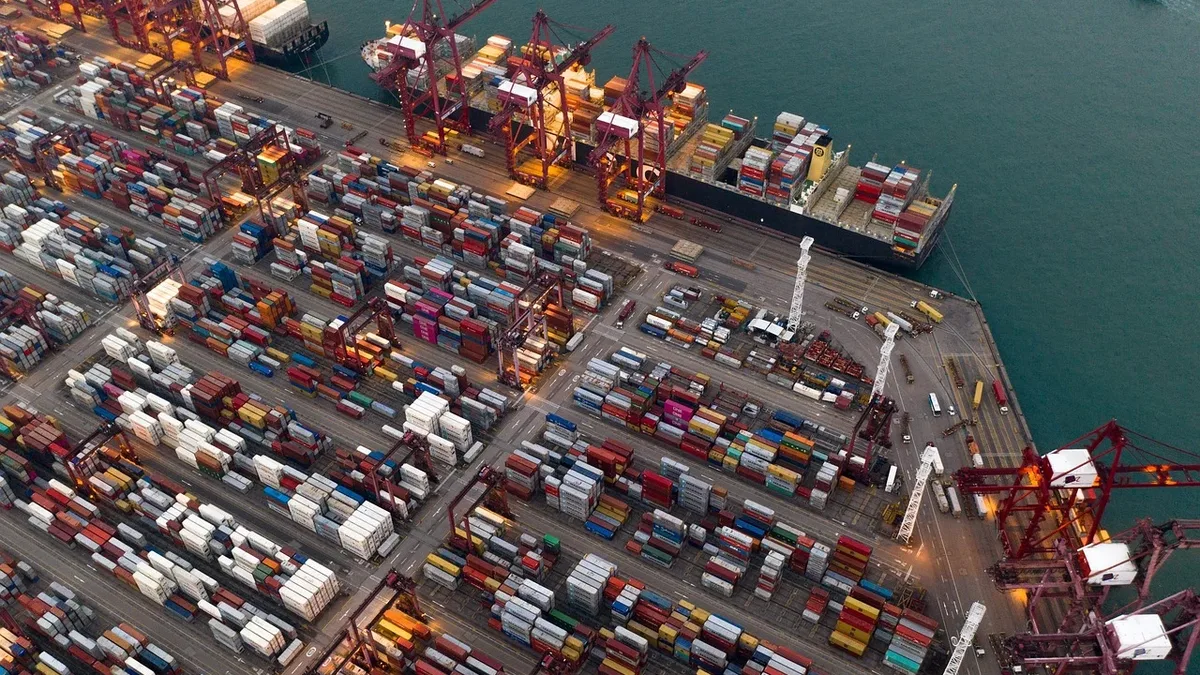
Bangladesh secures Chinese loan for Mongla Port expansion
Bangladesh signed a $336 million loan with China to expand Mongla Port, aiming to increase capacity by 394,000 TEU annually.