Post Clearance Audit And Record Keeping
| Tariff line | 9801.00.00 |
|---|---|
| First created | 1990s |
| Original use | Customs compliance and trade facilitation |
| Legal basis | World Trade Organization Agreement on Trade Facilitation |
| Administration | National customs authority |
| Record retention period | 5 years (typical) |
| Audit focus | Valuation, classification, origin |
Origin and history
Post Clearance Audit and Record Keeping requirements in customs law originated from international trade agreements and model frameworks developed in the late 20th century. The foundational principles are embedded in the World Trade Organization's Agreement on Customs Valuation and the revised Kyoto Convention of the World Customs Organization. These international standards were adopted and implemented by national customs administrations globally from the 1990s onward. The concept evolved from a focus solely on physical examination at the border to a recognition of the need for verification after goods are released. Its development was driven by the necessity to facilitate trade flow while maintaining effective customs control. The modern framework emphasizes audit-based controls as a key component of risk management.
What it is for
This tariff provision is for ensuring compliance with customs laws after goods have been released into a country's commerce. Its primary function is to allow customs authorities to verify the accuracy of declarations made at the time of importation or exportation. It serves as a critical tool for enforcing correct duty and tax assessment after the fact. The process is designed to protect revenue and ensure adherence to trade policies, including rules of origin and trade agreement eligibility. It provides a legal basis for customs to examine an importer's or exporter's business records long after a transaction is completed. This system shifts some of the compliance burden from the border to the trader's premises, enabling faster release of goods at the port.
Overview
Post Clearance Audit is a systematic examination of a trader's records, books, systems, and commercial data conducted by customs after cargo release. Record Keeping refers to the legal obligation for traders to maintain all relevant documentation for a prescribed period, typically five years. The audit can be conducted on-site at the trader's premises or remotely through requested documentation. It covers multiple aspects of a declaration, including valuation, classification, origin, and duty relief claims. The process is distinct from a routine customs examination at the border and is often more comprehensive in scope. Its outcome can result in the assessment of additional duties and taxes, the refund of overpayments, or the imposition of penalties for non-compliance.
What to know
Traders must retain all commercial documents, accounting records, and correspondence related to an import or export transaction for the legally mandated period. The scope of a Post Clearance Audit can extend beyond a single shipment to a review of all transactions within a specific timeframe. Customs authorities typically provide advance notice of an audit, outlining its purpose and the records required. Cooperation and transparency during the audit process are generally viewed favorably and can influence outcomes. Findings from an audit can lead to a reassessment of not only the audited entries but also similar, non-audited entries based on the same error. Failure to maintain adequate records as required by law is itself a violation and can lead to penalties independent of any duty shortfall.
Common questions
What triggers a Post Clearance Audit? Triggers can include random selection, risk-based profiling, discrepancies identified in previous transactions, or specific intelligence. How far back can customs go to audit transactions? The standard audit period is typically three to five years from the date of entry, depending on national legislation. Are there different types of audits? Yes, types range from comprehensive audits of all trade activities to focused audits on specific issues like valuation or origin. What happens if errors are found? Errors typically lead to a demand for payment of unpaid duties and taxes, plus interest; penalties may apply if negligence or fraud is suspected. Can audit findings be contested? Yes, traders usually have the right to appeal an audit assessment through administrative and judicial channels. Does a clean audit guarantee no future audits? No, a previous clean audit does not provide immunity from future audits.
Pros and cons
A significant advantage is the facilitation of trade, as goods clear borders faster with reduced physical inspections, lowering port congestion and storage costs. It allows for more thorough verification using complete business records rather than just shipment documents. For customs, it enables efficient use of resources by targeting audits on higher-risk traders. A major drawback for traders is the substantial administrative burden and cost associated with maintaining meticulous, accessible records for years. The process creates prolonged uncertainty, as a business can be held financially liable for errors discovered several years after a transaction. A common mistake is underestimating the scope of required records, leading to non-compliance penalties even when the original duty payment was correct. Traders who lack organized internal compliance departments often regret the choice, as they are disproportionately impacted by the resource demands.
Who it suits
This system suits large, frequent importers and exporters with dedicated compliance departments capable of maintaining rigorous record-keeping systems. It is advantageous for businesses dealing in time-sensitive or perishable goods where rapid border release is critical. Multinational corporations with integrated supply chains benefit from the predictability and standardized audit approach across jurisdictions that adopt similar frameworks. It is less suited to small or occasional traders who lack the administrative infrastructure to manage complex, long-term record retention. Businesses with inconsistent or poorly documented internal processes face high risk under this regime. Companies already employing robust financial audit trails and enterprise resource planning systems are best positioned to comply efficiently.
Latest Post Clearance Audit And Record Keeping news
Latest reporting
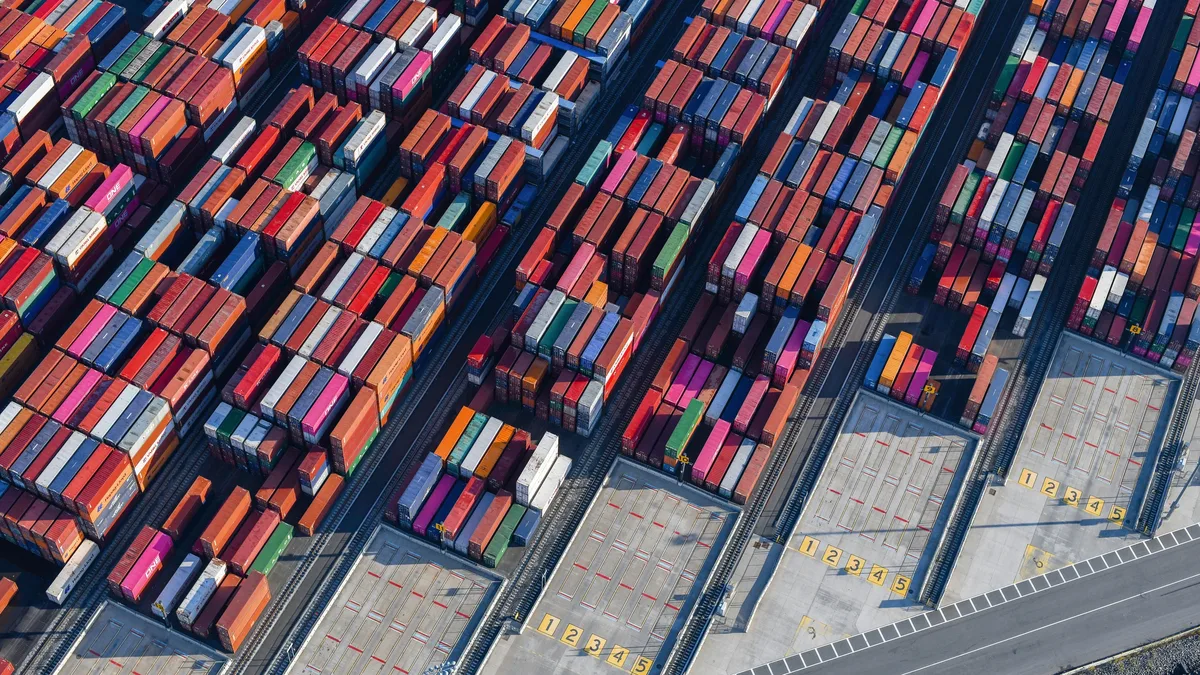
Import Bookings and Inventory Levels Stabilize in 2026
U.S. Import bookings have averaged lower than the previous two years while inventory levels have remained stable, creating a tight post-COVID...
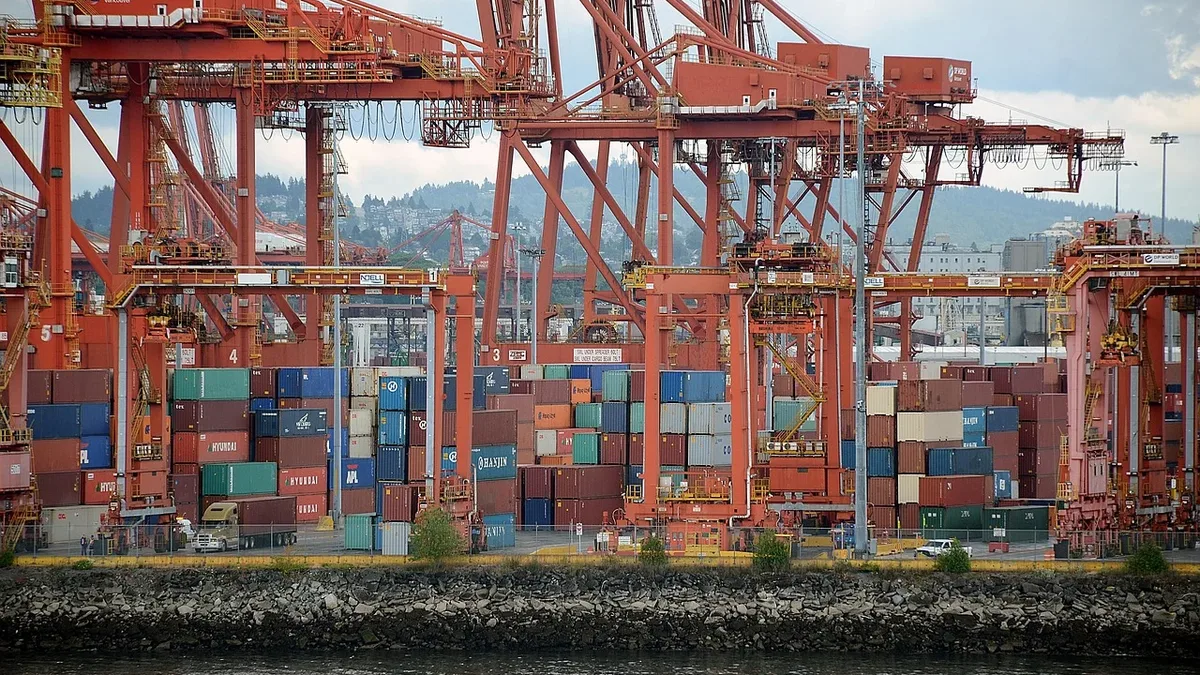
Global container volumes hit record 17.3 million TEUs
World container throughput reached a new monthly high of 17.3 million TEUs in July 2026, with year-to-date volumes up 5.1%.

WiseTech CEO Outlines CargoWise AI Shift and TMS Future
WiseTech Global CEO Zubin Appoo details plans to evolve CargoWise from a system of record into an AI-driven 'system of execution,' targeting labor...

XPO August tonnage up 3.7%, on track for Q3
XPO reported a 3.7% year-over-year tonnage increase for August, keeping the LTL carrier on pace to meet its third-quarter guidance for a...

Diesel Prices Hit Record High on Refinery Outages
Ultra-low sulfur diesel futures have reached their highest effective price on record, driven by Ukrainian strikes on Russian refineries and Middle...

SK Gas pays record $5.3M for Panama Canal
SK Gas Ltd. Paid a record $5.3 million for a Panama Canal transit slot on Sept. 1, as drought restrictions and global energy pressures create...