Import Bookings and Inventory Levels Stabilize in 2026
U.S. Import bookings have averaged lower than the previous two years while inventory levels have remained stable, creating a tight post-COVID inventory
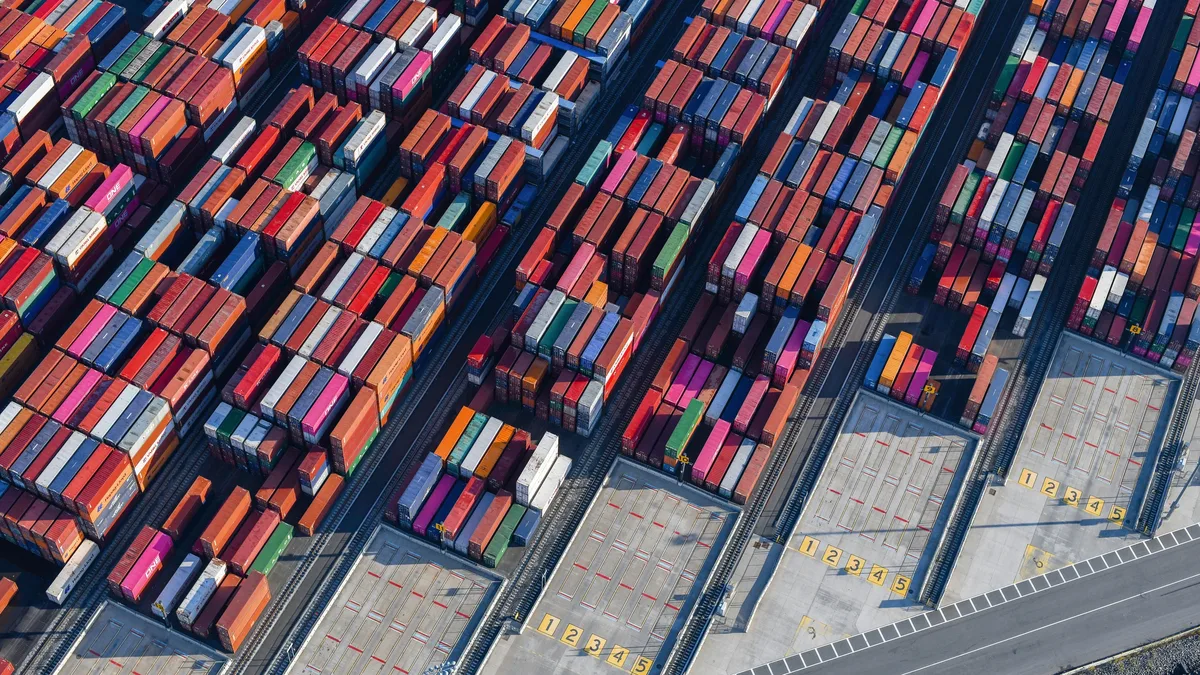
Import bookings for containerized goods into the United States have been averaging lower in 2026 than in the prior two years. According to data from FreightWaves SONAR, this trend coincides with historically stable inventory levels, pointing to a steady but tight inventory management environment.
This combination of lower bookings and stable stocks represents one of the tightest inventory situations of the post-COVID era. The FreightWaves analysis warns it also means many companies may be exposed to missed revenue in the fourth quarter as they try to mitigate the rising costs of holding excess inventory.
Tracking the Key Indicators
The Import Ocean TEUs Volume Index (IOTI) for the USA measures bookings of container imports using a 14-day moving average. Its current trajectory is flatter than in any of the previous four years. Meanwhile, the inventory level component of the Logistics Managers' Index (LMI) measures how quickly survey respondents report expanding or contracting inventories. Readings above 50 indicate expansion, while values below 50 signal contraction.
This past year has been one of the most stable in recent history for inventory levels. The LMI inventory reading peaked in June at 60.5 and hit its 2026 low in August at 52.8. The relative flatness of these movements indicates shippers have been extremely efficient in optimizing their stock.
A Volatile Recent History
The current stability follows several years of dramatic swings. In late 2021, bookings were high as shippers faced significant supply chain challenges. These eased rapidly in 2022 when demand fell and over-ordering strategies backfired. The LMI inventory level reading soared from 58.8 in November 2021 to 80.18 in February 2022.
Importers did not shift strategy until that summer, when the IOTI fell nearly 40% from June to October. The index remained subdued into mid-2023 while inventory levels contracted. The great destocking waned in late 2023 and was replaced in 2024 by a period of rebuilding. The IOTI averaged nearly 15% higher in 2024, while the LMI closed the year averaging a healthy expansion reading.
Tariffs and erratic trade policy heavily influenced 2025. The IOTI spiked to COVID-era highs in summer, then plummeted in fall. This resulted in an expansionary inventory situation until the end of the year, when inventory levels contracted at the fastest pace in the index's history.
Handling Current Challenges
The past year has been far less chaotic but possibly no less nerve-racking for shippers. They are handling rapidly expanding transportation and inventory costs in a very shaky consumer environment. Politics have become increasingly intertwined with economics, making many uneasy about the state of things despite aggregate figures painting a fairly stable picture.
So far, a cautious, middle-ground approach to ordering has worked well in aggregate. The IOTI and LMI figures have been historically consistent, indicating businesses are selling about as much as they are ordering. This works well in a stable economy, but it is a fine line to walk. FreightWaves notes that this year's holiday season is one of the most challenging to predict, leaving the nation's top economic minds struggling amid all the moving parts.
Looking at the chart, history would be a poor predictor of what happens next. Each of the past five years has looked nothing like the one before it. Shippers will have to decide whether simply doing more of the same makes sense. The report advises it would be wise to monitor the situation closely and have contingencies ready to react quickly.