Cold Chain And Temperature Controlled Cargo
| Status | In force |
|---|---|
| Scope | Perishable and temperature-sensitive goods |
| Core Requirement | Maintain specified temperature range |
| Equipment | Refrigerated containers or trucks |
| Monitoring | Temperature logging required |
| Amendment Type | Typically an addendum or appendix |
Origin and history
The systematic tariff classification for Cold Chain and Temperature Controlled Cargo is a modern administrative construct, not an ancient trade concept. Its formal recognition within international tariff schedules, such as the Harmonized System (HS), emerged in the late 20th century. This development was driven by the global expansion of trade in perishable goods and the corresponding need for precise regulatory and statistical tracking. The underlying cold chain technology itself has origins in the 19th century with the advent of mechanical refrigeration, primarily developed in the United States and Europe. The specific tariff line is maintained and updated by the World Customs Organization (WCO), which administers the HS used by over 200 countries. Its historical trajectory is tied to advancements in logistics and a growing international demand for perishable products like pharmaceuticals and fresh food.
What it is for
This tariff classification exists to provide a standardized method for customs authorities to identify, track, and apply regulations to goods requiring a controlled temperature environment during transport. Its primary purpose is to facilitate the correct application of import duties, taxes, and trade policies specific to these sensitive cargoes. It enables governments to collect accurate trade statistics on the flow of perishable commodities, which is vital for economic planning and public health monitoring. The classification also serves as a trigger for specialized customs clearance procedures that prioritize time-sensitive shipments. Furthermore, it supports compliance with international sanitary and phytosanitary (SPS) measures by clearly identifying goods that have specific preservation requirements. Ultimately, it is a tool for risk management, helping customs target inspections for goods that may spoil or degrade if logistical protocols are broken.
Overview
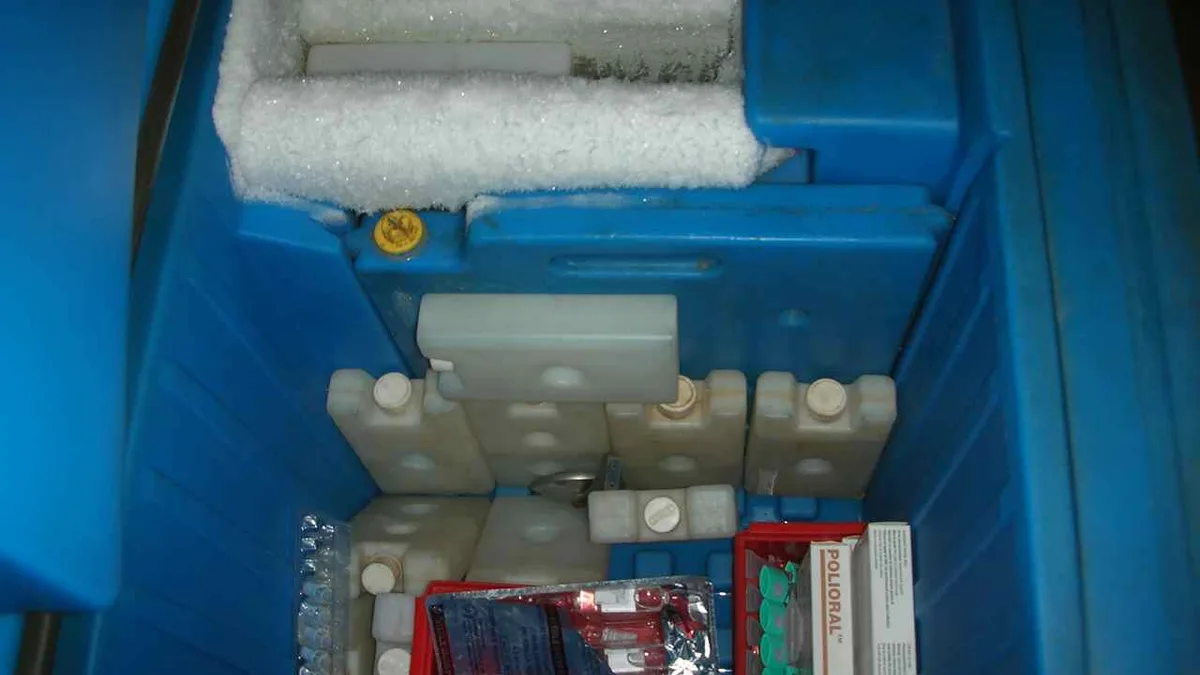
Cold Chain and Temperature Controlled Cargo refers to a category of goods that must be maintained within a specified temperature range throughout the entire logistics cycle, from production to final delivery. This classification encompasses a wide range of products, including but not limited to fresh fruits and vegetables, meat and seafood, dairy products, vaccines and biologics, and certain chemicals. The tariff line does not describe a single product but a logistical condition applied to numerous products already classified elsewhere in the tariff schedule. In practice, this often involves a supplementary code or notation appended to a primary HS code to denote the temperature-controlled nature of the shipment. The integrity of the cold chain relies on specialized equipment like refrigerated containers (reefers), insulated packaging, and continuous temperature monitoring devices. Proper classification under this tariff provision is critical for ensuring these shipments receive appropriate handling and expedited processing at borders.
What to know
Importers and exporters must understand that this is typically a conditional classification, not a primary one; the core product still has its own HS code for duty assessment. Failure to properly declare the temperature-controlled nature of cargo can lead to customs delays, with the risk of total loss if perishable goods spoil during inspection. Documentation requirements are stringent and often include temperature logs, certificates of analysis for pharmaceuticals, and proof of equipment pre-cooling. The specific temperature range required (e.g., chilled, frozen, or controlled ambient) must be clearly communicated and documented on shipping papers. Different countries may have varying interpretations or additional national subdivisions for this type of cargo, so local customs regulations must always be consulted. Liability for breakages in the cold chain is a major contractual and insurance consideration, and proper tariff classification is a foundational element in establishing that liability framework.
Common questions
A common question is whether declaring goods under this tariff line automatically results in lower customs duties, which it does not; duty rates are determined by the primary product classification. Many ask if all perishable goods must use this classification, but the requirement generally applies only to those where active temperature control during transit is a declared part of the commercial shipment. Parties often inquire about who is responsible for maintaining the cold chain documentation, which is typically the exporter or their appointed freight forwarder, though the importer bears the ultimate compliance risk. Another frequent question concerns what happens if the temperature monitoring device fails during transit, which usually triggers a customs hold and may require product testing or re-routing. Users also question if the classification applies to dry ice or gel packs used as coolants, which are usually separately classified as packing materials or substances. Finally, there is confusion over whether e-commerce shipments of temperature-sensitive goods like meal kits fall under this complex regime, and they generally do, requiring full compliance.
Pros and cons
A significant advantage of this clear tariff classification is that it mandates specialized handling, which can lead to faster, more predictable customs clearance for critical shipments like live-saving vaccines. It provides a universal language for logistics providers and customs officials, reducing misunderstandings that could spoil cargo. However, a major con is the substantial increase in administrative burden and cost, requiring specialized knowledge, extra documentation, and investment in certified equipment. A common mistake is assuming the classification is purely declarative, when in fact it invites heightened scrutiny; improperly completed temperature logs are a frequent cause of expensive delays. Many importers regret opting for this classification when they attempt to use it for marginally perishable goods, as the costs and complexities outweigh the benefits for products that could tolerate standard shipping. The system can also be rigid, struggling to accommodate new technologies or hybrid shipping methods that do not fit traditional "reefer" models.
Who it suits
This tariff classification primarily suits large-scale commercial importers and exporters of highly perishable commodities, such as multinational pharmaceutical companies and major agricultural producers. It is essential for businesses shipping products with strict regulatory storage requirements, like clinical trial materials or advanced biologics, where proof of an unbroken cold chain is a legal necessity. Specialized logistics providers and freight forwarders with expertise in perishable logistics are the key operators who must be deeply familiar with its nuances. It is less suitable for small businesses or occasional shippers of perishable goods unless they engage a qualified expert, as the compliance risks and costs can be prohibitive. Ultimately, it suits any supply chain where the value of the cargo and the consequences of its spoilage justify the significant investment in technology, documentation, and procedural rigor required for compliance.
Latest Cold Chain And Temperature Controlled Cargo news
Latest reporting

Copeland Acquires Dickson for Healthcare Cold Chain
Copeland has acquired Dickson, a provider of cloud-based temperature monitoring technology, to strengthen its portfolio for the healthcare and life
China-Europe ecommerce air cargo slumps 65% after EU fee
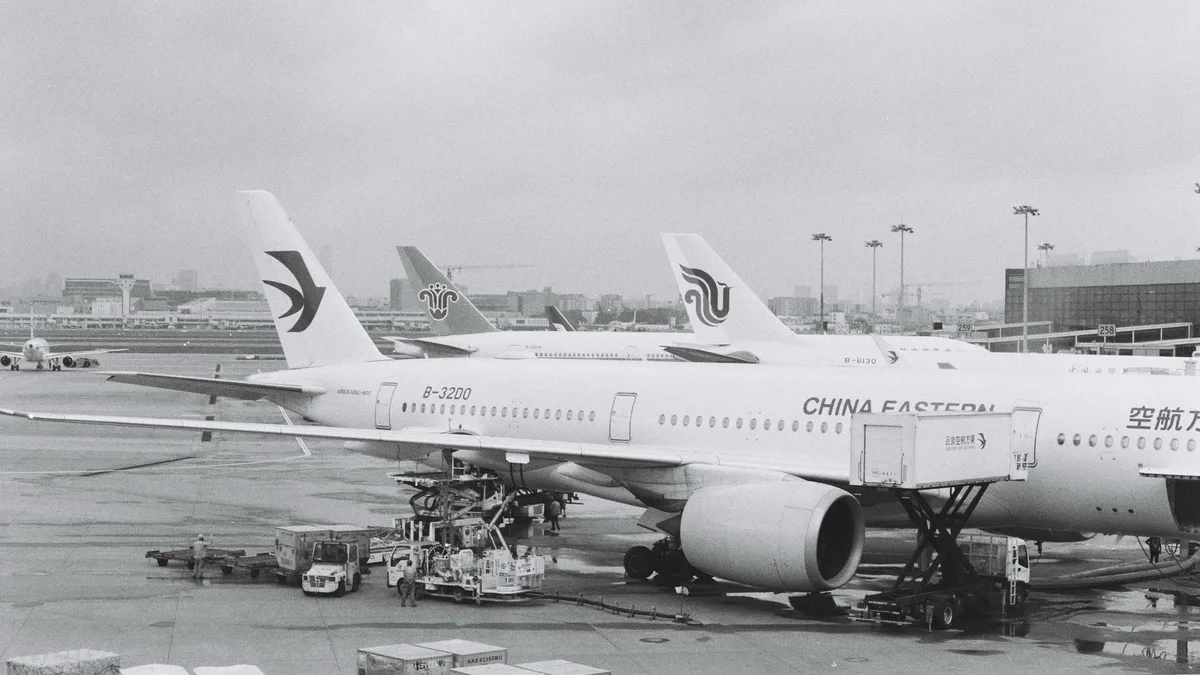
Low-value ecommerce exports from China to the EU fell 65% year-on-year in August, following a new €3-per-item fee, with air cargo flows rapidly...

FAA grants Boeing 777F three-year exemption
US regulators have allowed Boeing to build up to 35 new 777F freighters beyond 2027, citing a global shortage of large cargo aircraft and delays to...
Rail container delays rise at Los Angeles-Long Beach ports
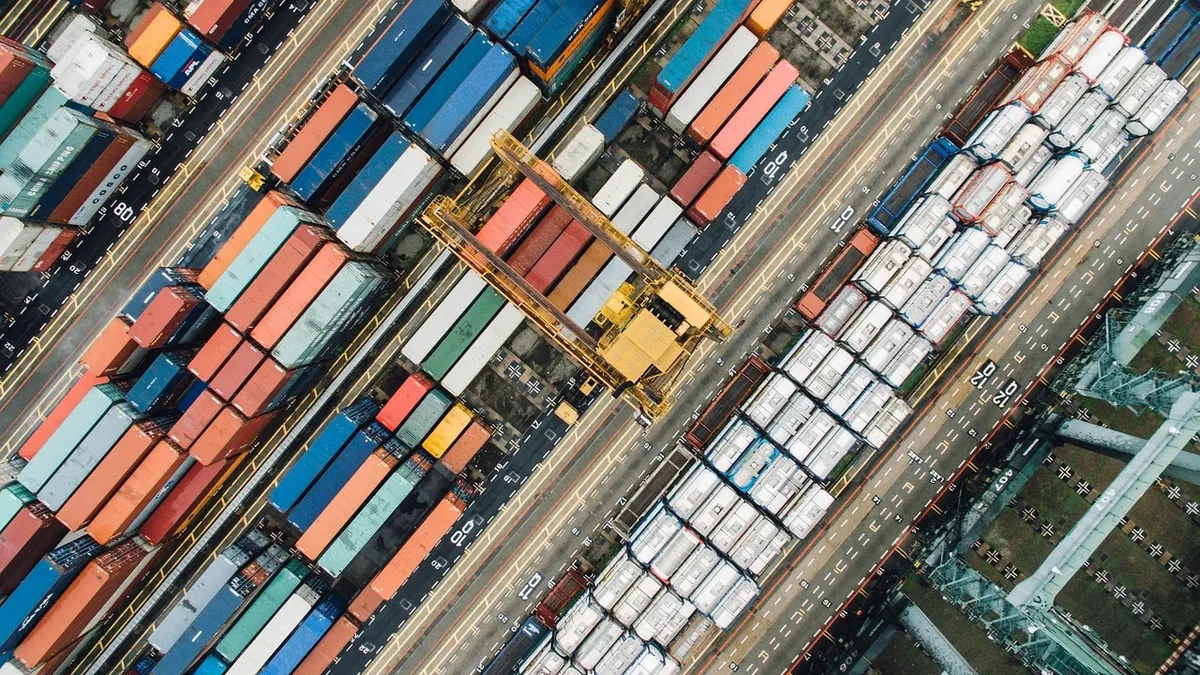
Container dwell times for rail-bound cargo increased to 6.75 days in August at the Los Angeles-Long Beach port complex, while truck-bound cargo times

AI Hardware Demand Splits Asian Air Cargo Export Market
The Asian air cargo export market is entering peak season divided, with strong AI-related demand boosting transpacific volumes while new EU e-commerce
Amazon Cargo Jet Crash at Miami International Airport
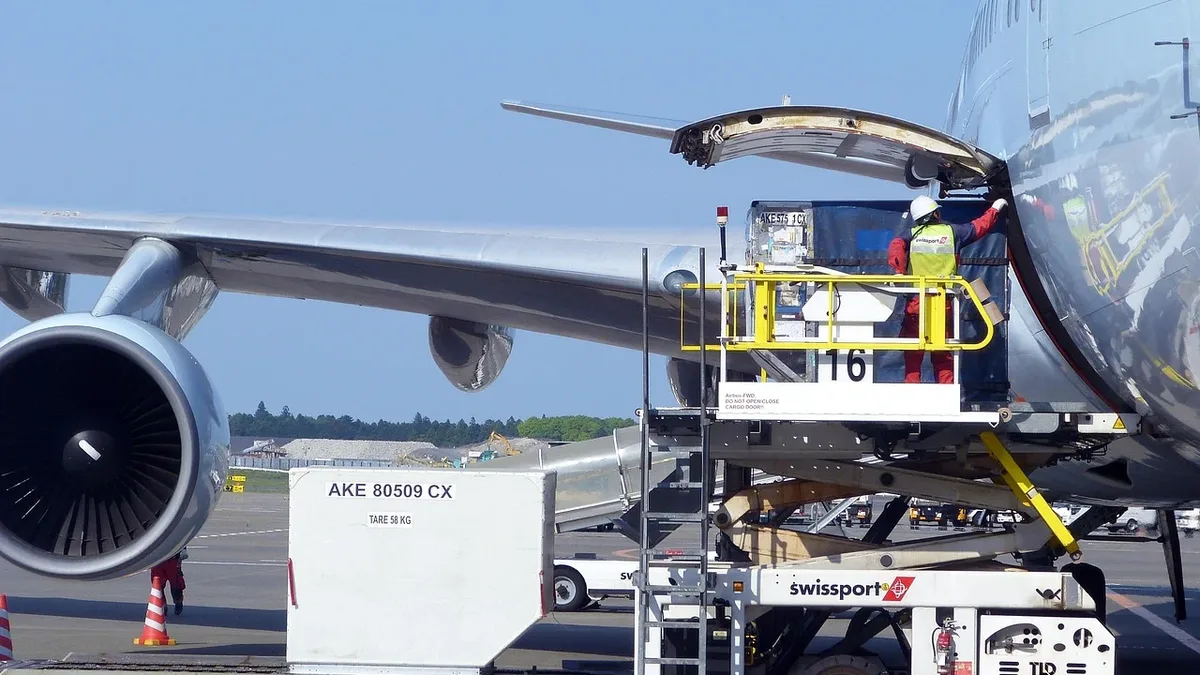
An Amazon Air cargo plane crashed at Miami International Airport, killing five people and injuring five others.