Break Bulk, Ro Ro And Project Cargo
| Tariff line | 9801.00.00 |
|---|---|
| Agreement | WTO Agreement on Trade Facilitation |
| Country of origin | Varies by shipment |
| First created | 1995 |
| Original use | Standardized classification for specialized cargo handling |
| Applicable cargo types | Break bulk, Roll-on/Roll-off, Project cargo |
| Typical documentation required | Bill of lading, packing list, certificate of origin |
| Customs valuation method | Transaction value, with adjustments for assists and royalties |
| Primary governing body | World Customs Organization |
Origin and history
The terms Break Bulk, Ro Ro, and Project Cargo originate from the global maritime shipping industry, evolving as distinct classifications over the 20th century. Their conceptual separation from general cargo became pronounced with the containerization revolution that began in the mid-1950s. Before standardized containers dominated, virtually all non-bulk cargo was "break bulk," loaded piece-by-piece onto vessels, a practice dating back centuries. The specific term "Roll-on/Roll-off" (Ro Ro) emerged later, with dedicated vessels for wheeled cargo appearing more prominently from the 1960s onward. "Project Cargo" is a more modern logistical term that gained widespread use in the late 20th century to describe complex, oversized shipments for industrial projects. These classifications are not inventions of a single country but are standardized operational categories developed through global trade practice.
What it is for
These tariff lines and agreements are for the systematic classification and pricing of specialized maritime freight that cannot be handled in standard intermodal containers. Break Bulk tariffs apply to goods that are individually lifted and stowed, such as crates, drums, or palletized cargo, requiring manual or crane-based handling. Ro Ro tariffs are specifically for cargo that can be driven or rolled onto a vessel under its own power or on trailers, such as cars, trucks, buses, and construction equipment. Project Cargo tariffs cover oversized, heavy, high-value, or complex shipments destined for a single industrial project, like power plant components or refinery modules. The associated agreements establish the legal and financial terms, including liability, stowage requirements, and freight rates, for moving these non-standardized goods. Their primary purpose is to create a predictable contractual and regulatory framework for cargo that falls outside the efficiency of containerized logistics.
Overview
Break Bulk, Ro Ro, and Project Cargo represent three fundamental categories of non-containerized sea freight, each with distinct operational and contractual characteristics. A Break Bulk shipment typically involves goods that are unitized but not containerized, requiring significant port-side labor and equipment for loading and securing. Ro Ro cargo utilizes vessels with built-in ramps, allowing for rapid loading and discharge of wheeled units, which dramatically reduces port turnaround times. Project Cargo is defined not by a single physical characteristic but by its logistical complexity, often involving unique handling, specialized transport, and critical scheduling aligned with a construction timeline. The tariff lines governing these shipments are typically more complex than standard container rates, incorporating numerous additional surcharges for handling, lashing, drafting, and use of heavy-lift equipment. Agreements for these cargo types are highly detailed, covering specific stowage plans, liability for damage during intricate loading sequences, and often "door-to-door" transport coordination.
What to know
It is critical to understand that freight rates for these cargo types are rarely a simple "per container" quote but are built from a base rate plus a multitude of applicable surcharges. The Incoterms rule chosen (e.g., FOB, CIF) is exceptionally important as it dictates responsibility for the complex and costly loading, lashing, and securing operations. Stowage plans and cargo securing arrangements, approved by the vessel's captain, are contractual documents in project and break bulk shipping, and deviations can lead to delays and claims. For Project Cargo, the dimensional and weight limits of the intended route, including port infrastructure, bridge heights, and road regulations, must be meticulously surveyed in advance, known as a "route study." Insurance for these shipments is specialized, often requiring separate "project cargo" or "marine cargo" policies that cover not just transit but also loading, unloading, and potential delays. The tariff line and the contract of carriage (the bill of lading or sea waybill) are intrinsically linked, with the tariff defining the price and the contract defining the obligations and liabilities of the carrier.
Common questions
A common question is whether Break Bulk is cheaper than container shipping, which is generally not the case due to higher handling costs and slower port times, making it a cost-effective choice only for specific non-containerizable goods. Shippers often ask about the difference between Ro Ro and Lo Lo (Lift-on/Lift-off), with the key distinction being Ro Ro's use of ramps for wheeled cargo versus Lo Lo's use of cranes for non-wheeled cargo. Many inquire about who is responsible for securing cargo on a Ro Ro vessel, which is typically the carrier's duty, though the shipper must ensure the vehicle is in a seaworthy condition for rolling. For Project Cargo, a frequent question concerns liability for delays at the project site, which is usually borne by the consignee unless the carrier fails to meet the agreed transport schedule. Confusion often arises about the "break bulk" term itself, as it is sometimes incorrectly used as a catch-all for any non-container cargo, while in precise tariff terms, it excludes Ro Ro and specialized heavy lift. Questions about tariff applicability often focus on cargo that is on the cusp of being containerizable, where the choice between container and break bulk rates requires a detailed cost and risk analysis.
Pros and cons
The primary advantage of using these specialized tariffs and agreements is that they enable the transport of goods that are physically or commercially unsuitable for standard containers, providing essential services for industries like energy, mining, and heavy manufacturing. They allow for highly customized logistical solutions, with contracts tailored to the exact dimensions, weight, and schedule of a unique shipment. A significant con is the substantially higher cost and administrative complexity compared to container shipping, arising from manual handling, specialized equipment, and extensive documentation. A common mistake is underestimating the total landed cost by focusing only on the ocean freight base rate and neglecting surcharges for lashing, stevedoring, pilotage, and port congestion. Shippers often regret choosing a break bulk solution for marginally oversized cargo when a less common but available container type, like an open-top or flat-rack, could have been more efficient and secure. Project Cargo, in particular, carries the risk of severe delays and cost overruns if the pre-shipment route survey is inadequate or if on-site readiness at the destination is not synchronized with the vessel's arrival.
Who it suits
This shipping method suits industrial manufacturers and engineering, procurement, and construction (EPC) companies that need to transport oversized machinery, plant modules, or heavy equipment for large-scale projects like power plants or refineries. It is essential for the automotive industry, which relies heavily on Ro Ro vessels for the efficient global distribution of vehicles, both new and used. Commodity shippers dealing with forest products, steel coils, or bagged goods that are not suited to containerization due to size, weight, or handling requirements are typical users of break bulk services. Mining and agricultural companies in regions with underdeveloped container port infrastructure may also utilize break bulk for exporting bulk commodities in bags or drums. Military and government organizations frequently use these services for transporting humanitarian aid, peacekeeping equipment, or other non-containerized materiel to global points of need. It does not suit high-volume, low-weight consumer goods shippers or businesses seeking the fastest, most predictable, and lowest-cost per-unit shipping solution, for whom containerized logistics is overwhelmingly preferable.
Latest Break Bulk, Ro Ro And Project Cargo news
Latest reporting
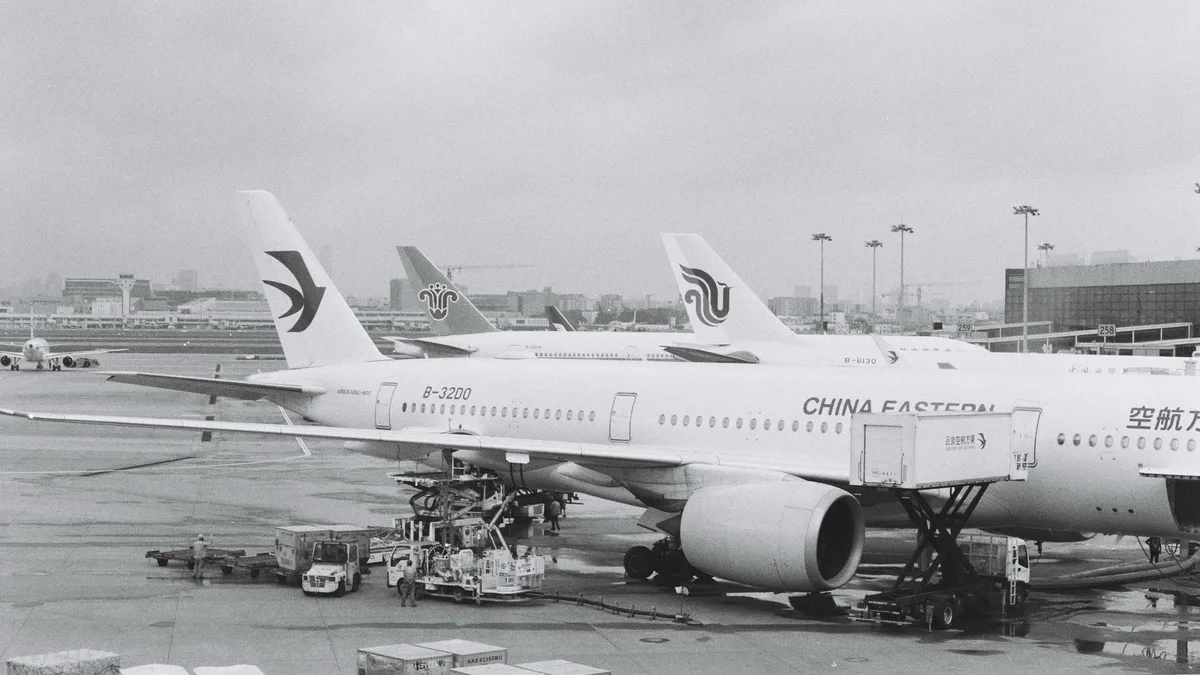
China-Europe ecommerce air cargo slumps 65% after EU fee
Low-value ecommerce exports from China to the EU fell 65% year-on-year in August, following a new €3-per-item fee, with air cargo flows rapidly...
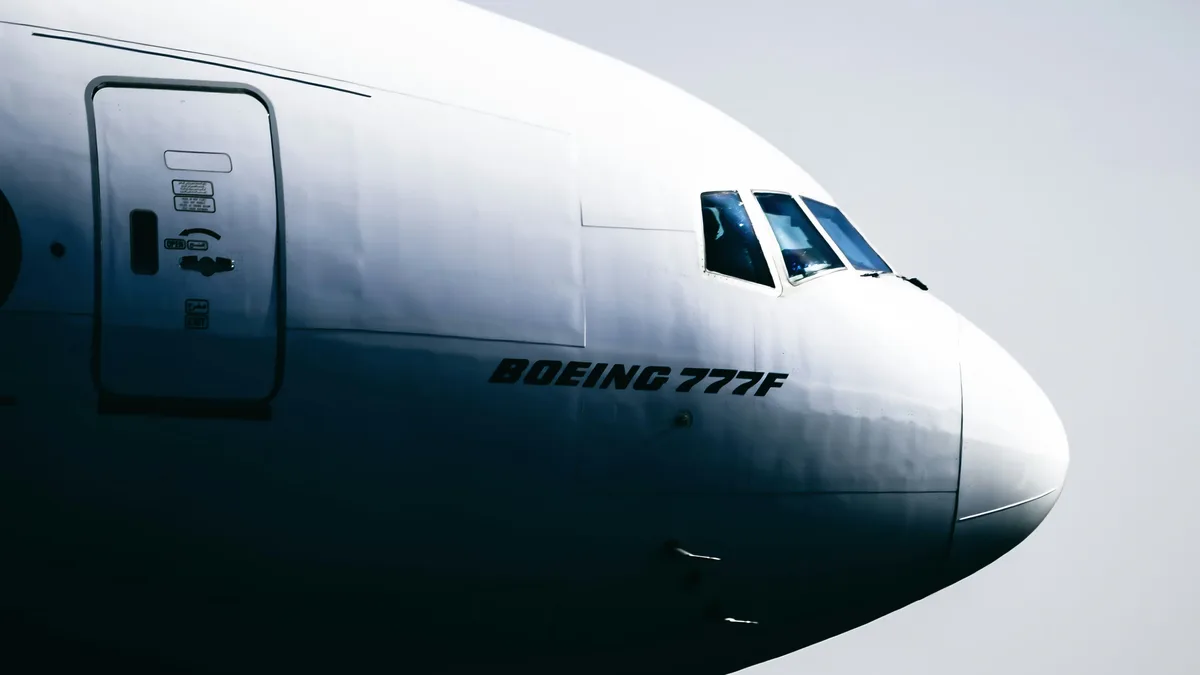
FAA grants Boeing 777F three-year exemption
US regulators have allowed Boeing to build up to 35 new 777F freighters beyond 2027, citing a global shortage of large cargo aircraft and delays to...
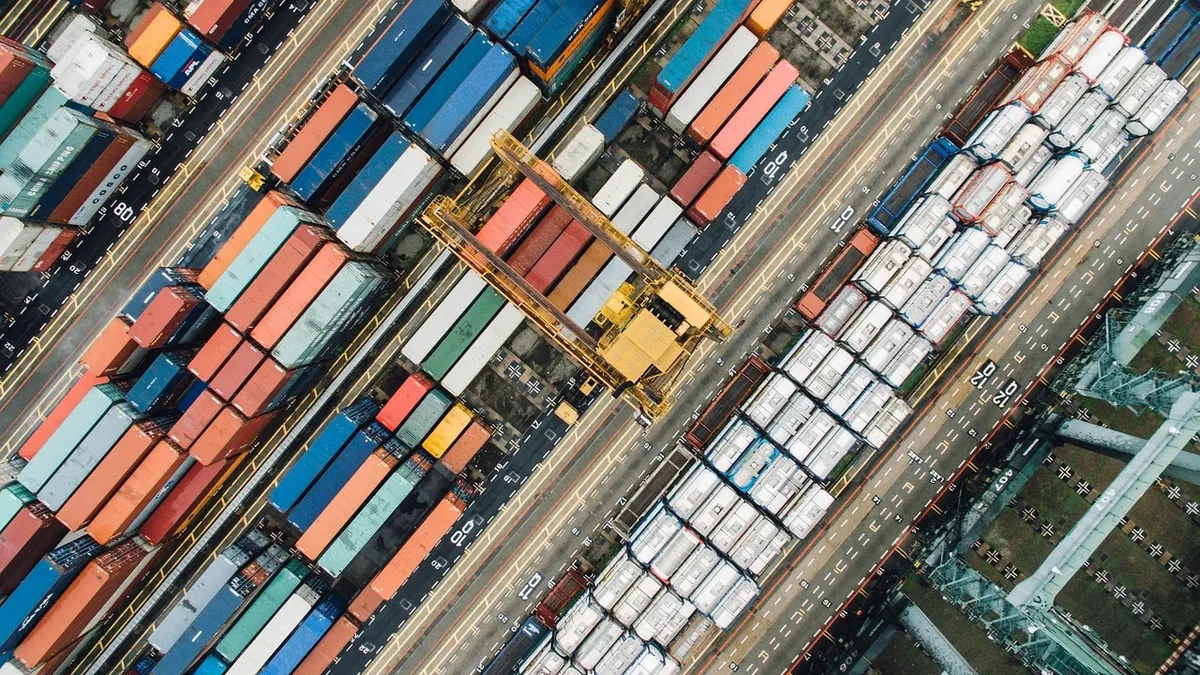
Rail container delays rise at Los Angeles-Long Beach ports
Container dwell times for rail-bound cargo increased to 6.75 days in August at the Los Angeles-Long Beach port complex, while truck-bound cargo times

AI Hardware Demand Splits Asian Air Cargo Export Market
The Asian air cargo export market is entering peak season divided, with strong AI-related demand boosting transpacific volumes while new EU e-commerce
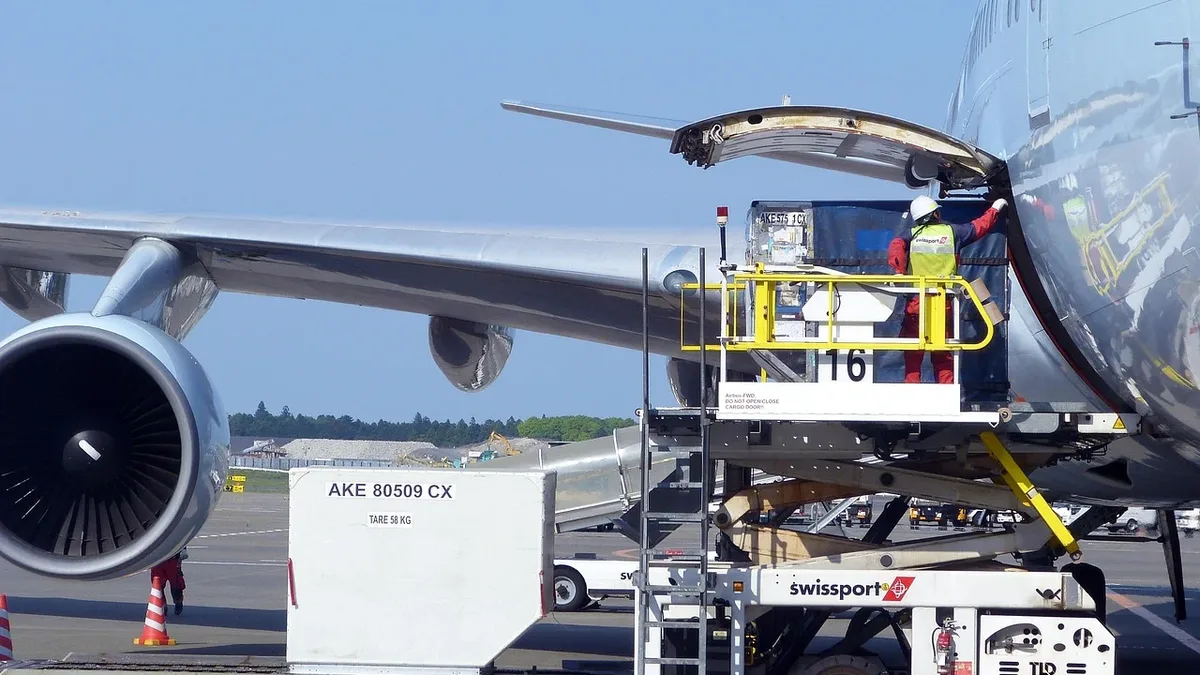
Amazon Cargo Jet Crash at Miami International Airport
An Amazon Air cargo plane crashed at Miami International Airport, killing five people and injuring five others.

CargoNet Tracks $31.8M Labor Day Thefts
CargoNet reports $31.8 million in cargo thefts over Labor Day periods from 2021 to 2025, with a 70% increase in incidents.