US rebuilds Subic Bay as unbranded military hub
The US is restoring Subic Bay's wartime logistics role through commercial and dual-use arrangements, bypassing Philippine constitutional restrictions on permanent foreign bases.

The US is rebuilding Subic Bay in the Philippines as a forward military hub using commercial and dual-use infrastructure. This effort, which includes a new $40 million fuel depot, revives the facility's strategic role without establishing a formal permanent base.
The US withdrew from Subic Bay in 1992 after more than three decades of operation as one of America's largest overseas bases during the Cold War. The current approach avoids the constitutional restrictions tied to a formal permanent foreign base while seeking to revive the facility's wartime functions. Washington is using commercial leases, infrastructure aid, and rotational deployments to restore the former Philippine naval base. The Subic Bay effort shows how a major power can rebuild military capacity through commercial and dual-use channels.
Strategic Forward Hub for Taiwan Strait Linkage
Researchers from the National Institute for South China Sea Studies reported that Washington aims to establish Subic Bay as a forward hub underpinning strategic linkage between the Taiwan Strait and the South China Sea. Their Wednesday report detailed a US effort to rebuild a network of facilities including military logistics, fuel storage, ship repair, weapons stockpiles, and unmanned systems. In peacetime, Subic Bay will serve as an observation post for monitoring the South China Sea. In wartime, it will function as a logistics depot for force projection towards the Taiwan Strait.
Military Infrastructure and Equipment Transfers
The rebuilding effort involves significant infrastructure investment and equipment transfers. The most recent development was a US$40 million dual-use fuel storage depot at Subic Bay, announced during President Donald Trump's visit to Manila the week before November 27, 2026. In July, US Secretary of State Marco Rubio announced more than US$100 million to support upgrades of port infrastructure and fuel facilities. The network also includes transfers of unmanned vessels and aircraft to the Philippine military.
| Item | Quantity | Month/Period | Purpose/Notes |
|---|---|---|---|
| Funding for port & fuel upgrades | >$100 million | July 2026 | Announced by Secretary Rubio |
| Coast Guard vessels | 6 | July 2026 | Rotated to Subic Bay |
| Unmanned vessels | 4 | June 2026 | Transferred to Philippine military |
| T38 aircraft | 2 | Earlier in November 2026 | Transferred to Philippine military |
| Dual-use fuel storage depot | $40 million | Week before Nov 27, 2026 | Announced during Trump's visit |
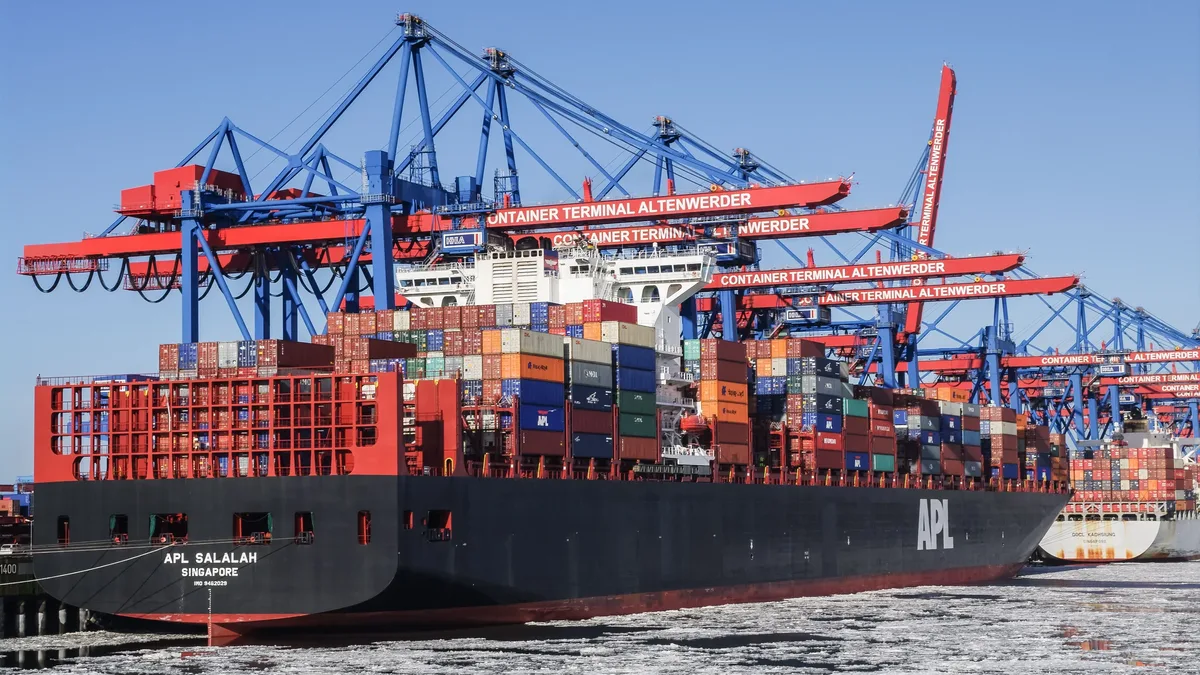
The US Trade and Development Agency supported efforts to expand ship repair capacity at Subic Bay, including additional berths and dry-dock facilities. The US approach uses commercial leases, private equity acquisitions, executive agreements, and dual-use infrastructure aid to sidestep constitutional restrictions. Researchers said, "Legally, everything appears temporary and civilian; functionally, it is indistinguishable from a military base."
China's Military Activity Near Subic Bay
Regional tensions were highlighted by a Chinese H-6 bomber flying within 45 nautical miles of the western coast of Luzon on the Saturday before November 27, 2026. The Philippine military tracked the flight. The H-6's flight path placed it directly off the approaches to Subic Bay and nearby air facilities. This activity shows the strategic context for the US rebuilding effort. The rebuilt Subic Bay facilities would affect where US logistics, fuel, and ship repair capacity sits in the Philippines and how quickly it could support operations near the Taiwan Strait.