FedEx Opens Major New Cargo Terminal at Guangzhou Baiyun Airport
FedEx has opened a 484,000-square-foot smart cargo terminal at Guangzhou Baiyun Airport, tripling processing capacity to over 28,000 shipments per hour to meet surging Greater Bay Area trade demand.
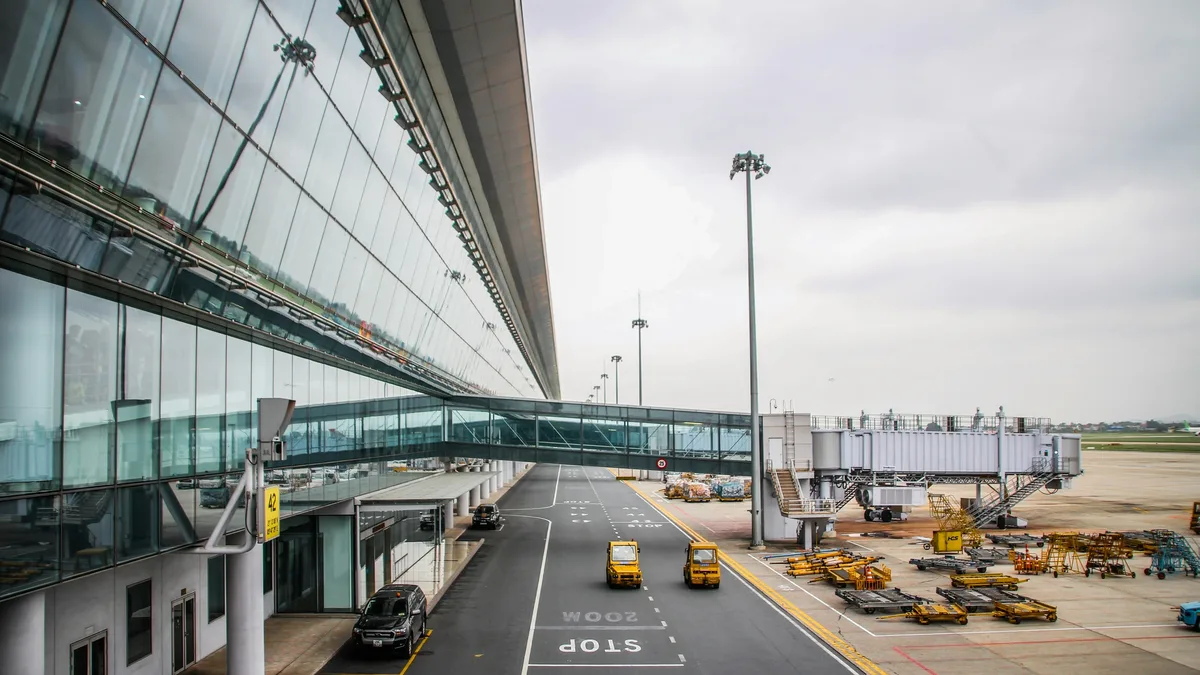
FedEx opened its expanded Guangzhou Baiyun Airport International Cargo Terminal 4 on November 16, 2026. The 45,000-square-meter facility integrates warehousing, sorting operations, and customs supervision capabilities. This development triples the company's processing capacity at the airport through intelligent sorting systems.
Capacity and Operational Scale
The new terminal spans 484,000 square feet. Its advanced systems enable it to handle up to 28,000 express parcels and freight shipments every hour at peak capacity. Annual cargo handling capacity now exceeds 110,000 U.S. tons, which is also stated as over 100,000 metric tons.
| Metric | Capacity |
|---|---|
| Facility Size | 484,000 sq ft (45,000 sq m) |
| Peak Hourly Shipment Processing | 28,000 shipments |
| Annual Cargo Handling | >110,000 U.S. tons (>100,000 metric tons) |
Sorting accuracy is maintained above 99% using digital documentation, pre-declaration, and intelligent alert systems. The terminal also reduces customs clearance times for customers.
Strategic Demand Drivers
FedEx pursued this expansion due to growing air cargo demand from shippers in the Greater Bay Area. This region includes Macau, Hong Kong, and nine cities in Guangdong province. It is a critical trade engine. In the first three quarters of 2026, the Guangdong-Hong Kong-Macao Greater Bay Area recorded imports and exports worth US$1.26 trillion. That figure accounts for 21% of China's total trade volume.
The terminal is designed to support connectivity between South China and key markets across Asia, Europe, the Middle East, and the Americas. Shipment volumes through Guangzhou are expected to grow following the launch.
Technology and Sustainability Features
The facility incorporates extensive automation and advanced technology. Features include RFID shipment tracking, a customs-supervised warehouse, and digital systems. Artificial intelligence and automation improve operational efficiency and shipment visibility.
Energy-efficient design is a key component. The terminal uses natural daylighting, smart lighting systems, and intelligent energy management. It employs electric forklifts and features green landscaping. These elements support FedEx's corporate commitment to achieving carbon-neutral operations by 2040.
The project was developed in collaboration with the Guangdong Airport Authority. FedEx CEO Raj Subramaniam attended the opening ceremony. Salil Chari, a Fed executive, highlighted the strategic importance. "The future of trade depends on reliable connectivity, resilient supply chains, and access to global markets," Chari said.
This opening is part of a broader pattern of infrastructure investment by FedEx over the past 18 months. The company continues to invest in airport projects while simultaneously decreasing its overall capital expenditure. This dual strategy aims to reduce excess network capacity and improve profitability. Recent moves include transitioning to a new terminal at Istanbul airport in September 2025. The company has also announced plans for new air logistics hubs in Mumbai, India, and Saudi Arabia. FedEx continues investing in airport infrastructure projects across its network while optimizing capital expenditure for profitability.