Chemical Distributors Warn Rail Merger Threatens Competition
The Alliance for Chemical Distribution warns the proposed Union Pacific-Norfolk Southern merger would concentrate control of nearly half of U.S. rail freight, risking higher costs and service failures for small shippers as regulators question its public benefit.
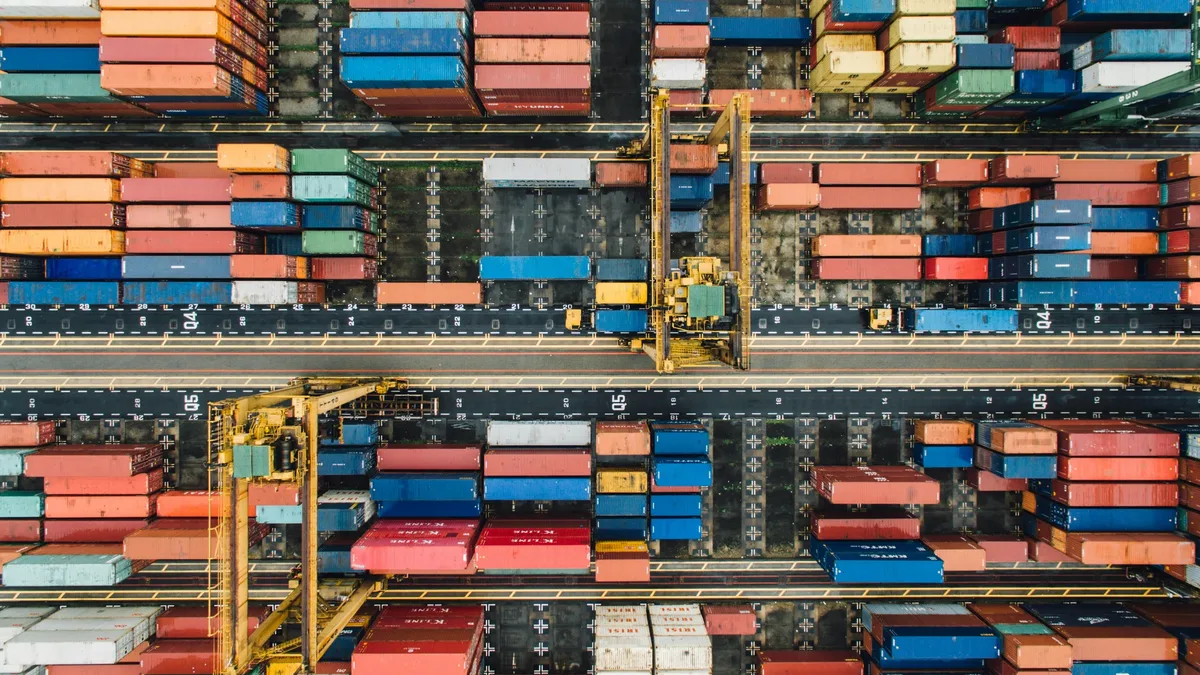
The Alliance for Chemical Distribution warns the Union Pacific-Norfolk Southern merger would consolidate 40% to 46% of U.S. rail freight under one operator. Chris Jahn, President and CEO of the American Chemistry Council, stated the deal is bad for American manufacturing and would give a single railroad control over nearly three-quarters of chemical rail traffic in Texas. The Surface Transportation Board, the regulatory body reviewing the application, has pushed back multiple times, requesting more information and leaning toward rejection over transparency concerns.
Nearly 40% of ACD members reported unsatisfactory rail service in the group’s most recent survey. That figure is up from approximately 25% in early 2025. The alliance represents hundreds of small chemical manufacturers and distributors, many family-run businesses with annual sales around $35 million and 25 to 30 employees. Roughly two-thirds of its members engage in manufacturing activities like blending or mixing alongside distribution.
Shippers face immediate service risks
Small chemical shippers with products that have a 120- to 180-day shelf life risk losing customers due to delayed rail service. Service disruptions, such as unreturned phone calls affecting terminal staffing, can reduce workers from five or six to just two or three. The merger would extend one railroad's control over nearly half of the nation's rail network. Promises of a truck-to-rail boom are viewed skeptically, as many of those promised shipments lack the necessary rail access and infrastructure to make the switch.
The damage would not stop with Union Pacific and Norfolk Southern customers. The merger could disrupt traffic across the broader rail network, increasing costs and degrading service on all railroads. This could result in higher prices and delays for all consumers. Putting more traffic under one railroad does not eliminate switching, local-service, and reliability problems.
Regulators reject merger's public interest claims
The Surface Transportation Board cites a lack of transparency and a failure to demonstrate public interest. Its 2001 merger rules require the transaction to show public benefit and include meaningful plans to increase rail-to-rail competition. The applicants have had several opportunities to prove the merger enhances competition and serves the public interest. They have failed at every turn.
The merger application offers no meaningful plan to increase rail-to-rail competition. Union Pacific and Norfolk Southern have not offered meaningful or enforceable conditions to address shipper concerns. The lack of transparency and reports of retaliatory behavior raise serious questions about the fairness and integrity of the process. Shippers need meaningful protections and demonstrable evidence that the transaction will not further undermine competition.
Industry coalitions unite against consolidation
Major trade groups filed joint comments with the STB on November 19, 2026, opposing the merger. The coalition includes the Alliance for Chemical Distribution, the American Chemistry Council, the American Fuel & Petrochemical Manufacturers, the National Industrial Transportation League, and The Fertilizer Institute. These groups represent chemical, fertilizer, and petroleum producers shipping millions of carloads each year.
Chet Thompson, President and CEO of the American Fuel and Petrochemical Manufacturers, stated the merger threatens competitive rail networks and higher prices for manufacturers and consumers. Nancy O’Liddy, Executive Director of the National Industrial Transportation League, stated the deal would place a majority of the nation's rail movements under one railroad's control. Corey Rosenbusch, President and CEO of The Fertilizer Institute, stated fertilizer companies face unreliable local rail service and the merger risks deepening service challenges for critical carload shippers.
Eric Byer, CEO of the Alliance for Chemical Distribution, stated the organization’s odds of blocking the merger have shifted from a 1-in-10 chance to a 60/40 chance in opponents’ favor. He also stated Union Pacific is trying to intimidate and belittle shippers' legitimate concerns. The Surface Transportation Board must decide whether to reject the merger due to transparency concerns and failure to demonstrate public interest under its 2001 merger rules.