Air India, IndiGo Safety and Financial Woes
Safety incidents and financial losses at India's dominant airlines, Air India and IndiGo, highlight systemic challenges in the country's aviation sector
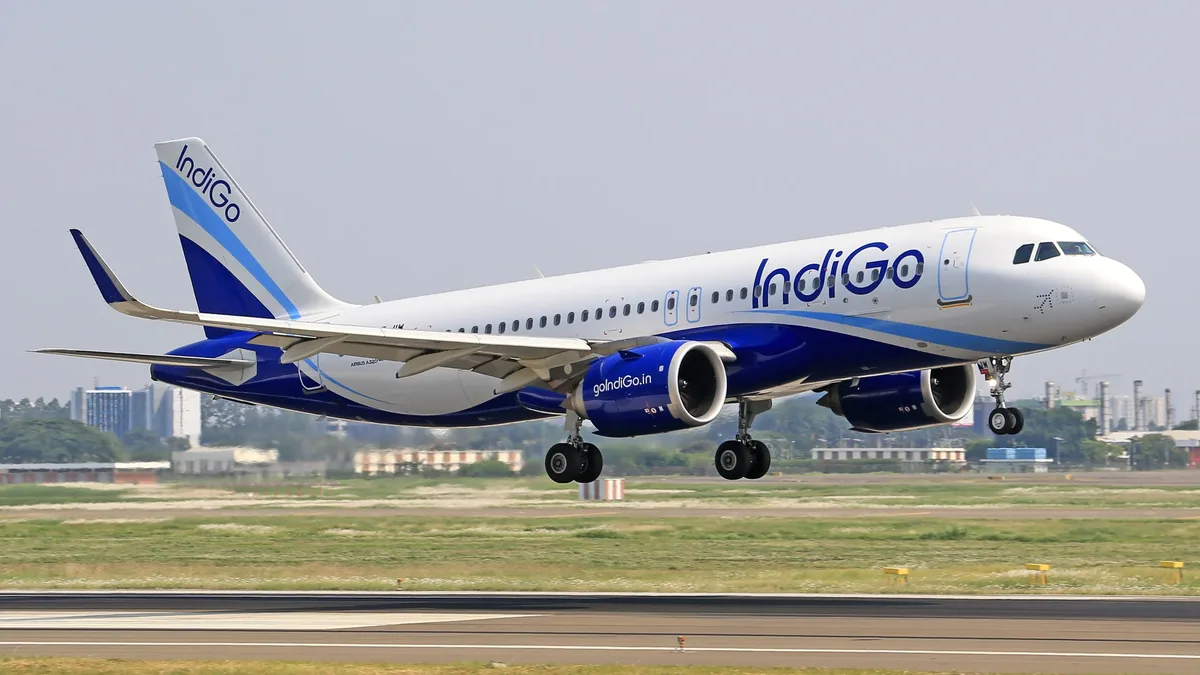
A series of crises at India's two main carriers has exposed safety and regulatory shortcomings in the world's third-largest domestic aviation market. Air India and IndiGo together account for nine out of 10 domestic airline seats, according to the source report from AFP.
Earlier this month, an Air India flight from Phuket to New Delhi plunged 91 meters midair, injuring 24 passengers. Reports indicated the captain tested positive for marijuana upon landing, prompting the airline to order a one-time drug screening of all pilots. Initial findings from an investigation are expected in the coming weeks.
This incident is part of a broader pattern that has kept Air India under scrutiny. A parliamentary panel report cited an unrelated audit that identified around 100 safety lapses at the airline. The audit found seven violations requiring "urgent corrective action" and "recurrent training gaps" for Boeing 787 and 777 pilots.
Mounting Financial Pressures
Safety concerns coincide with severe financial strain. Indian carriers are navigating the closure of Pakistani airspace since tensions escalated last year, forcing longer and costlier routes. Rising jet fuel prices linked to the Middle East war have added to the burden.
Ratings agency ICRA estimates Indian airlines will lose nearly US$4 billion this fiscal year. Air India's losses more than doubled to US$2.3 billion in the last fiscal year. IndiGo has reported losses for two consecutive quarters.
The financial pressure is affecting expansion. IndiGo shut down its wide-body operations last month. Air India is reportedly considering delaying deliveries of as many as 500 aircraft.
Regulatory and Structural Challenges
Industry experts criticize regulatory oversight. "The DGCA acts more like a facilitator than a regulator," said former airline operations chief Shakti Lumba, referring to the aviation regulatory body. Concerns about regulatory failure came to the fore last year when IndiGo cancelled large numbers of flights after failing to prepare for new pilot fatigue rules. Parts of these new rest rules were temporarily suspended.
The market's duopoly complicates regulation. Seven major airlines have either collapsed or been sold in the past two decades, making it harder to penalize the two remaining major players. Mark Martin of Martin Consulting said the duopoly in India resembles a "bunch of territorial gangs."
The government has stated India needs "five big airlines," and regulators have since approved plans for two new carriers. Authorities are also examining a proposal to relax rules preventing airport operators from owning airlines. This could open the door for conglomerates like the Adani Group.
However, attracting investors may not solve core problems. "The cost structure has always been very hostile," said Harsh Vardhan, chairman of Starair Consulting. He argued this is a primary reason new operators have failed to make a breakthrough. Vardhan highlighted a contradiction, noting the sector is called a "sunshine sector" while everyone tries "to ride the industry's success at the cost of profitability."