Energy Efficiency And Eco Labelling Requirements
| Tariff line | 9801.00.00 |
|---|---|
| Agreement | Canada–United States–Mexico Agreement (CUSMA) |
| Product scope | Certain energy-efficient and eco-labelled goods |
| Purpose | To facilitate trade in qualifying goods by providing duty-free treatment |
| Requirements | Must meet specified energy efficiency or environmental performance standards |
| Documentation | Certification or label from recognized authority typically required |
| Administering authority | U.S. Customs and Border Protection |
Origin and history
Energy Efficiency and Eco Labelling Requirements as a formal regulatory concept originated in the late 20th century, primarily in Europe and North America. The development was driven by governmental responses to the oil crises of the 1970s and growing environmental awareness. Germany's Blue Angel program, established in the late 1970s, is often cited as one of the first national eco-labelling schemes. In the United States, federal appliance efficiency standards began to be implemented in the late 1980s. These regional initiatives evolved into more structured, often mandatory, requirements that were later incorporated into international trade agreements. The integration of such standards into trade policy reflects a shift from purely domestic environmental policy to instruments with international market implications.
What it is for
These requirements are designed to mandate or incentivize the production and importation of energy-efficient and environmentally preferable products. Their primary purpose is to reduce overall energy consumption and associated greenhouse gas emissions at a national or regional level. A secondary objective is to reduce other environmental impacts across a product's lifecycle, such as resource depletion, water use, and waste generation. By setting a common benchmark, they aim to eliminate the least efficient products from the market, driving technological innovation. They also serve to inform consumers about the environmental performance of products, enabling more sustainable purchasing decisions. Furthermore, they function as technical regulations within international trade, potentially serving as non-tariff barriers to protect domestic industries that already comply with higher standards.
Overview
Energy Efficiency and Eco Labelling Requirements are technical regulations or voluntary standards that products must meet to be sold in a particular market. They typically specify maximum energy consumption levels or minimum efficiency ratios for appliances, lighting, and other energy-using products. Eco-labelling criteria extend beyond energy use to include factors like recyclability, toxic substance content, and emissions during use. Compliance is often demonstrated through third-party testing and certification by accredited bodies. These requirements are implemented through a combination of mandatory minimum energy performance standards (MEPS) and voluntary or mandatory information labels, such as the EU Energy Label or ENERGY STAR. The specific thresholds and covered product categories are frequently updated to reflect technological advancements and increasing climate targets.
What to know
Manufacturers and importers must understand that these are dynamic regulations, with performance thresholds that regularly become more stringent. Non-compliance typically results in the product being barred from sale in the jurisdiction, not merely a financial penalty. The cost of compliance, including testing and certification, is almost always borne by the producer or importer, not the regulatory body. Requirements can vary significantly between major markets like the European Union, the United States, and China, making global product compliance complex. Many eco-labels require a full lifecycle assessment, meaning material sourcing and end-of-life disposal are considered alongside operational efficiency. It is critical to verify whether a label is self-declared by the manufacturer or requires independent verification, as this affects its legal standing and consumer trust.
Common questions
A common question is whether a product certified under one region's scheme, like ENERGY STAR, is automatically valid for another, like the EU label; it is not, as criteria and test methods differ. Importers often ask if these requirements apply to all models in a product family; usually, each model must be certified individually, though family grouping may be permitted under specific rules. Businesses inquire about the lead time for certification, which can take several weeks or months depending on the product complexity and testing backlog. Many ask about the validity period of a certification, which is typically until the regulation is revised or the standard is updated, not perpetual. A frequent question concerns the difference between a Type I eco-label (third-party verified, multi-criteria) and a Type II label (self-declared environmental claims). Companies also commonly seek clarification on whether components or finished products are subject to the requirements, with regulations generally targeting the final goods placed on the market.
Pros and cons
A significant advantage is the proven reduction in national energy demand and consumer utility bills over the product's lifetime, delivering long-term economic and environmental benefits. They effectively remove the worst-performing products from the market, creating a competitive race to the top in efficiency. A clear con is the increased upfront cost for manufacturers in redesigning products and for consumers in purchasing them, which can disproportionately affect lower-income households. Small and medium-sized enterprises, especially in developing countries, often struggle with the complexity and cost of compliance, potentially locking them out of export markets. A common mistake is for companies to view certification as a one-time event, failing to monitor regulatory updates that can render their products non-compliant overnight. Many retailers regret stocking products with lower-tier labels as consumer preference shifts rapidly towards the highest efficiency classes, leaving them with obsolete inventory.
Who it suits
These requirements suit large, established manufacturers with dedicated compliance and research and development departments capable of continuously innovating to meet rising standards. They benefit consumers who prioritize long-term operating cost savings over initial purchase price and who intend to use the product for its full lifespan. The regulatory environment is well-suited for governments and policymakers aiming to meet climate commitments and reduce peak energy demand without direct subsidies. It is less suited for markets where immediate affordability is the sole purchasing criterion and where consumers lack access to financing for higher upfront costs. The system also suits utilities and energy providers seeking to lower grid stress and avoid building new power generation infrastructure. It is particularly challenging for manufacturers of highly specialized, low-volume, or innovative products where the fixed cost of certification represents a disproportionately large barrier to market entry.
Latest Energy Efficiency And Eco Labelling Requirements news
Latest reporting

VesselBot analysis reveals 31% emissions gap
A new analysis of over 86,000 container voyages in Q2 2026 shows fleet-wide emissions intensity rose 1.5%, masking efficiency gains in most vessel...
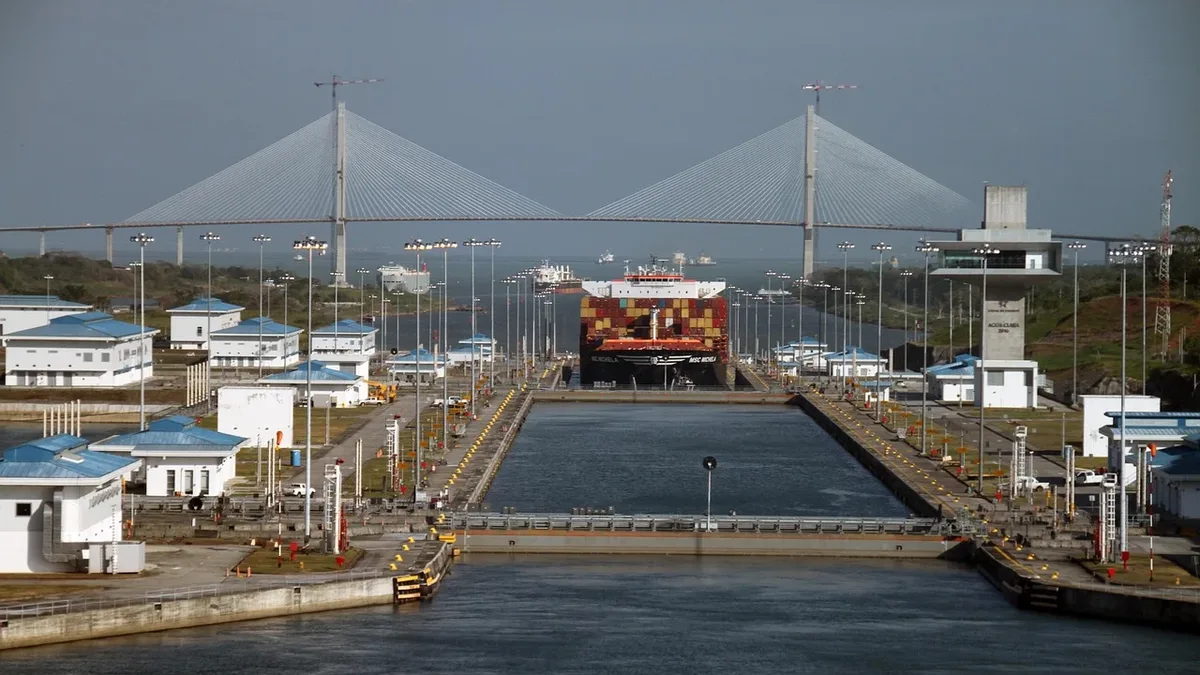
SK Gas pays record $5.3M for Panama Canal
SK Gas Ltd. Paid a record $5.3 million for a Panama Canal transit slot on Sept. 1, as drought restrictions and global energy pressures create...

NHTSA Ends Truck Engine Efficiency Power
The Trump administration's NHTSA has reinterpreted federal law, stating it lacks authority to set fuel-efficiency rules for standalone truck engines...

Norfolk Southern's 'Golden Triangle' Strategy Drives Growth in Rail Logistics
Norfolk Southern's executive vice president and chief commercial officer, Ed Elkins, discusses the company's 'Golden Triangle' strategy and its...