
De Minimis Thresholds And Low Value Consignment Rules
| Agreement | WTO Trade Facilitation Agreement (TFA), Article 7.1 |
|---|---|
| Threshold value | Varies by member country |
| Purpose | To exempt low-value shipments from full customs formalities |
| Goods coverage | Limited to shipments below the declared value threshold |
| Formalities exempted | Typically full customs declaration and payment of duties/taxes |
| Administrative procedure | Usually a simplified declaration or no declaration |
Origin and history
De Minimis thresholds and Low Value Consignment rules are administrative concepts with origins in national customs legislation and international trade agreements. Their modern, widespread adoption accelerated in the late 20th century alongside the growth of global postal and courier networks. The core principle of exempting negligible-value shipments from full customs procedures is a long-standing practice in many jurisdictions to reduce administrative burdens. The specific rules were formalized and harmonized to a degree by international bodies like the World Customs Organization, which provides guidelines. The European Union has had various iterations of a Low Value Consignment Relief scheme for decades, with significant changes occurring in the early 21st century. The United States has maintained a de minimis threshold since at least the 1930s, with its value and application evolving through legislative acts.
What it is for
These rules exist to streamline customs processing for low-value goods, preventing the cost of assessment and collection from exceeding the revenue generated. They facilitate efficient international trade, particularly for small parcels and business-to-consumer e-commerce shipments. The system reduces paperwork and delays for importers, customs authorities, and logistics carriers handling high volumes of small packages. A key purpose is to remove a barrier to cross-border trade for consumers and micro-businesses purchasing goods of minor value. The thresholds are designed to balance trade facilitation with the protection of domestic markets and the collection of legitimate duties and taxes. They also serve to focus limited customs enforcement resources on higher-value and higher-risk shipments.
Overview
A de minimis threshold is a value limit below which imported goods are exempt from paying customs duties and, in many cases, import taxes like value-added tax. A Low Value Consignment rule is a specific regulatory framework that applies this principle, often defining the procedural requirements for such shipments. These rules are set unilaterally by individual countries or customs territories, leading to significant global variation in applicable values and conditions. Typically, the rules require a formal customs declaration even for exempt goods, though often in a simplified or aggregated form. Goods subject to absolute prohibitions, restrictions, or anti-dumping duties are usually excluded from these reliefs regardless of value. The administration of these rules is a key interface between modern e-commerce logistics and traditional customs control systems.
What to know
The specific monetary threshold varies drastically by country, ranging from as low as zero in some nations to several hundred dollars in others, and it is subject to legislative change. Many jurisdictions differentiate between duty exemption and tax exemption, with a lower threshold often applied for value-added tax or goods and services tax relief. The declared value for assessment usually includes the cost of the goods, insurance, and freight up to the point of import. Rules often stipulate that the relief applies per consignment to a single recipient on a single day, not per item within a parcel. Some countries have entirely abolished such thresholds for online purchases, applying taxes on all imported goods regardless of value. It is the importer's responsibility, often the purchaser, to be aware of the destination country's specific rules and any associated reporting requirements.
Common questions
A common question is whether shipping costs are included in the declared value for determining if a shipment is under the threshold, and the answer is almost always yes. People frequently ask if gifts are treated differently, and while some countries have a separate gift allowance, many now apply the same de minimis rules to all imports. Many wonder if multiple orders from the same seller can be consolidated to stay under the limit, but customs authorities typically assess the total value of goods arriving in one consignment. A recurring question concerns who is liable if a shipment is mis-declared as under the threshold, and liability usually falls on the importer, potentially leading to penalties. Individuals often ask about the difference between duty and tax, as a shipment under the duty de minimis may still be subject to domestic consumption taxes. Businesses regularly inquire about the rules for sending multiple low-value packages, as some regimes require periodic bulk reporting even for exempt shipments.
Pros and cons
A primary advantage is the significant reduction in administrative costs for both customs authorities and traders, freeing resources for higher-risk compliance activities. For consumers and small businesses, it lowers the final cost and simplifies the process of acquiring low-value goods from abroad, fostering market access. A major disadvantage is the potential for abuse, such as the deliberate splitting of shipments to exploit the threshold, which undermines fair competition and tax collection. Domestic retailers, particularly in countries with high thresholds, often argue it creates an unfair competitive disadvantage against foreign online sellers who benefit from the tax exemption. The complexity and lack of global standardization can create a compliance trap for unsuspecting importers who may face unexpected charges and delays. Authorities sometimes regret setting thresholds too high as it can lead to significant forgone revenue and increased enforcement challenges in verifying declared values.
Who it suits
This system suits high-volume logistics carriers and postal operators by allowing streamlined processing for the vast majority of low-value, low-risk parcels. It suits consumers and micro-enterprises engaging in occasional, low-value cross-border e-commerce purchases, minimizing cost and complexity. Large e-commerce marketplaces and platforms benefit when predictable, simplified rules facilitate smoother international order fulfillment for their sellers. It suits customs administrations with limited resources, enabling them to focus physical and documentary checks on consignments of greater fiscal or regulatory concern. The rules are less suited for businesses regularly importing commercial quantities of goods, as they must navigate full customs procedures regardless of individual parcel value. It is poorly suited for domestic retailers operating in a high-de-minimis environment, who compete directly with untaxed imports and may view the rules as a structural market disadvantage.
Latest De Minimis Thresholds And Low Value Consignment Rules news
Latest reporting
Russia's WTO Challenge to EU Carbon Levy Triggers Panel
A WTO dispute panel will examine Russia's claims that the EU's carbon border adjustment mechanism and emissions trading scheme violate trade rules...
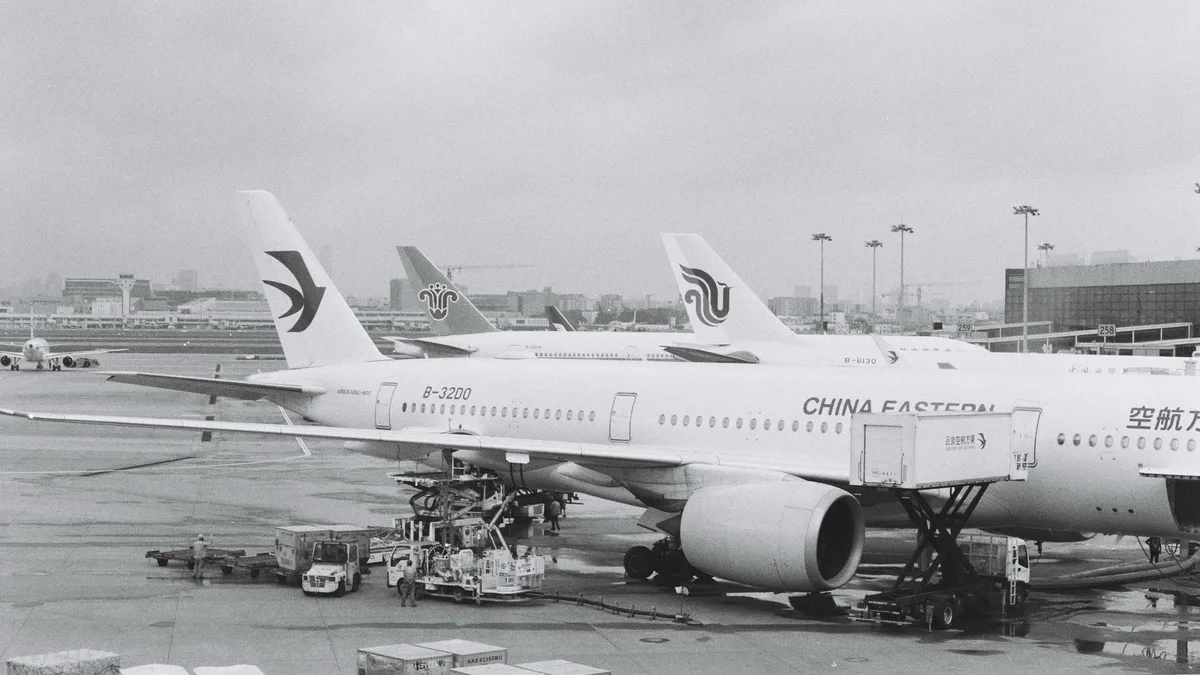
China-Europe ecommerce air cargo slumps 65% after EU fee
Low-value ecommerce exports from China to the EU fell 65% year-on-year in August, following a new €3-per-item fee, with air cargo flows rapidly...

FMCSA Issues 3-Month HOS Waiver for Fuel Haulers
The Federal Motor Carrier Safety Administration has granted a nationwide waiver suspending standard Hours of Service rules for drivers transporting...
Fulfillment Margins Collapse as Parcel Costs Outpace Revenue
Operator margin cushions plummeted from 9.7% to 0.6% in Q2, driven by parcel shipping costs rising 13% year-over-year while gross merchandise value...

Class 8 Truck Orders Stay High as 2027 Emissions Rules Loom
North American Class 8 truck orders remained strong in August, 42% above last year, as fleets prepare for costly new EPA emissions standards set for...

H-2A Truck Drivers Must Meet English Rules
The U.S. Department of Labor has clarified that seasonal agricultural truck drivers on H-2A visas are subject to the same federal English-language...