Port of Los Angeles Sets Monthly Cargo Record in September 2026
The Port of Los Angeles handled a record 1,042,652 twenty-foot equivalent units in September 2026, its busiest month in 118 years, driven by surging imports and shifting global trade routes.
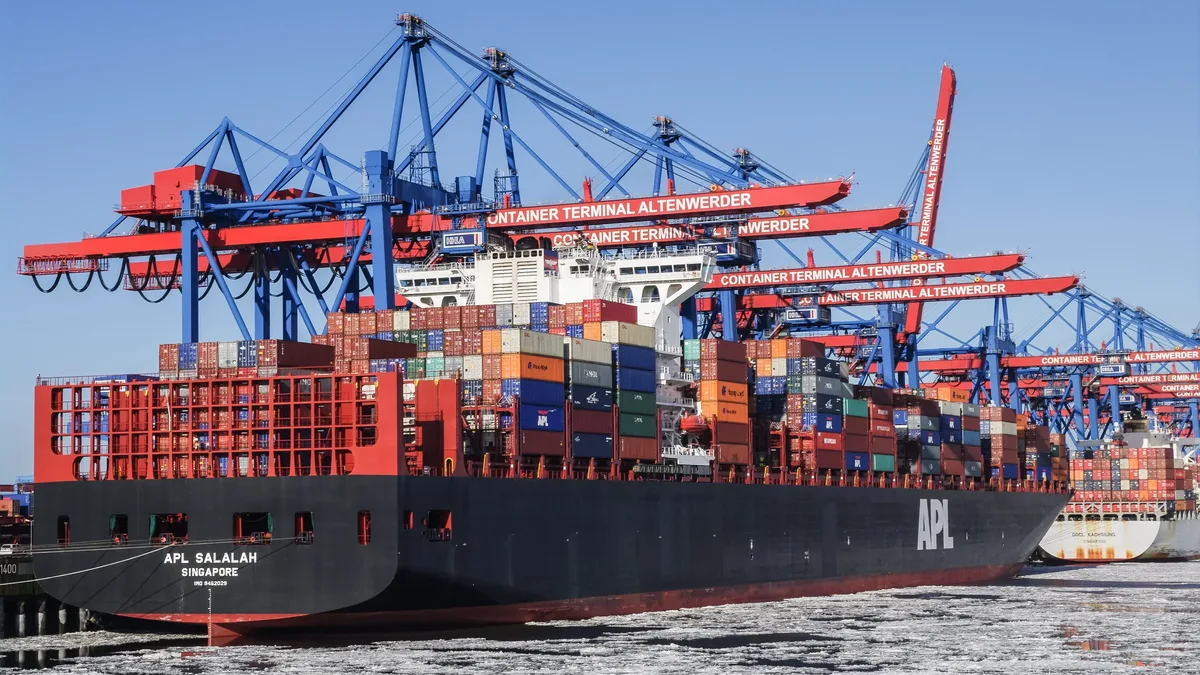
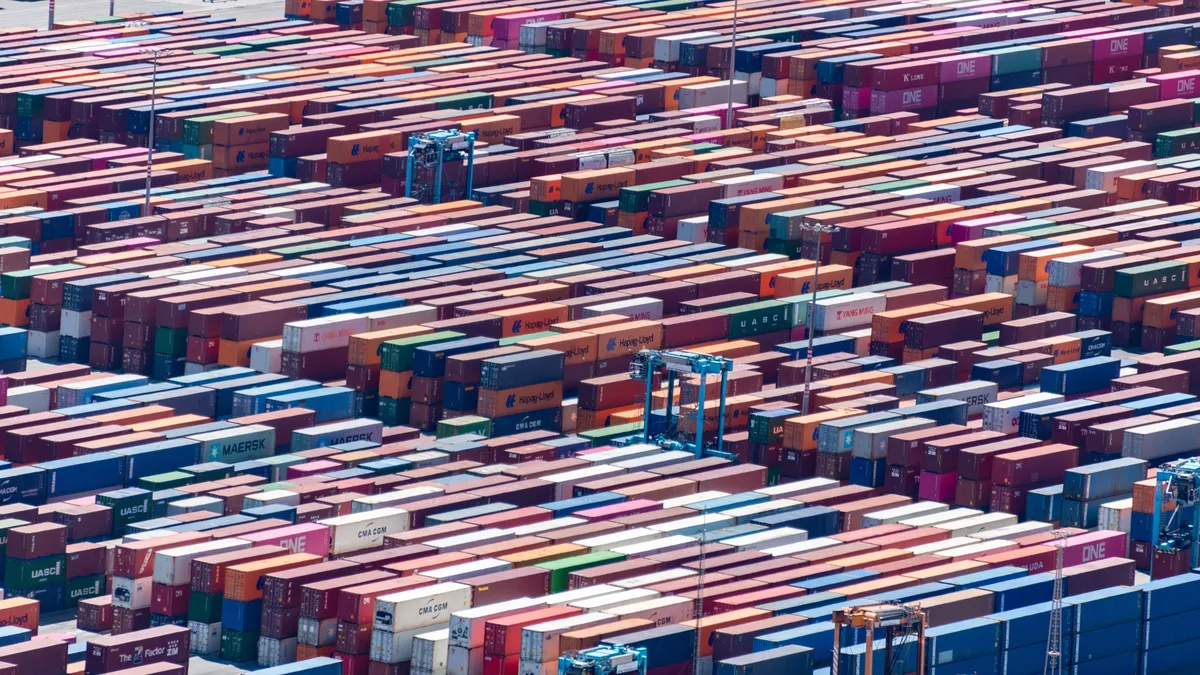
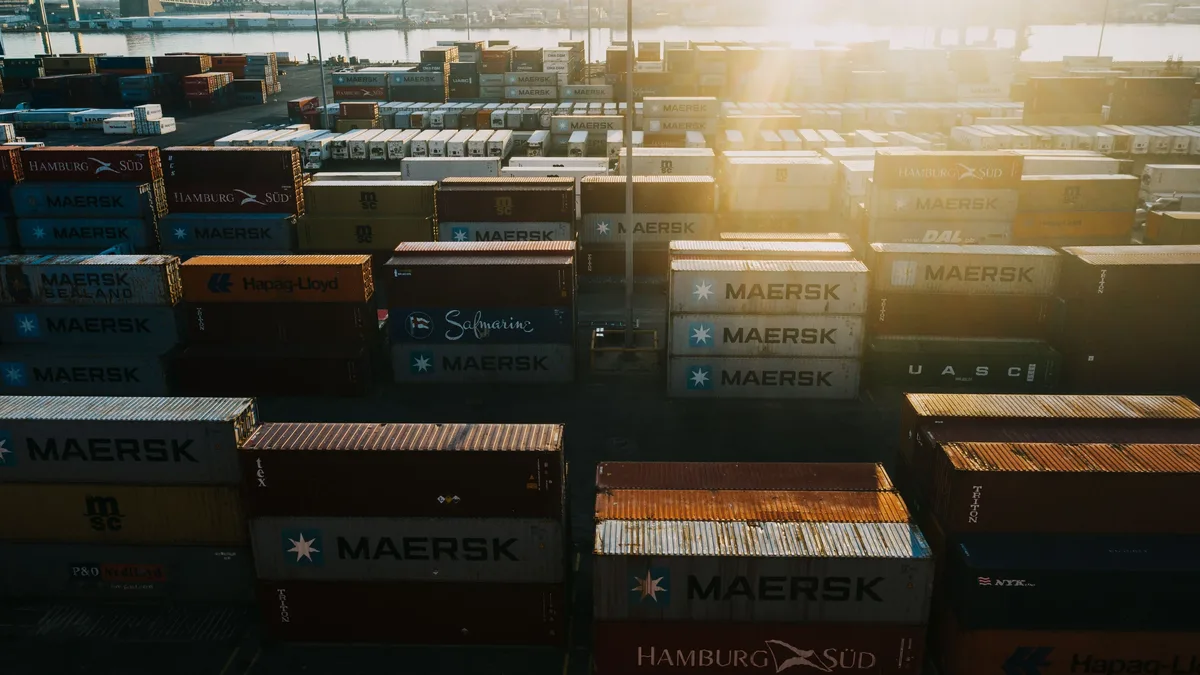
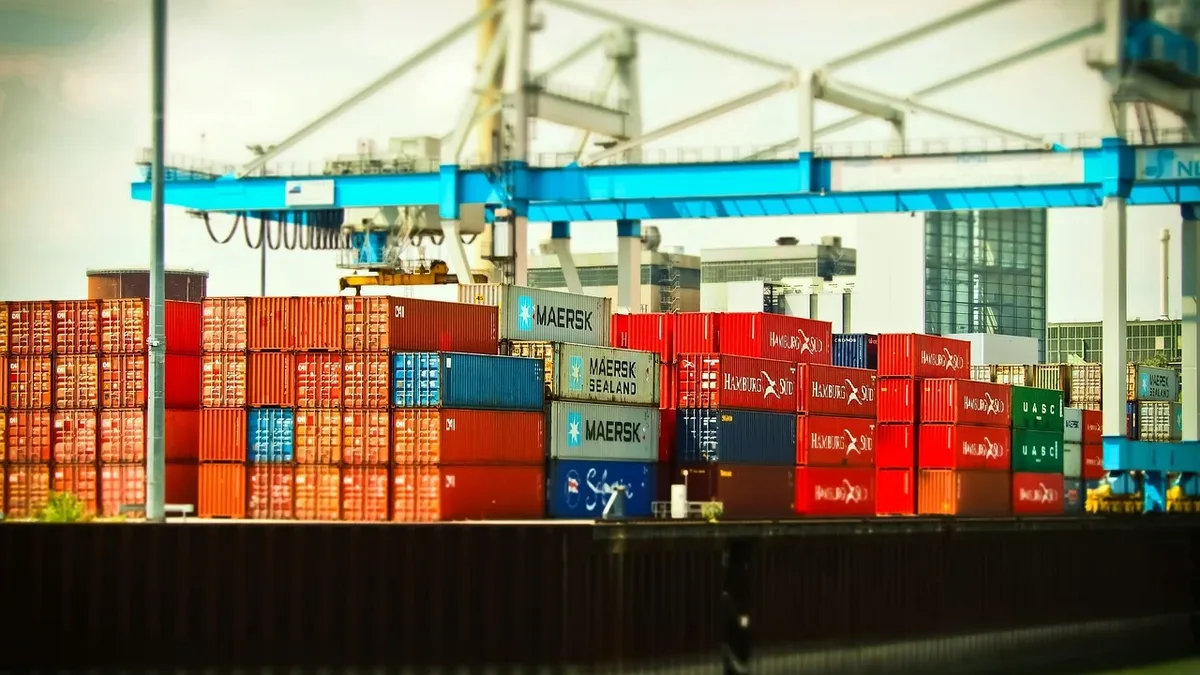
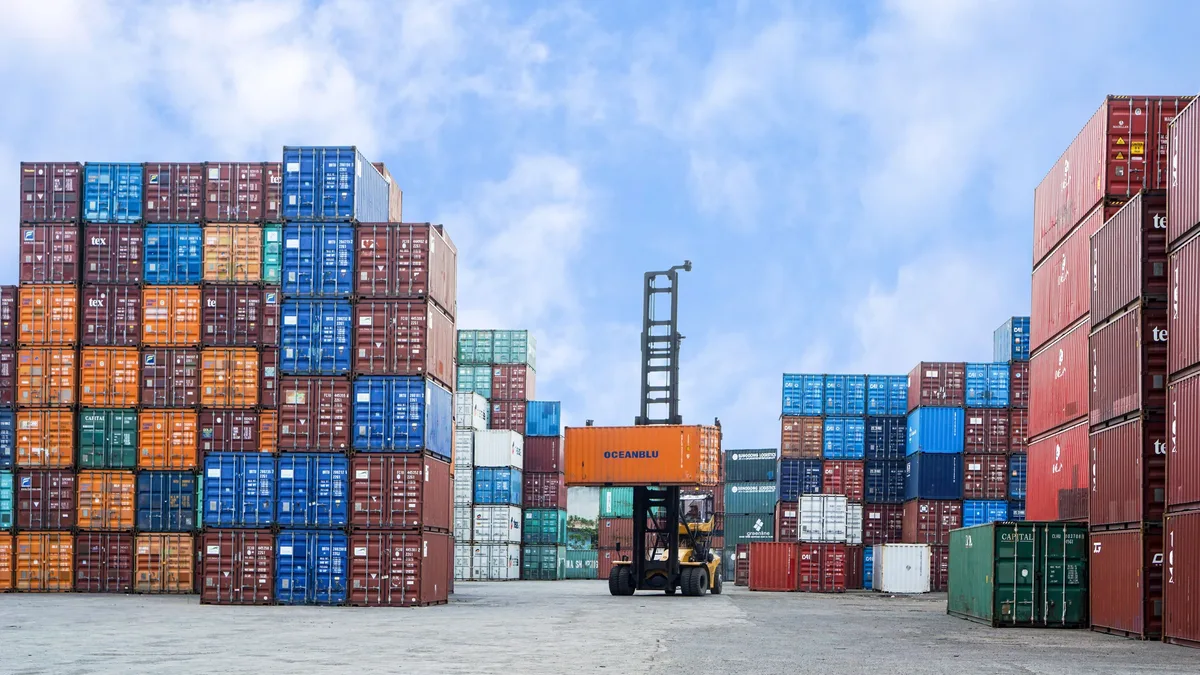
The Port of Los Angeles handled 1,042,652 twenty-foot equivalent units (TEUs) in September 2026, setting a new monthly record. This volume, the highest ever for any port in the Western Hemisphere, exceeded the previous record set in July 2025 by 23,000 TEUs. Import volumes reached 545,696 TEUs, a figure 19 percent higher than September 2025 and 26 percent above the port's five-year average for the month. It was only the tenth time in the port's history it handled such import volume.
Loaded exports increased 10 percent year-over-year to 125,751 TEUs. Empty-container movements also hit a historic monthly high of approximately 371,206 TEUs. The record month contributed to a strong four-month stretch from June through September, where the port moved nearly 4 million TEUs. Through the first nine months of 2026, Los Angeles handled nearly 8.1 million TEUs, more than 3 percent ahead of the same period a year ago.
Global trade shifts boosting West Coast demand
Port Executive Director Gene Seroka attributed the cargo surge to resilient consumer demand and inventory replenishment. He cited security and environmental challenges along the Suez and Panama canals as key factors directing more shipments through Southern California. Restrictions on transits due to drought concerns at the Panama Canal are also helping West Coast ports gain share.
Shippers are allocating more freight to Los Angeles seeking reliable alternatives. Seroka pointed to a window of lower tariffs compared to earlier in 2026, providing importers with greater cost certainty. He also mentioned concern over the potential expiration of the U.S. agreement with China before it was extended last month. "September was a month for the record books, and it was part of an extraordinary run for the Port of Los Angeles," Seroka said. He described Los Angeles as the fastest and most reliable route from Asia to U.S. markets.
Mixed export performance and local economic impact
While imports surged, export performance was more subdued. Seroka said outbound volumes remain softer than normal due to ongoing challenges facing American farmers and manufacturers. He noted exporters such as farmers are still facing a headwind, even as the broader U.S. economy moves forward.
Los Angeles Mayor Karen Bass praised the port's role as an economic engine. She stated it creates good-paying, union jobs and maintains the city's status as a global trade competitor. "Los Angeles is strong because our Port is strong, and none of this would be possible without our talented, dedicated, and skilled workforce," Bass said. She credited the International Longshore and Warehouse Union for their work handling the record cargo volumes.
Context and outlook
The San Pedro Bay port complex, comprising Los Angeles and Long Beach, handled around 31 percent of all international waterborne container trade in the United States in 2025. The neighboring Port of Long Beach itself handled nearly 920,000 container units in August 2026, a 2 percent annual increase.
The near-term outlook remains positive despite typical seasonal softening. The port expects volumes in the range of 900,000 TEU in October 2026. Predicting volumes for November and December is harder, as retailers and importers have already built inventories. Cargo backlogs in China following two typhoons that interrupted port operations are also noted as a factor.
The September achievement shows the port's enduring role over its 118-year history. The port expects volumes in the range of 900,000 TEU in October 2026.