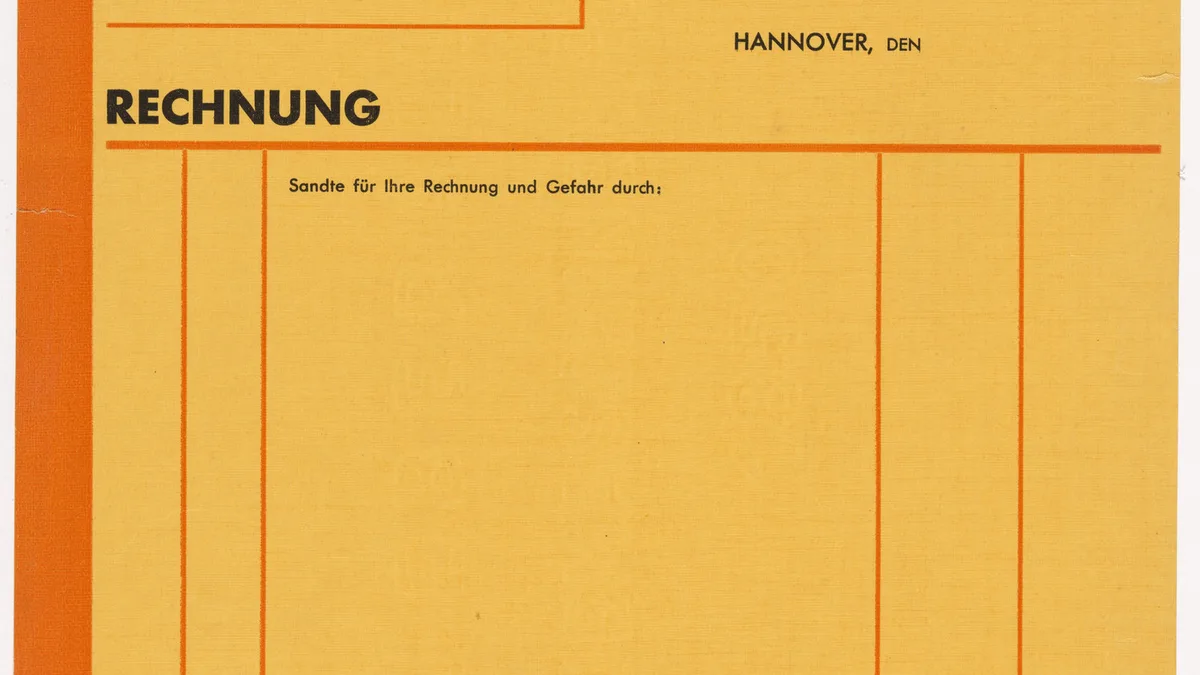
Invoice
What it covers
The Invoice covers the detailed breakdown of the goods or services provided, including the quantity, unit price, and total amount. It is a formal document that is essential for both the buyer and seller to confirm the transaction details. Invoices typically include information such as the date of the invoice, the names of the buyer and seller, and the terms of payment. They are crucial for record-keeping and can be used as a basis for claims or disputes.
Members
Members, in the context of an Invoice, refer to the parties involved in the transaction. The buyer is the entity that purchases the goods or services, while the seller is the entity that provides them. Both parties must ensure that the information provided in the Invoice is accurate and complete to avoid any misunderstandings or disputes. The Invoice serves as a legal document that binds both parties to the terms of the transaction.
Tariff schedule
The Tariff schedule is a list of duties and taxes imposed on imported goods. It is used to determine the applicable rates based on the type of goods and their country of origin. The tariff schedule can vary significantly between different countries and can change over time. Importers must consult the current tariff schedule to ensure they are aware of the correct duties and taxes they need to pay. This information is critical for calculating the total cost of the goods and planning the budget accordingly.
Rules of origin
Rules of origin determine the country of origin for goods, which is crucial for determining the applicable tariff rates and eligibility for preferential treatment. These rules can be based on the manufacturing process, the value added, or the percentage of materials sourced from a particular country. The rules of origin can vary widely between different trade agreements and countries. Importers must understand the specific rules of origin applicable to their goods to ensure they are correctly classified and eligible for the appropriate tariff rates.
How to claim preference
To claim preference, importers must ensure that the goods meet the specific criteria outlined in the relevant trade agreement. This typically involves providing documentation that verifies the origin of the goods, such as a Certificate of Origin. The process of claiming preference can involve additional steps, such as paying a lower tariff rate or avoiding duties altogether. Importers should familiarize themselves with the specific requirements and procedures for claiming preference to ensure a smooth process.
Status
The status of an Invoice reflects its current state in the transaction process. An Invoice can be in various stages, such as issued, paid, or disputed. The status is important for both the buyer and seller to track the progress of the transaction. For example, once an Invoice is paid, the transaction is considered complete. However, if there is a dispute, the status may indicate that further action is required. Keeping track of the Invoice status helps ensure that all parties are aware of the current state of the transaction.
News
News related to Invoices often revolves around changes in tariff schedules, updates in trade agreements, and new regulations. These changes can significantly impact the cost and process of transactions. Importers and exporters should stay informed about any updates or changes to ensure they are prepared for any adjustments. For instance, new tariffs or changes in the rules of origin can affect the total cost of goods and the eligibility for preferential treatment. Regularly checking for updates and staying informed can help businesses navigate the complexities of international trade effectively.