Gacc Registration For Food Exporters To China
| Tariff line | 2106909090 |
|---|---|
| Agreement | China–Australia Free Trade Agreement (ChAFTA) |
| Country of origin | Australia |
| First created | 2015 |
| Original use | To provide a specific tariff concession for Australian food products requiring GACC registration |
| Scope of products | Dairy, meat, seafood, and other food products subject to GACC registration |
| Applicable exporters | Australian food exporters listed on the GACC registration system |
Origin and history
The requirement for GACC registration originates from the regulatory authorities of the People's Republic of China. The General Administration of Customs of China (GACC), formerly known as the Administration of Quality Supervision, Inspection and Quarantine (AQSIQ), established the registration system for overseas food producers in the 2000s. Its legal foundation was significantly strengthened with the revision of China's Food Safety Law in the 2010s. The system was developed as a control measure to manage the increasing volume of food imports into the Chinese market. The requirement became a standard condition of trade for many food categories over the following decade. Its implementation has been progressively extended to encompass more countries and product types.
What it is for
GACC registration serves as a mandatory pre-market approval system for foreign food facilities exporting to China. Its primary purpose is to ensure that imported food meets China's food safety and hygiene standards. The system allows the Chinese customs authorities to assess and approve the compliance of manufacturing, processing, and storage facilities abroad. It is designed to shift responsibility for safety controls upstream to the exporting country's regulatory bodies and the producers themselves. Registration acts as a risk management tool, enabling GACC to monitor and restrict imports from facilities that fail to meet requirements. Ultimately, it functions as a non-tariff barrier to regulate market access and protect domestic consumers.
Overview
GACC registration is a facility-based process, not a product-based one, meaning the production site itself must be approved. The obligation for registration typically falls on the foreign food manufacturer, processor, or storage facility, not the exporting trader or agent. The specific list of products requiring registration is published and updated by GACC and includes categories like meat, aquatic products, dairy, and infant formula. For many countries, the competent authority (e.g., the national veterinary service or food safety agency) must first recommend facilities to GACC, which then conducts an assessment. A successful registration results in the facility being entered into an official GACC list, which is a prerequisite for customs clearance. The registration is not permanent and can be suspended or revoked if subsequent inspections, audits, or shipments reveal non-compliance.
What to know
Exporters must first confirm their product category and facility type are subject to mandatory GACC registration by consulting the latest official lists. The process is almost always managed through a partnership between the exporter and their home country's competent national authority, which acts as the intermediary with GACC. Documentary requirements are extensive and typically include detailed information on the facility's quality management system, HACCP plans, and traceability systems. For high-risk categories, a GACC on-site audit of the foreign facility may be required, often announced well in advance. Maintaining registration requires ongoing compliance, as Chinese customs conduct border inspections on shipments and can trigger a de-listing for recurring problems. It is crucial to monitor for updates, as GACC frequently adjusts the scope of products covered and the specific requirements for different countries.
Common questions
A common question is whether a brand or trading company can obtain GACC registration, but the answer is that only the actual production or processing facility can be registered. Exporters often ask if registration from one facility covers all products made there, but registration is usually category-specific, so a facility producing multiple regulated product types may need separate approvals. Many wonder about the validity period, and while there is no standard expiry date, registration remains valid unless suspended by GACC or voluntarily withdrawn. A frequent query concerns the consequence of a failed audit, which typically results in the facility being excluded from the recommendation list by its national authority until corrective actions are verified. Companies also inquire about the cost, which varies significantly based on the product category, the need for an audit, and fees charged by consultancy or intermediary services. Lastly, exporters ask about the timeline, which is lengthy, often taking 12 to 24 months from initiation to listing, heavily dependent on the competent authority's schedule and GACC's audit calendar.
Pros and cons
A major pro is that successful registration provides a significant competitive advantage, acting as a substantial barrier to entry for competitors whose facilities are not approved. It systematizes market access, offering clarity on the requirements for exporting specific food categories to China. The con is that the process is notoriously resource-intensive, requiring a substantial investment of time, internal manpower, and often external consultancy fees to prepare the necessary documentation and systems. A common mistake is underestimating the depth of detail required for the quality management system documentation, leading to rejection or requests for endless revisions. Exporters frequently regret not engaging their national competent authority at the earliest possible stage, as its capacity and timeline dictate the entire process. The system can be inflexible, where a minor change in facility layout or process not communicated properly can jeopardize the registration status.
Who it suits
This registration system suits large-scale food production facilities and multinational corporations that have the dedicated compliance resources and established quality management systems to navigate the bureaucratic process. It is also suited to producers in countries with a well-organized and proactive national competent authority that has a strong collaborative relationship with GACC. Businesses with a long-term, strategic commitment to the Chinese market, for whom the upfront cost and effort can be amortized over years of export, are the primary candidates. It is less suitable for small or medium-sized enterprises, artisanal producers, or companies testing market demand, due to the disproportionate cost and complexity. Companies producing non-standard or novel food products may find the system challenging, as it is designed for conventional, high-volume commodity streams. Ultimately, it is a necessity for any entity whose specific food product falls under the GACC mandate and for whom China is a target export destination.
Latest Gacc Registration For Food Exporters To China news
Latest reporting
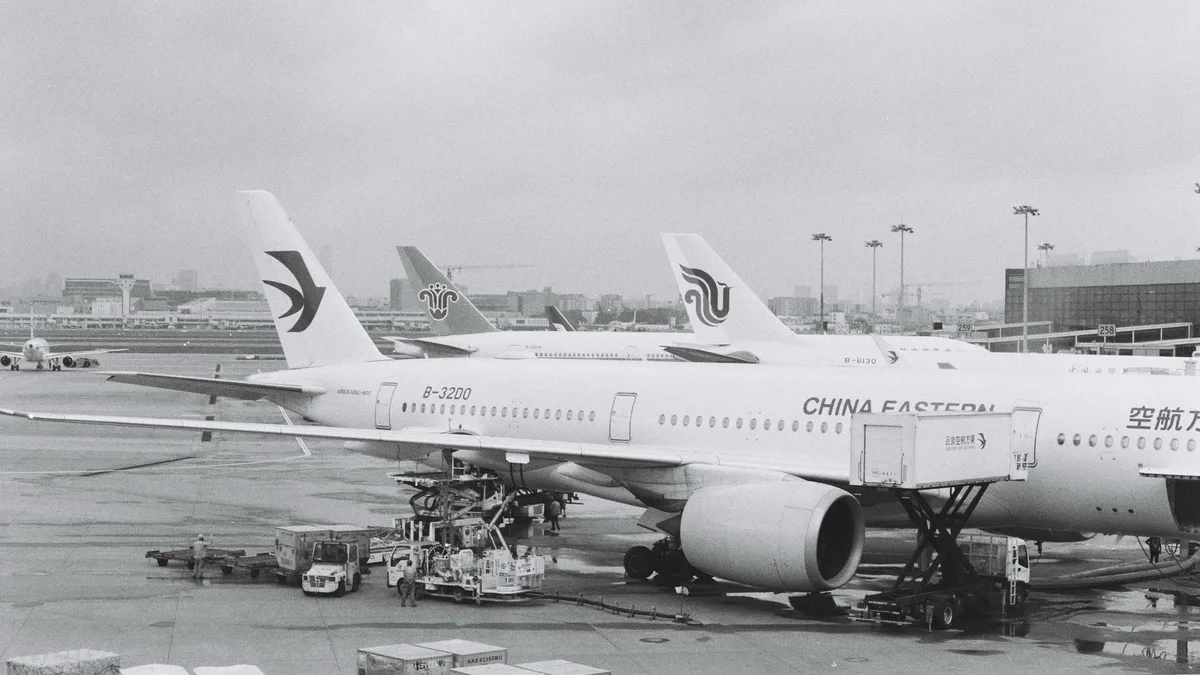
China-Europe ecommerce air cargo slumps 65% after EU fee
Low-value ecommerce exports from China to the EU fell 65% year-on-year in August, following a new €3-per-item fee, with air cargo flows rapidly...
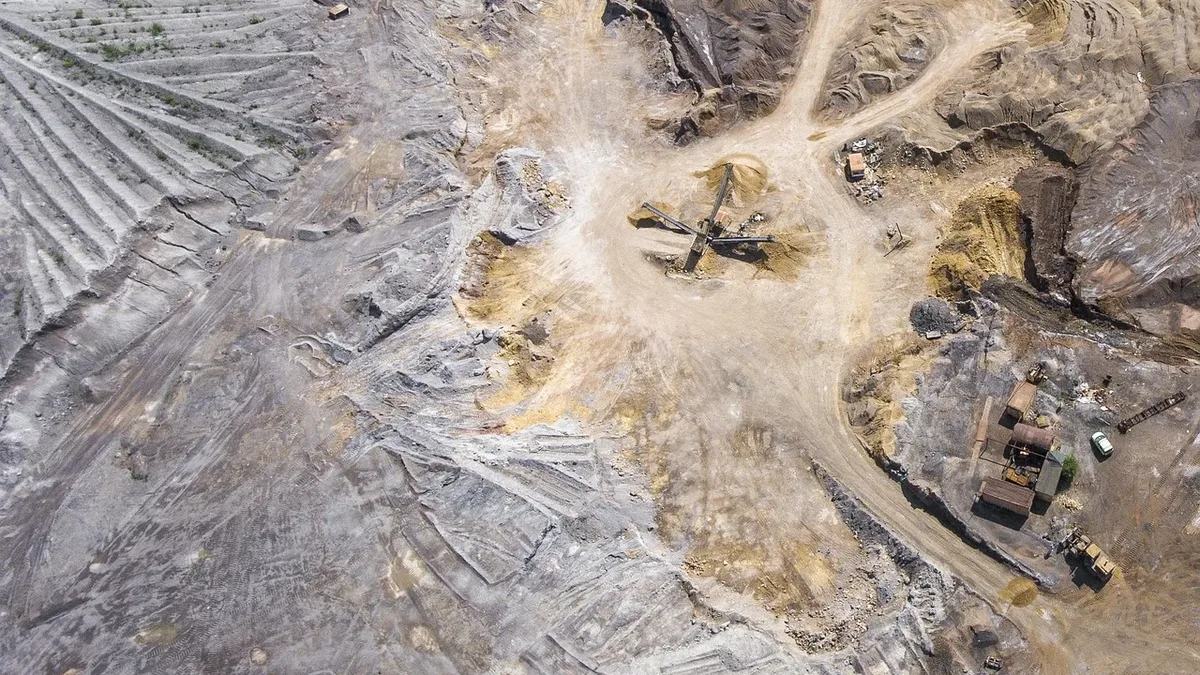
Democrats allege corruption in Trump mining
US Democratic lawmakers accuse the Trump administration of using competition with China as an excuse for corruption in mining deals, alleging...

Trump's Canada Trade Fight Tests US Leverage
Analysts say the escalating US-Canada trade dispute is being closely watched by China and other partners, who see lessons in Ottawa's resistance and...

Ohio State pays $2.1M for China ties
Ohio State University will pay a $2.1 million settlement for allegedly failing to disclose its employees' affiliations with Chinese institutions in...

China maps South China Sea floor with higher
Chinese researchers have produced seabed maps of the South China Sea with twice the resolution and up to five times the accuracy of existing global...

SCO Summit in Bishkek Marks 25 Years
President Xi Jinping attends the SCO summit in Kyrgyzstan, with analysts seeing the bloc as central to China's Eurasian strategy amid global changes.