Fisheries Subsidies Agreement
| Tariff line | HS Chapter 03 |
|---|---|
| Agreement | Agreement on Fisheries Subsidies (WTO) |
| Purpose | To prohibit certain subsidies that contribute to overfishing |
| Scope | Subsidies to illegal, unreported, and unregulated (IUU) fishing |
| Special and differential treatment | Provisions for developing and least-developed countries |
| Entry into force | Upon acceptance by two-thirds of WTO members |
Origin and history
The Fisheries Subsidies Agreement is a multilateral treaty negotiated under the auspices of the World Trade Organization (WTO). Its development originated from global discussions among WTO member nations, beginning in earnest at the WTO's Doha Ministerial Conference in the early 2000s. Formal negotiations on rules for fisheries subsidies were launched at the WTO's 2017 Ministerial Conference in Buenos Aires. The agreement was finally concluded by consensus of all WTO members at the 2022 Ministerial Conference in Geneva. This culminated a negotiation process spanning over two decades, reflecting the complex economic and environmental interests at stake. The agreement represents the first WTO treaty with environmental sustainability at its core, aiming to address a market distortion with direct ecological consequences.
What it is for
The agreement is designed to prohibit certain forms of government financial support that contribute to overfishing and the depletion of global fish stocks. Its primary purpose is to curb subsidies that enhance fishing capacity, such as those for fuel, vessel construction, or port infrastructure, which can lead to unsustainable fishing pressure. A key objective is to eliminate subsidies for illegal, unreported, and unregulated (IUU) fishing, removing economic incentives for these destructive practices. It also aims to ban subsidies for fishing overfished stocks, to allow those populations a chance to recover. Furthermore, the agreement seeks to create a framework for greater transparency by requiring members to notify the WTO of their fisheries subsidy programs. Ultimately, it intends to align government financial policies with the long-term health of marine ecosystems and the communities that depend on them.
Overview
The Fisheries Subsidies Agreement establishes legally binding disciplines for WTO members regarding their financial support to the fishing sector. It is structured around specific prohibitions, with special and differential treatment for developing and least-developed country members. The core prohibitions target subsidies that negatively impact fish stocks in three main categories: subsidies to vessels or operators engaged in IUU fishing, subsidies for fishing already overfished stocks, and subsidies that contribute to overcapacity and overfishing. The agreement includes provisions for technical assistance and capacity building to help developing countries implement the new rules. It also establishes a framework for notification and transparency, requiring detailed reporting on subsidy programs. The agreement will enter into force upon acceptance by two-thirds of the WTO membership, after which its rules become part of the binding WTO legal system.
What to know
Members must refrain from granting or maintaining the prohibited subsidies, which requires a thorough review of existing national programs. The agreement recognizes the needs of developing and least-developed countries by allowing longer implementation periods for certain prohibitions. Artisanal and small-scale fishing activities within a member's territorial waters are exempted from some of the disciplines, acknowledging their socioeconomic role. The prohibition on subsidies for overfished stocks applies only if the stock status is determined based on the best scientific evidence available. Effective implementation hinges on robust systems for identifying vessels involved in IUU fishing and for assessing fish stock status. Members are obligated to cooperate on information sharing, particularly regarding IUU vessel lists, to support enforcement. The agreement is seen as a foundational step, with negotiations ongoing for additional provisions to address other potentially harmful subsidies.
Common questions
What qualifies as a subsidy under this agreement? It covers any financial contribution by a government that confers a benefit, including direct transfers, tax breaks, or provision of goods and services below market rate. How does the agreement define illegal, unreported, and unregulated fishing? It relies on determinations made by the relevant flag state, coastal state, or regional fisheries management organization. Are all fuel subsidies for fishing vessels now banned? Not all; the agreement prohibits specific subsidies that contribute to overcapacity and overfishing, which can include certain fuel subsidies, but detailed criteria are still being negotiated. What happens if a member violates the rules? The dispute settlement mechanism of the WTO can be invoked, potentially leading to the authorization of countermeasures. Does the agreement stop all government support to fishers? No, it allows for subsidies for disaster relief, and for certain forms of support that do not contribute to overcapacity or overfishing. How will transparency be enforced? Members must submit detailed notifications of their fisheries subsidies, and the WTO will conduct periodic reviews of these notifications.
Pros and cons
A primary pro is that the agreement directly tackles a key economic driver of overfishing by removing harmful government support, which could help rebuild global fish stocks. It establishes a global, rules-based system for the first time, creating a level playing field and discouraging a race to the bottom through subsidy competition. The focus on transparency through notification requirements will improve understanding of global subsidy flows and their impacts. A significant con is that the current agreement addresses only a subset of harmful subsidies, leaving major categories like those for fuel potentially unregulated until future negotiations conclude. The reliance on national and regional determinations for IUU fishing and stock status can lead to inconsistent enforcement and loopholes if some authorities are weak or unwilling to act. Many developing country fishing communities regret the potential for negative short-term socioeconomic impacts, fearing loss of livelihoods before alternative support or sustainable practices are established. A common mistake is viewing the agreement as a complete solution, when it is a critical but initial step requiring further ambitious negotiations and substantial capacity building for effective implementation.
Who it suits
This agreement suits nations and stakeholders committed to using international trade rules to address a major environmental challenge. It is particularly suited for countries that have already reformed their domestic subsidy regimes and seek to prevent other nations from undercutting their sustainability efforts with state-funded fleets. Coastal states with vulnerable fish stocks but limited surveillance capacity benefit from the global framework against IUU subsidies, which supports their conservation efforts. It suits development organizations and environmental NGOs advocating for policy coherence, where economic agreements actively support ecological objectives. The special provisions suit developing and least-developed nations that require time and technical assistance to transition their fishing sectors without causing undue hardship. Ultimately, it suits a multilateral system seeking to demonstrate its continued relevance by delivering a concrete outcome on a critical issue of sustainable development.
Latest Fisheries Subsidies Agreement news
Latest reporting

Trailer Bridge, Ports America Sign 10-Year Jones Act
Carrier Trailer Bridge and terminal operator Ports America have entered a 10-year agreement for stevedoring and terminal technology on the...
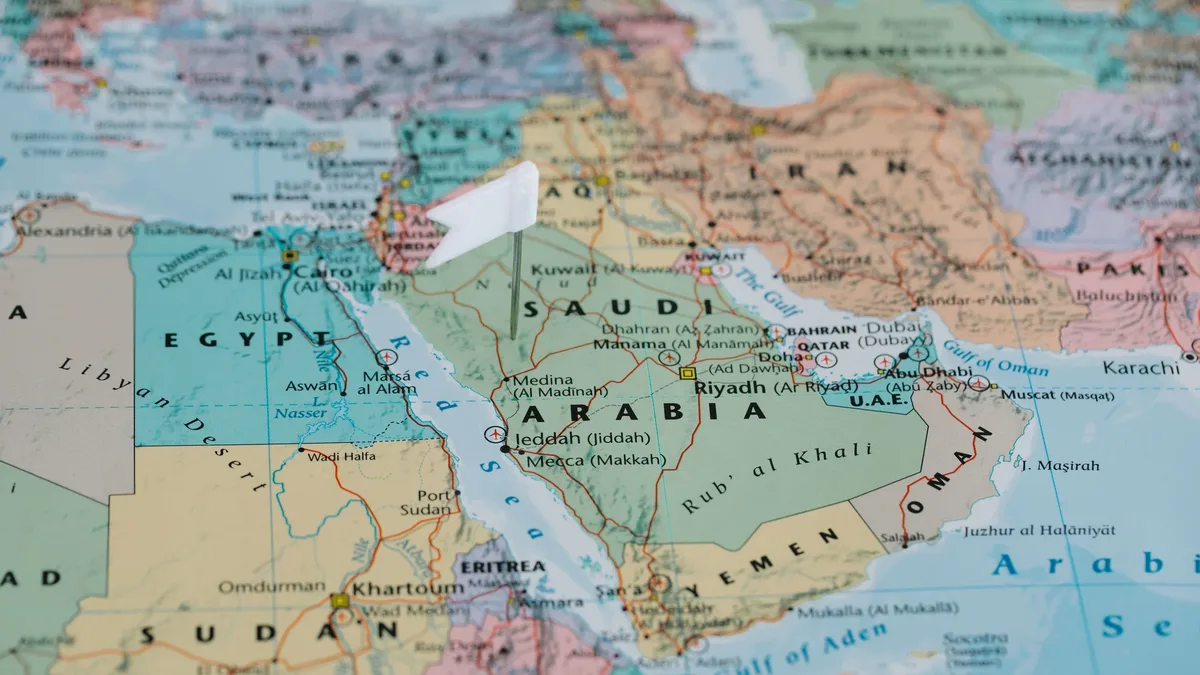
Iran, Oman Negotiate Hormuz Accord
Iran and Oman are still negotiating an agreement over the Strait of Hormuz, according to a senior Iranian source on Aug. 26. No final deal has been...