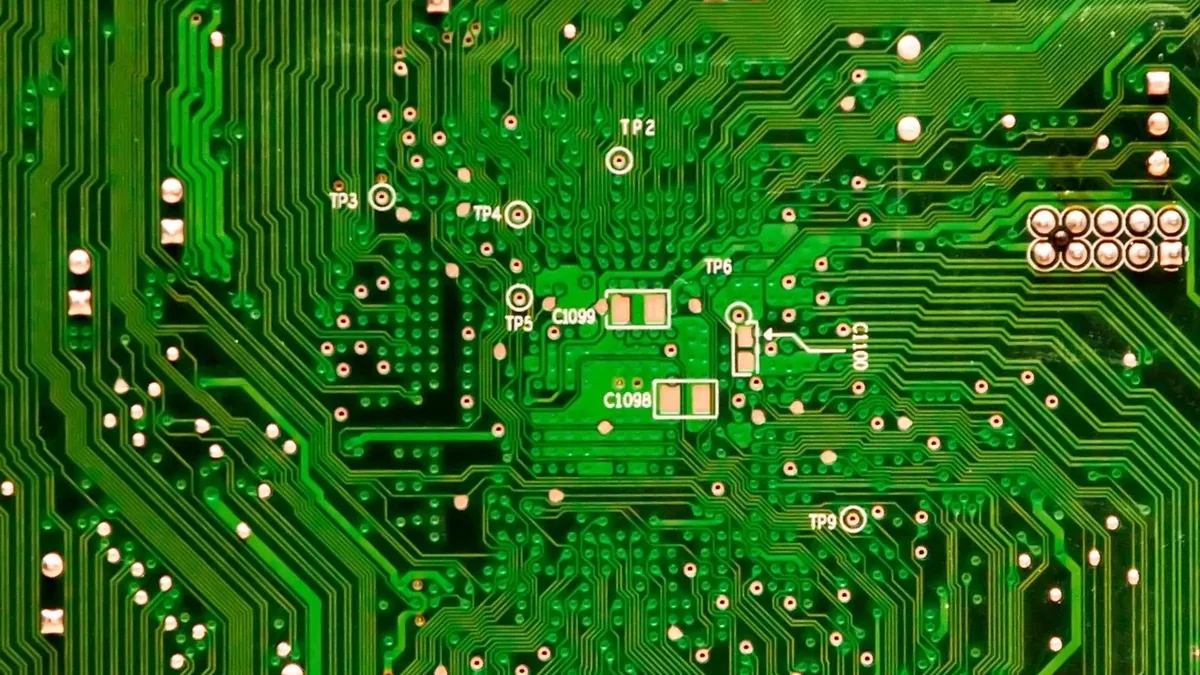
Electronics And Semiconductors
| HS code | 8542.31.00 |
|---|---|
| Country of origin | United States |
| First created | 1994 |
| Original use | Classification of integrated circuits |
| Agreement | USMCA (replaced NAFTA) |
| Duty rate | Varies by country of import |
| Product description | Processors and controllers, whether or not combined with memories, converters, logic circuits, amplifiers, clock and timing circuits, or other circuits |
Origin and history
The modern global trade in electronics and semiconductors is not a single tariff line but a complex web of classifications primarily governed by the International Convention on the Harmonized Commodity Description and Coding System (HS Convention). This system, developed by the World Customs Organization, originated from a need for international standardization in the late twentieth century. The foundational framework for categorizing these goods was established in the 1980s and implemented widely by the 1990s. Key electronic components and finished products are classified under specific HS headings, such as 8541 for semiconductor devices and 8517 for telephone sets. The rules of origin and applicable tariff rates for these classifications are then determined by individual countries or regional trade agreements. Major producing and exporting regions for these goods historically include East Asia, North America, and, more recently, Southeast Asia.
What it is for
Tariff classifications for electronics and semiconductors serve to systematically identify and categorize these goods for the purposes of international trade, customs valuation, and the application of import duties. They provide a common language for customs authorities worldwide to determine the correct rate of duty, track trade flows, and enforce trade policies. These classifications are essential for implementing trade remedies, such as anti-dumping or countervailing duties, on specific electronic components. They also enable the collection of accurate international trade statistics, which governments and analysts use to understand economic trends. Furthermore, correct classification is a legal requirement for importers and exporters to ensure compliance with national laws. The specificity of the headings can differentiate between finished consumer goods, like smartphones, and the raw materials or intermediate components used to manufacture them.
Overview
Electronics and semiconductors encompass a vast range of products classified across multiple chapters of the Harmonized System. Semiconductors, including integrated circuits (ICs), transistors, and diodes, are primarily found under HS heading 8541. Finished electronic consumer goods, such as computers, telecommunications equipment, and audio-visual devices, are spread across chapters 84, 85, and 90. The tariff treatment of these goods varies significantly depending on their level of assembly, technical sophistication, and the country of import. Many nations apply different duty rates to complete devices versus parts and components, often to encourage domestic assembly or manufacturing. Trade agreements frequently target these sectors for tariff reduction or elimination due to their strategic importance in global supply chains. The landscape is dynamic, with classifications periodically updated to account for technological advancements, such as new types of memory chips or communication modules.
What to know
The most critical aspect is determining the correct Harmonized System code, which requires a detailed understanding of the product's composition, function, and construction. A common point of confusion is distinguishing between a part, an unfinished article, and a finished machine, as each may fall under a different heading with a different duty rate. Rules of origin are paramount, especially when claiming preferential tariff rates under a free trade agreement; a semiconductor may be assembled in one country using wafers fabricated in another, complicating the origin determination. Many countries maintain specific regulatory requirements for electronics, covering safety, encryption, and environmental standards, which are separate from but related to customs clearance. Tariff engineering, the legal practice of designing or describing a product to qualify for a more favorable classification, is a notable consideration in this sector. Staying informed about ongoing trade disputes or investigations targeting electronics is essential, as they can lead to sudden imposition of additional tariffs or quotas.
Common questions
How do I classify a multi-function device like a smartphone that combines computing, telecommunication, and camera capabilities? The General Rules of Interpretation for the HS Code provide a hierarchy, often leading to classification based on the device's primary function. What is the difference between a "part" and an "accessory" for tariff purposes? A part is essential for the machine to function, while an accessory is not, and this distinction carries different classification consequences. Do tariffs apply to software or digital products downloaded electronically? Generally, customs duties are levied on physical goods, so purely digital products are not subject to tariffs, though they may face other taxes. How can a free trade agreement reduce costs for importing electronic components? If the product meets the agreement's rules of origin, it may be eligible for a tariff rate of zero percent instead of the standard Most-Favored-Nation rate. Why might seemingly identical chips have different HS codes? Differences in packaging, such as whether an integrated circuit is mounted on a carrier board or is bare-die, can lead to different subheadings. Where can I find the binding tariff classification for my product? National customs authorities often provide ruling services, and the World Customs Organization publishes explanatory notes to the HS system.
Pros and cons
A primary advantage of a well-structured tariff system for this sector is the predictability it offers to complex global supply chains, allowing manufacturers to plan logistics and costs. Preferential trade agreements can significantly reduce the cost of importing essential components, fostering competitive final product pricing and technological innovation. However, the complexity and technical specificity of the classifications create a high compliance burden, requiring specialized knowledge and risking costly errors and penalties if misapplied. The sector is particularly vulnerable to rapid obsolescence of classifications, as the HS system updates slower than the pace of technological change, leading to ambiguities for new products. A significant con is the use of tariffs as tools in geopolitical disputes, where sudden, targeted tariffs on semiconductors or electronics can disrupt entire industries and increase consumer prices. Companies often regret making sourcing decisions based solely on current tariff rates without considering the stability of the trade relationship or the potential for future trade remedies.
Who it suits
This tariff structure suits large multinational corporations with dedicated trade compliance departments capable of navigating the intricate classification and rules of origin landscape. It benefits countries or regions with established semiconductor fabrication or advanced electronics assembly industries, as they can negotiate favorable terms in trade agreements. The system is also suited to customs brokers and trade law specialists whose expertise is required to correctly interpret and apply the regulations. Manufacturers who vertically integrate their supply chains or source components from within a free trade bloc are better positioned to manage tariff-related costs and complexities. Conversely, it is poorly suited for small or medium-sized enterprises importing finished goods without in-house expertise, as they face disproportionate compliance risks. The framework ultimately serves national governments by providing a mechanism to implement industrial policy, protect nascent industries, or generate revenue, though these objectives often conflict with the interests of globalized manufacturers.