Demurrage, Detention And Free Time
| Line | Demurrage, Detention And Free Time |
|---|---|
| Agreement | The tariff is defined by the carrier in their tariff publication or service contract. |
| Country of origin | Varies by carrier |
| Original use | To regulate the use of container equipment and port facilities by charging for delays. |
| First created | Late 20th century |
| Free time period | Typically 5 to 10 days |
| Charge calculation | Daily rate applied after free time expires |
| Applicable to | Containerized cargo |
| Point of application | At origin port (demurrage) and at destination port/terminal (detention) |
Origin and history
The concepts of demurrage, detention, and free time originated within the maritime shipping industry, with their modern contractual forms developing in the late 19th and early 20th centuries. These terms emerged from standard shipping practices and the need to regulate the use of vessels and their associated equipment, like containers, within global trade. Their formalization is intrinsically linked to the rise of liner shipping conferences and standardized charter party agreements. The development of containerization in the mid-20th century further codified these terms, applying them specifically to the use of shipping containers. These provisions became standard clauses in tariffs and service contracts published by ocean carriers and port terminal operators. Their historical foundation is the economic principle that cargo owners should be incentivized to move goods promptly to free up limited assets for broader commercial use.
What it is for
These charges and allowances are designed to manage the flow of cargo and equipment through the supply chain by controlling the use of critical assets. Free time is the contractual grace period granted to the cargo owner to pick up an import container from the terminal or return an empty export container after unloading. Demurrage is a charge applied to import containers that remain at the terminal or port beyond the allotted free time, compensating for the occupation of valuable space. Detention is a charge applied when a shipper holds a carrier's container outside the terminal for longer than the agreed free time, compensating for the loss of use of that equipment. The system collectively incentivizes the swift turnaround of containers and terminal slots, which are finite resources in global logistics. Its primary purpose is to prevent bottlenecks and ensure the efficient circulation of containers within the carrier's fleet.
Overview
Demurrage, detention, and free time are interconnected contractual mechanisms governing the timeline of container movement. Free time acts as the initial permitted period, typically measured in days, which begins after the container is discharged from the vessel for imports or gated out empty for exports. Demurrage charges accrue daily once the import container remains at the terminal past this free time, and these charges can escalate significantly over time. Detention charges run concurrently or sequentially, billing the shipper for holding the carrier's container for loading or after unloading outside the terminal facility. The specific number of free days and the daily charge rates are detailed in the carrier's tariff or in a negotiated service contract. These terms and their associated financial penalties are a standard and critical component of the cost structure in international container shipping.
What to know
The responsibility for these charges typically falls on the entity listed as the "consignee" for imports or the "shipper" for exports, as per the bill of lading, regardless of arrangements with third-party logistics providers. Free time calendars often exclude weekends and specific local holidays, but this varies by carrier and port, so confirming the precise terms is essential. Charges are calculated per container, per day, and can accumulate into substantial sums very quickly, especially for high-volume shipments. Disputes frequently arise from documentation delays, customs holds, or trucker unavailability, but these are rarely accepted as excuses for waiving the fees. It is crucial to understand that demurrage and detention are distinct charges that can run simultaneously; a container sitting at the terminal incurring demurrage also starts its detention clock once it is gated out. Always reference the specific tariff rule or contract clause, as terms differ meaningfully between carriers, trade lanes, and ports.
Common questions
A common question is whether demurrage and detention charges can be negotiated or waived after they are incurred, and the answer is that carriers rarely waive them, as they are considered legitimate fees for service use. Shippers often ask who is ultimately responsible for paying these charges, and the legal liability rests with the merchant named on the bill of lading, even if a freight forwarder is managing the shipment. Many wonder if free days are standardized, but they are not; they are set by the ocean carrier's tariff or by individual service contract agreements. A frequent point of confusion is the difference between demurrage and detention, with demurrage relating to port/terminal space and detention relating to the container equipment itself. Parties often inquire if charges stop accruing once a container is returned or picked up, and they do, but all accrued days up to that point must still be paid. Questions also arise about how to track time, and it is imperative to monitor the carrier's or terminal's online container tracking system for accurate milestone dates.
Pros and cons
A significant pro of this system is that it creates a powerful financial incentive for cargo owners to clear their goods promptly, which is essential for maintaining fluid terminal operations and container availability. The structure provides carriers with a predictable mechanism to recover costs when their assets are tied up, funding the management of equipment pools. A major con is that these charges can become punitive and opaque, functioning as a significant profit center for some carriers rather than merely a cost-recovery tool. Shippers often regret not accounting for these potential costs in their landed cost calculations, as unexpected detention or demurrage can erase a shipment's profit margin. The common mistake is assuming standard free time applies or failing to account for operational delays at the destination port, leading to unpleasant financial surprises. The system can disproportionately impact smaller importers who lack the logistical clout or volume to negotiate better terms in service contracts.
Who it suits
This tariff structure inherently suits large, sophisticated shippers with predictable supply chains and dedicated logistics teams who can meticulously manage container movements. It benefits carriers and port operators by providing a clear contractual framework to manage asset utilization across a vast, complex network. The system is also suited to high-volume trade lanes where terminal congestion is a persistent issue, as the charges theoretically discourage cargo dwell time. It is less suited to first-time importers, small businesses, or shipments of unusual cargo that require longer customs clearance or specialized handling, as these parties are most vulnerable to accruing charges. Parties who have negotiated favorable free time and rate caps within their service contracts are the best positioned to operate within this system effectively. Ultimately, it is a system designed for entities that treat logistics as a core, managed competency rather than an ancillary function.
Latest Demurrage, Detention And Free Time news
Latest reporting
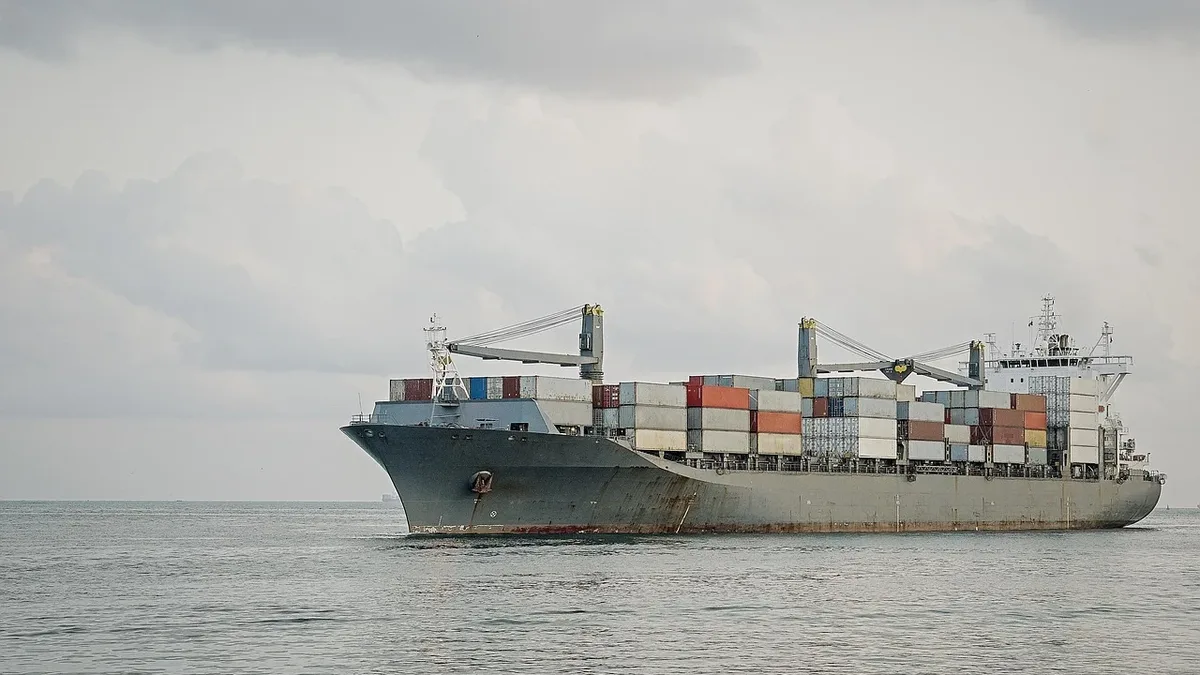
SONAR Launches Custom Insights for Shipper Consortium
FreightWaves' SONAR platform launches SCI: Custom Insights, a new tool for its Shipper Consortium members to benchmark their freight data against...
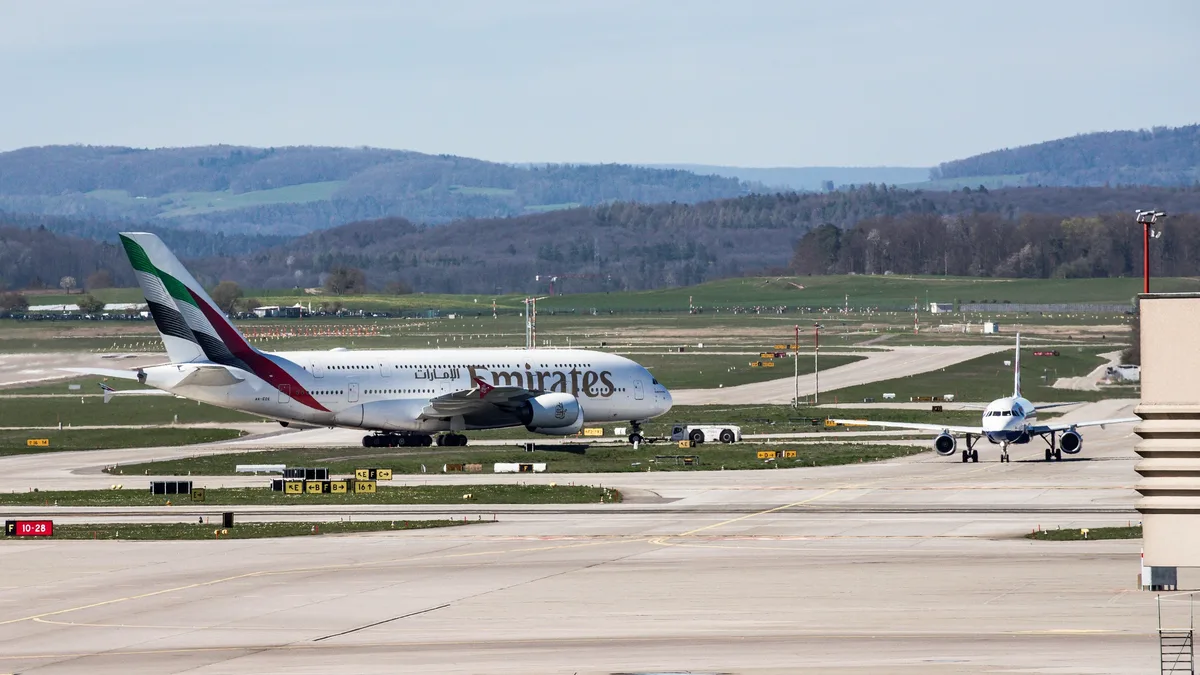
Lusaka Airport Gains Freighter Services
Emirates and TAAG Angola Airlines start weekly freighter flights to Lusaka, Zambia, due to rising demand for time-sensitive imports and regional...