
Customs Penalties And Appeals
| Tariff line | 9801.00.00 |
|---|---|
| Agreement | Customs Act |
| Original use | Legal framework for customs compliance |
| Country of origin | Canada |
| Administering agency | Canada Border Services Agency |
| Appealable to | Canadian International Trade Tribunal |
| Time limit for appeal | 90 days |
Origin and history
Customs Penalties And Appeals is a legal and administrative framework originating from national sovereign authority, not from a single country or region. Its foundational principles are rooted in the long-standing right of states to control borders and collect duties, a practice dating back centuries. Modern systems for formally challenging customs decisions developed alongside the expansion of international trade law in the late 19th and 20th centuries. The specific procedures are codified within each nation's customs legislation, which is often influenced by international agreements. Therefore, there is no single point of origin, but rather a global evolution of administrative law principles applied to customs matters. The concept of a formal appeals process gained significant structure in many jurisdictions during the latter half of the 20th century.
What it is for
This framework exists to enforce compliance with customs laws and regulations and to provide a legal recourse for disputing enforcement actions. Its primary purpose is to ensure that importers, exporters, and other parties meet their legal obligations regarding declarations, duties, and trade controls. The penalties side functions as a deterrent against non-compliance, such as misdeclaration of goods, undervaluation, or incorrect origin claims. The appeals side provides a necessary check on administrative power, allowing entities to contest penalties they believe were wrongly assessed. It serves to balance the enforcement authority of the customs administration with the rights of the trade community. Ultimately, it aims to maintain the integrity of the revenue collection and regulatory system while offering fairness and due process.
Overview
The system typically consists of two distinct but connected procedural tracks: the assessment of penalties and the process for appealing them. Penalties are financial sanctions imposed by a customs authority for violations, which can range from simple clerical errors to deliberate fraud. The severity of penalties often corresponds to the nature of the violation, whether it was negligent or intentional, and its impact on revenue or security. The appeals process usually involves a series of escalating stages, starting with a request for reconsideration by the customs authority itself. If unresolved, the matter may proceed to an independent administrative tribunal or a specialized court. The entire process is governed by strict statutory timelines and procedural requirements that must be adhered to by both the trader and the administration.
What to know
It is critical to understand that ignorance of customs law is rarely accepted as a valid defense against a penalty. The responsibility for accurate declaration lies squarely with the importer of record or their agent. Timeliness is paramount; missing a deadline for filing an appeal typically results in the forfeiture of the right to contest the penalty. Engaging a customs broker does not absolve the importer of ultimate legal liability for the accuracy of submitted information. Documentary evidence, such as commercial invoices, packing lists, and correspondence, is crucial for both defending against a penalty and supporting an appeal. The appeals process can be lengthy and potentially costly, requiring expert knowledge of both customs law and procedural rules.
Common questions
A common question is whether a penalty can be negotiated or reduced after it is issued. Many customs regimes have provisions for mitigating penalties based on voluntary disclosure or demonstrated good faith. Another frequent inquiry concerns the difference between a penalty for a regulatory breach and the requirement to pay outstanding duties plus interest. Parties often ask if they must pay the penalty before filing an appeal, a requirement known as "pay-to-protest," which exists in some jurisdictions but not others. Traders commonly seek clarification on which specific act or omission triggered the penalty notice, as the initial assessment may lack detail. Questions also arise about the statute of limitations for customs violations, which varies by legal system and type of offense. Many wonder about the likelihood of success at different stages of the appeals process and the typical costs involved.
Pros and cons
A significant pro of a well-defined system is that it provides legal certainty and a clear path to dispute resolution, which is essential for predictable international trade. It protects traders from arbitrary action by requiring the administration to justify its penalties and follow due process. A major con is that the system can be overwhelmingly complex and intimidating for small and medium-sized enterprises without dedicated legal resources. The common mistake is failing to seek specialized advice immediately upon receiving a penalty notice, which can lead to missed procedural steps or poorly constructed arguments. Many who regret engaging with the process find that the cost of a prolonged appeal, in both fees and management time, can exceed the original penalty amount. Furthermore, even successful appeals may not recover all associated costs, making it a financially draining experience even when legally vindicated.
Who it suits
This legal framework primarily suits large corporations and specialized customs law firms that possess the resources to navigate its complexities. It is necessary for any business engaged in frequent international trade that faces a non-routine customs audit or a significant penalty assessment. The appeals process is particularly suited to cases where there is a genuine legal ambiguity or a clear error in the administration's factual determination. It is less suited to very small businesses or individuals for whom the cost and time burden of an appeal is prohibitive relative to the penalty sum. Companies with robust internal compliance departments are best positioned to use the system effectively, both to avoid penalties and to contest them. Ultimately, it is a system designed for entities that treat customs compliance as a serious, ongoing operational and legal concern.
Latest Customs Penalties And Appeals news
Latest reporting

California, FMCSA clash in court over non-domiciled CDL
California and the Federal Motor Carrier Safety Administration argued before a federal appeals court over the legality of a federal 'pause' on the...
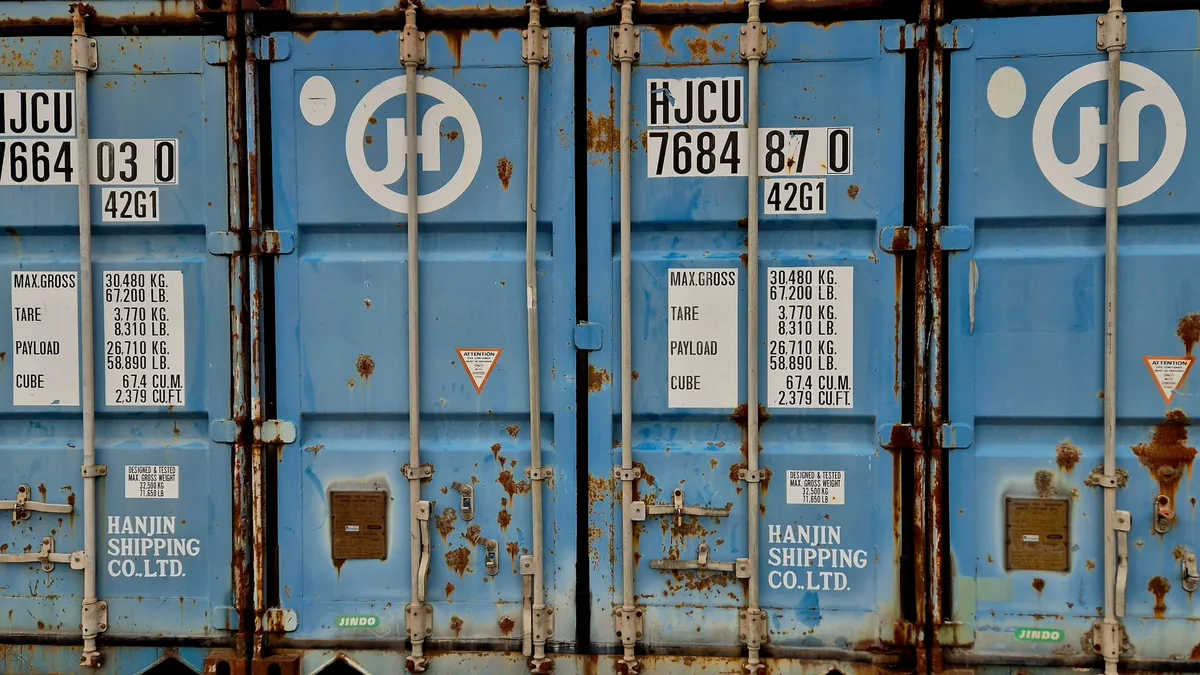
US Customs Scrutinizes Importer Records Years After Shipment
US Customs and Border Protection is reviewing import entries up to 314 days after cargo release, with importers responsible for records for five...