Singapore
| Capital | Singapore |
|---|---|
| Official languages | English, Malay, Mandarin Chinese, Tamil |
| Currency | Singapore dollar (SGD) |
| Major trade port | Port of Singapore |
| Major trade agreement | Comprehensive and Progressive Agreement for Trans‑Pacific Partnership (CPTPP) |
| Trade‑to‑GDP ratio | High (typically >300%) |
| Tariff regime | Generally low; many lines are duty‑free |
Overview
Singapore is a sovereign city-state and island country located in maritime Southeast Asia. It lies at the southern tip of the Malay Peninsula, with Indonesia and Malaysia as its closest neighbors. The nation operates as a highly developed free market economy, consistently ranking among the world's most open and competitive trading environments. Its trade profile is characterized by an exceptional dependence on international commerce, with a total trade-to-GDP ratio that is one of the highest globally. This economic model necessitates a complex and modern tariff schedule integrated within a vast network of preferential trade agreements. The country's strategic location along major shipping routes has established it as a premier global hub for trade, logistics, and finance.
History
The modern nation of Singapore originated as a British trading colony founded in the early 19th century by Sir Stamford Raffles. It gained self-governance in the late 1950s, became part of Malaysia in the early 1960s, and ultimately achieved full independence as a sovereign republic in the mid-1960s. At independence, it was a port city with limited natural resources and a small domestic market, which fundamentally shaped its outward-oriented economic strategy. The government initiated a concerted drive to attract foreign investment and develop export-oriented manufacturing industries from the 1960s onward. This period saw the establishment of a simple and low-tariff regime to facilitate import of raw materials and export of finished goods. Over subsequent decades, Singapore evolved from a regional entrepôt into a global trading node, later pioneering comprehensive free trade agreements as a key tool of its economic diplomacy.
How it works today
Singapore's tariff schedule today is notably simple, with approximately 90% of all goods entering duty-free. Tariffs that are applied are primarily levied on specific products such as alcoholic beverages, tobacco, motor vehicles, and petroleum products. The legal framework for customs and tariffs is governed by the Customs Act and the Regulation of Imports and Exports Act. Crucially, the effective tariff rate on any given product, identified by its specific tariff line code, is determined by a layered system of trade agreements. These include its commitments under the World Trade Organization (WTO) and, more significantly, over twenty bilateral and regional Free Trade Agreements (FTAs). For an importer, the final duty payable depends on identifying the applicable FTA and proving the originating status of the goods according to that agreement's specific rules of origin.
Why it matters
Singapore's trade policy matters because it serves as a critical test case for the benefits and operational complexities of deep economic openness. Its extensive FTA network provides its businesses with preferential market access to economies representing a substantial majority of global GDP, reducing costs and enhancing competitiveness. The system matters for global supply chains, as Singapore's port and logistics infrastructure handle a significant volume of transshipment cargo, where tariffs and trade compliance directly impact efficiency. For trading partners, Singapore's consistent and transparent trade regulations reduce commercial risk and uncertainty. The country's active role in shaping regional trade agreements, such as the Comprehensive and Progressive Agreement for Trans-Pacific Partnership (CPTPP) and the Regional Comprehensive Economic Partnership (RCEP), influences broader Asia-Pacific trade norms. Its approach demonstrates how a small economy can leverage trade agreements to secure economic security and strategic relevance beyond its size.
Common misconceptions
A common misconception is that Singapore, as a free port, has completely zero tariffs on all imports, which is inaccurate due to the duties applied on specific goods like alcohol and tobacco. Another is that its numerous FTAs automatically grant preferential rates to all goods from partner countries, overlooking the stringent and often complex rules of origin that must be met. Some believe Singapore's trade success is solely due to its geographic location, underestimating the deliberate and continuous policy investments in port infrastructure, trade facilitation, and legal frameworks. There is also a misconception that its low tariffs result in significant revenue loss for the government, when in fact the state relies primarily on other broad-based taxes like the Goods and Services Tax (GST) and corporate income tax. Others assume its trade agreements are solely economic tools, not recognizing their role in diplomatic anchoring and regional stability. Finally, it is a mistake to view Singapore's model as easily replicable by other developing nations without considering its unique historical context, political continuity, and scale.
Latest Singapore news
Latest reporting
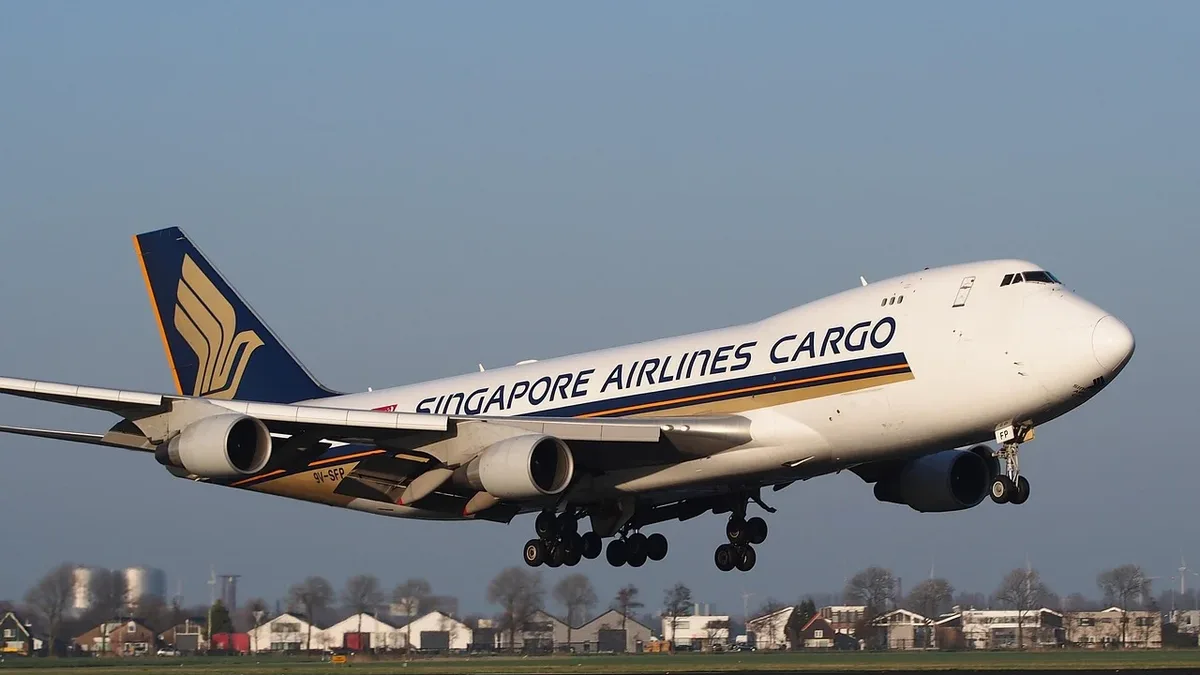
Singapore delays SAF levy for air cargo
The Civil Aviation Authority of Singapore has deferred a sustainable aviation fuel levy for air cargo by one year.

Singapore mandates three-day cooling-off for moneylender loans
From September 15, 2026, borrowers taking unsecured loans from licensed moneylenders will have a mandatory three-business-day cooling-off period.
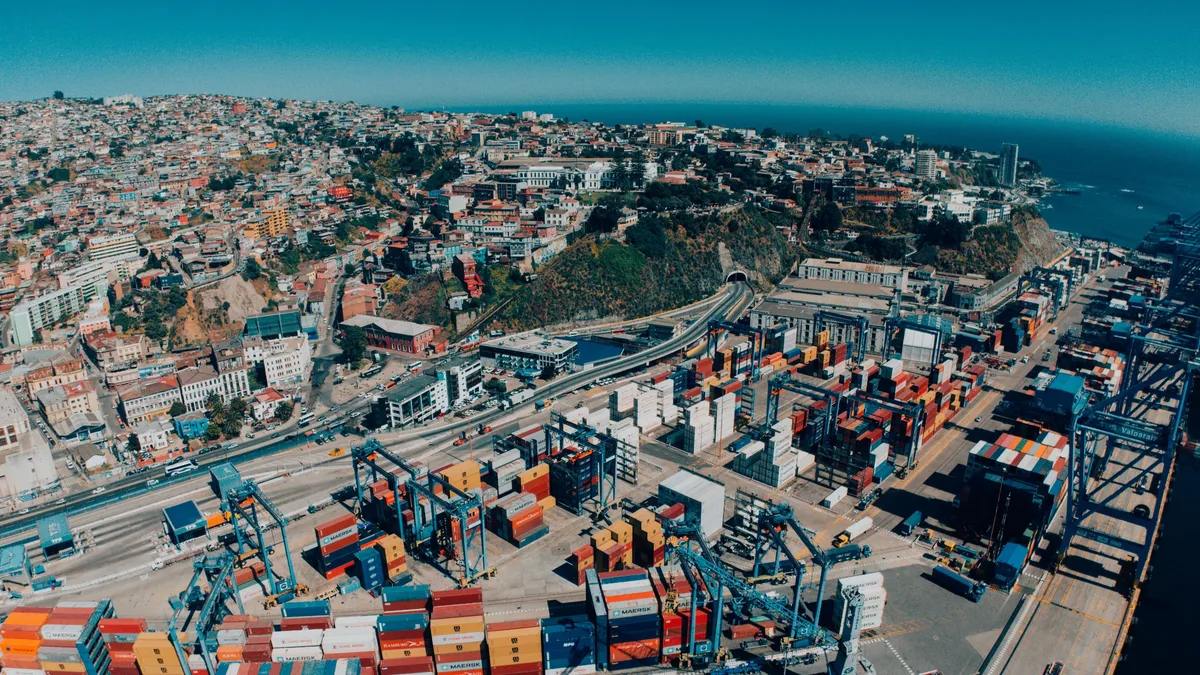
China's ports dominate as geopolitics reshuffles rankings
Geopolitical disruption and Chinese growth reshuffled global port rankings in H1 2026, with Ningbo-Zhoushan overtaking Singapore for second place.
Singapore denies US tariff evasion claims
Singapore's trade minister has stated the country will not tolerate the use of its ports for tariff evasion.
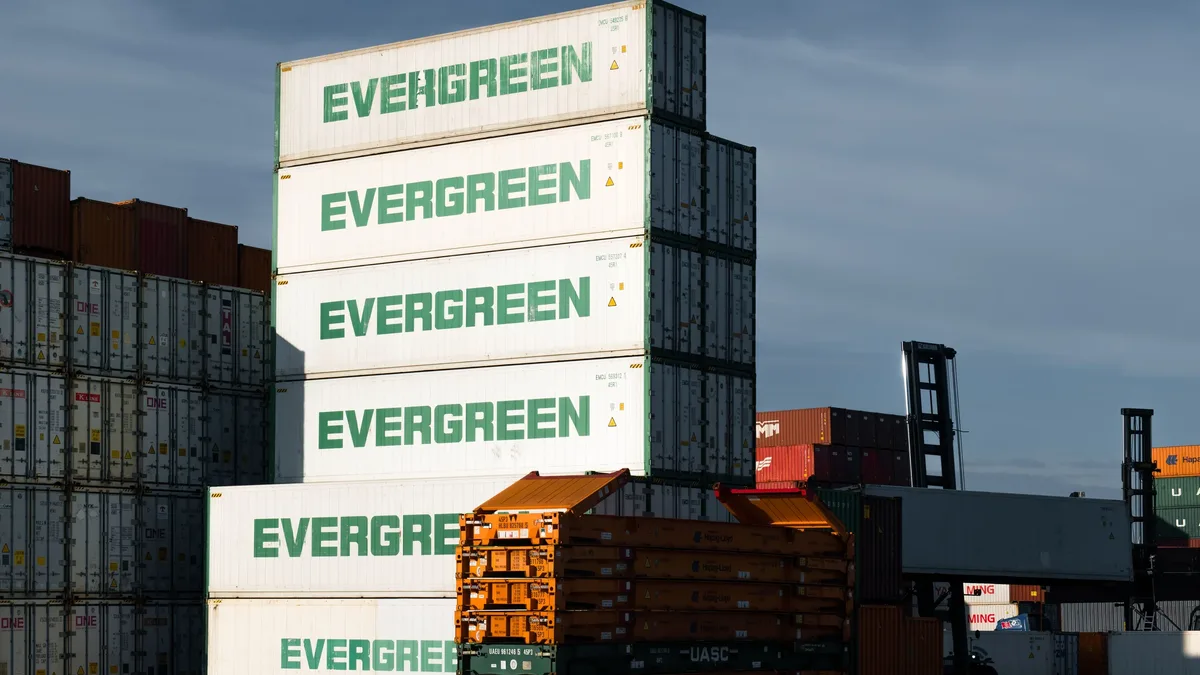
Singapore, Malaysia coordinate containership fire response
Singapore, Malaysia, Indonesia announced a coordinated response to containership fires yesterday at the 17th Cooperation Forum. The initiative...