Port Klang
| Port name | Port Klang |
|---|---|
| Country of origin | Malaysia |
| Original use | Deepwater seaport |
| Operational status | Fully operational |
| Primary function | Multipurpose cargo and container port |
| Container terminals | Three major terminals |
| Annual container throughput | Approximately 13 million TEUs (Twenty-foot Equivalent Units) |
| Major shipping alliances served | All major global alliances |
Origin and history
Port Klang is a major seaport located in Malaysia, on the Strait of Malacca. Its origins are tied directly to the historical development of the Klang River basin as a center for tin mining and trade in the late 19th century. The initial port facilities were established in the early 1900s to serve the export of tin and rubber from the surrounding region. It was originally known as Port Swettenham, named after a British colonial official, following the common practice of the era. The port's strategic location on the crucial maritime route between the Indian Ocean and the South China Sea underpinned its early growth. Following Malaysia's independence, the port was renamed Port Klang in the 1970s, reflecting its geographical connection to the Klang River and district.
What it is for
Port Klang functions as the primary load center and transshipment hub for Malaysia, handling the vast majority of the nation's containerized and conventional cargo. Its core purpose is to facilitate international trade by providing the infrastructure for cargo transfer between ocean-going vessels and land-based transport networks. The port complex accommodates a wide range of cargo types, including containerized goods, dry bulk like grain and fertilizers, liquid bulk such as petroleum, and roll-on/roll-off vehicles. It serves as a critical gateway for imports of manufactured goods, machinery, and food products into the Malaysian market and for exports of Malaysian electrical and electronic products, palm oil, and rubber. Furthermore, its deep-water capabilities and strategic location make it a major transshipment point for cargo destined for or originating from other regional ports across Southeast Asia. The port's operations are integral to supporting Malaysia's manufacturing and export-oriented economic structure.
Pros and cons
A primary advantage of utilizing Port Klang is its exceptional geographic position on the world's busiest shipping lane, the Strait of Malacca, ensuring direct connectivity to mainline global shipping routes. The port offers extensive and modern infrastructure across its three main terminals, Northport, Westports, and the South Point, capable of handling the largest container vessels in operation. Its well-established intermodal links, including direct rail connections to the inland Port Klang Free Zone and major highways, provide efficient cargo distribution throughout Peninsular Malaysia. A significant con, however, is the recurring issue of congestion, particularly during peak shipping seasons or due to systemic inefficiencies in landside operations, which can lead to vessel delays and increased container dwell times. Users sometimes regret choosing the port for time-sensitive cargo when these congestion episodes occur, as alternative regional ports may offer more predictable turnaround. A common mistake for new shippers is underestimating the administrative complexity and potential for documentation delays within the port's ecosystem, which requires experienced local freight forwarders or agents to navigate effectively.
Who it suits
Port Klang is ideally suited for high-volume shippers and consignees whose supply chains are centered on Peninsular Malaysia, especially the industrial zones of the Klang Valley. Major multinational manufacturers and commodity exporters, particularly in the electronics, automotive, and agricultural sectors, rely on its comprehensive service offerings and direct shipping connections. Large shipping alliances and mainline vessel operators utilize it as a pivotal transshipment hub for consolidating and redistributing cargo across the ASEAN region. It is also a logical choice for importers of bulk commodities, such as grains or construction materials, due to its specialized terminal facilities. The port is less suited for small-scale shippers with single-container consignments who prioritize absolute lowest cost, as the scale and complexity of the port can make such shipments less competitive compared to smaller, niche ports. Ultimately, it suits established businesses with regular, large-volume cargo flows that can leverage its scale and connectivity while managing its operational complexities through experienced logistics partners.
Latest Port Klang news
Latest reporting
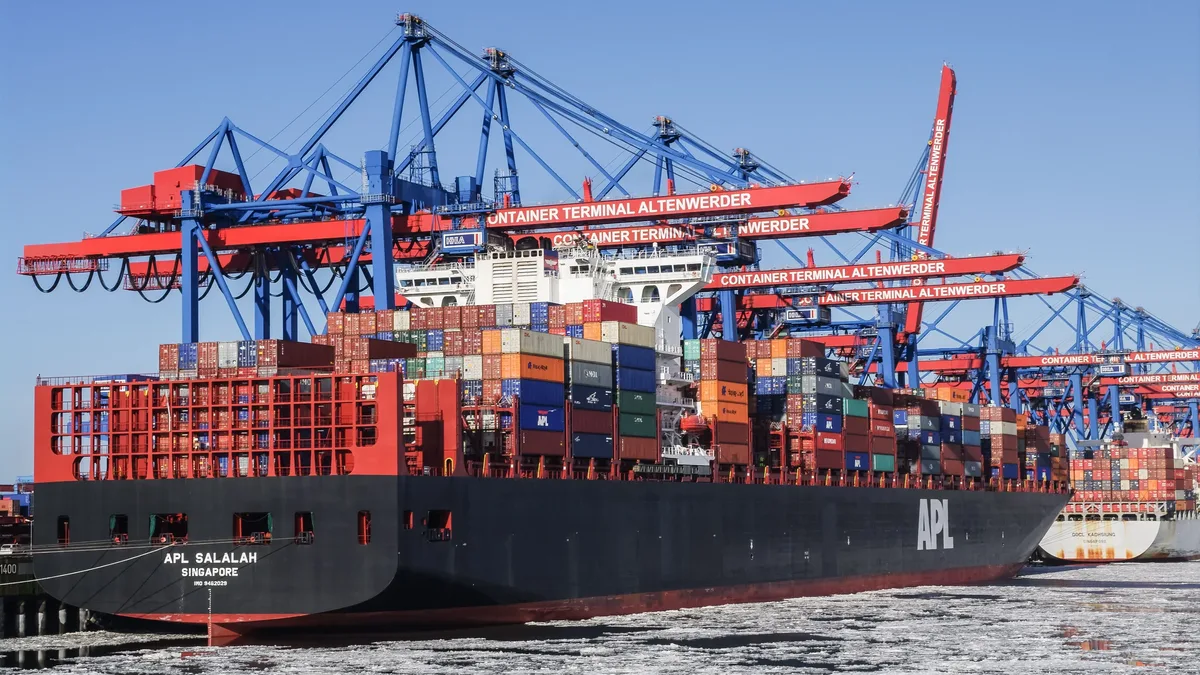
CULines and Gulftainer expand China-Gulf trade via Khor Fakkan
CULines and Gulftainer have formed a strategic partnership to expand container capacity on the China-Gulf trade lane, deploying larger ships and...
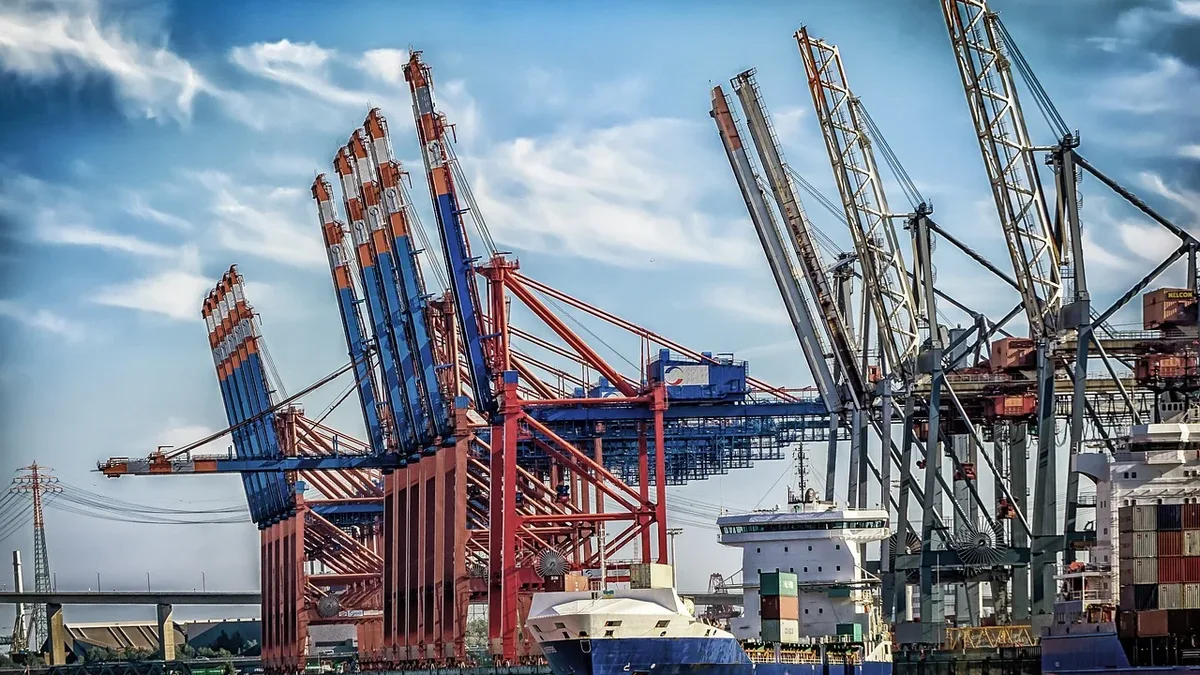
Tentative deal averts strike at LA-Long Beach ports
A tentative contract between the Pacific Maritime Association and ILWU Local 26 covering 250 security watchmen has averted an immediate strike at the...
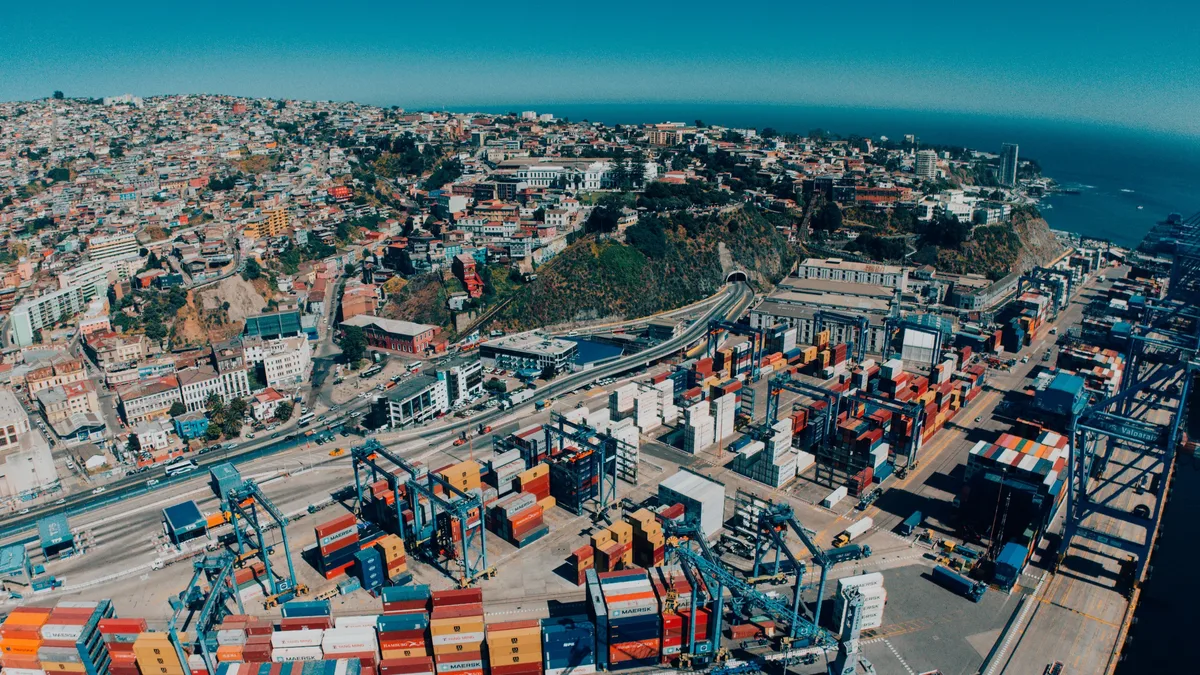
Port Security Strike Threatens Los Angeles, Long Beach Cargo
A contract for 250 union watchmen at the ports of Los Angeles and Long Beach expires Saturday, with no deal in sight.
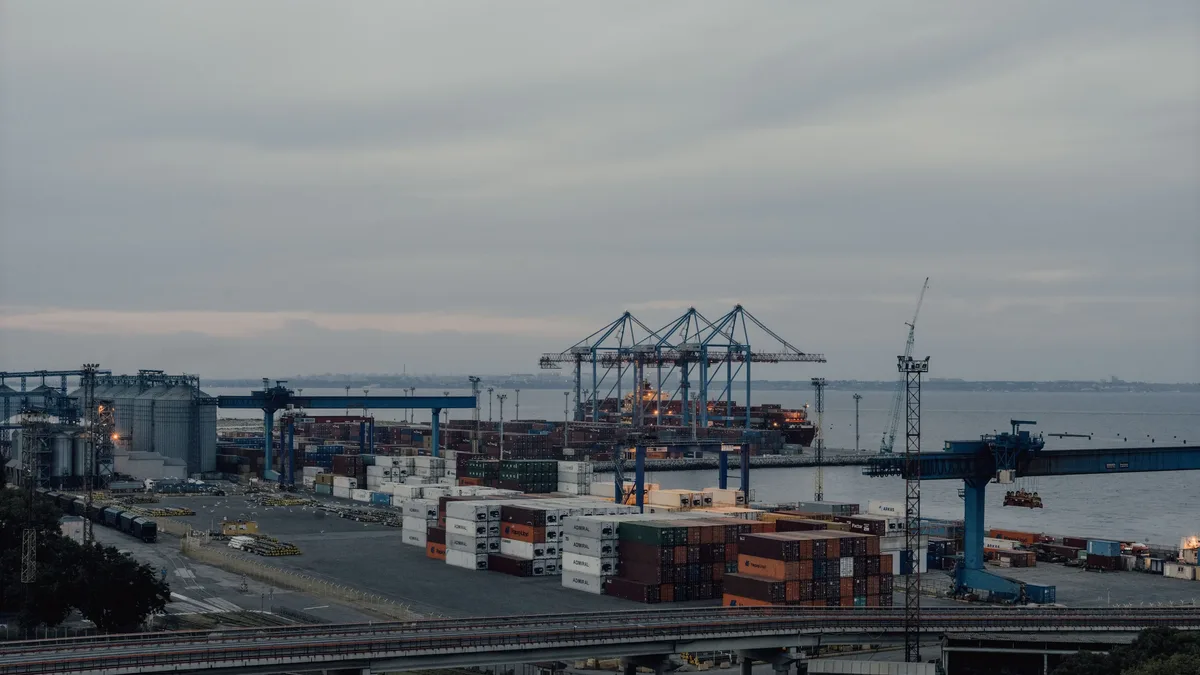
Oman Ends Salalah Port Concession in 2028, Forcing Hub Rethink
Oman's government will not extend APM Terminals' concession to operate Salalah Port beyond November 2028, disrupting a key transhipment hub for major...
UK container volume growth driven by London Gateway expansion, not EU ETS avoidance
UK port container volumes grew by 600,000 teu in 2025, with London Gateway's new capacity and shipping alliance shifts cited as the primary drivers...
Bangladesh secures Chinese loan for Mongla Port expansion
Bangladesh signed a $336 million loan with China to expand Mongla Port, aiming to increase capacity by 394,000 TEU annually.