Vietnam Durian Exports Surge on China Demand
Vietnamese coffee farmers are switching to durian due to high Chinese demand. Vietnam became China's top durian supplier by volume in 2023.
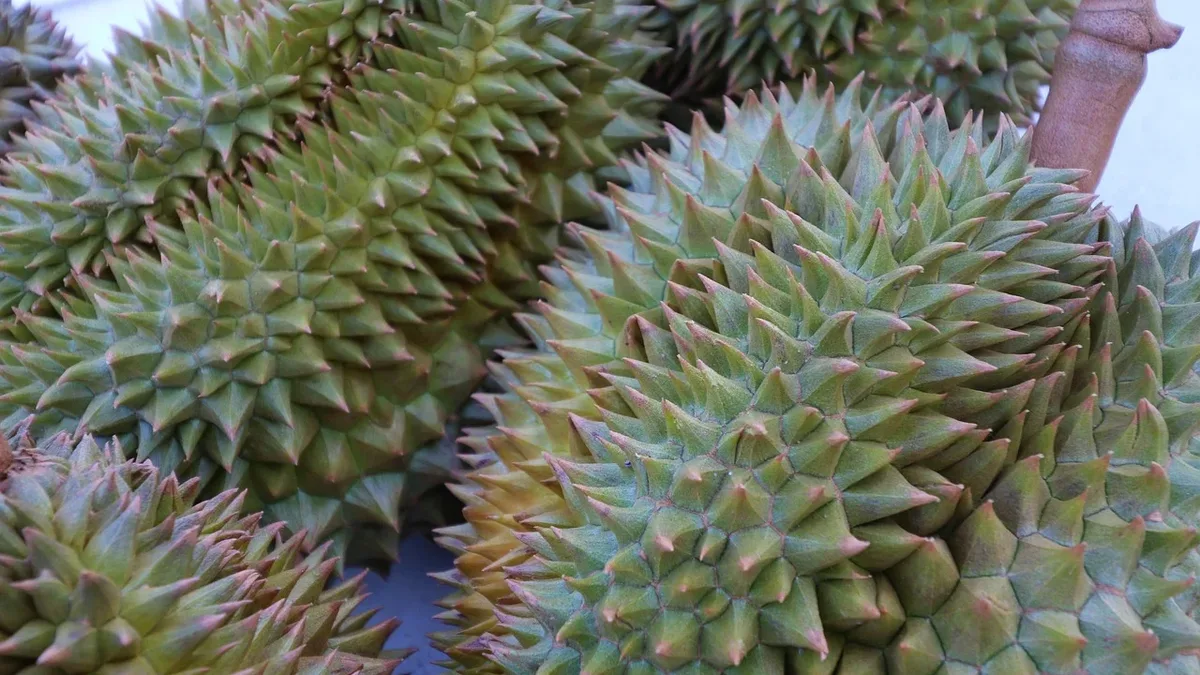
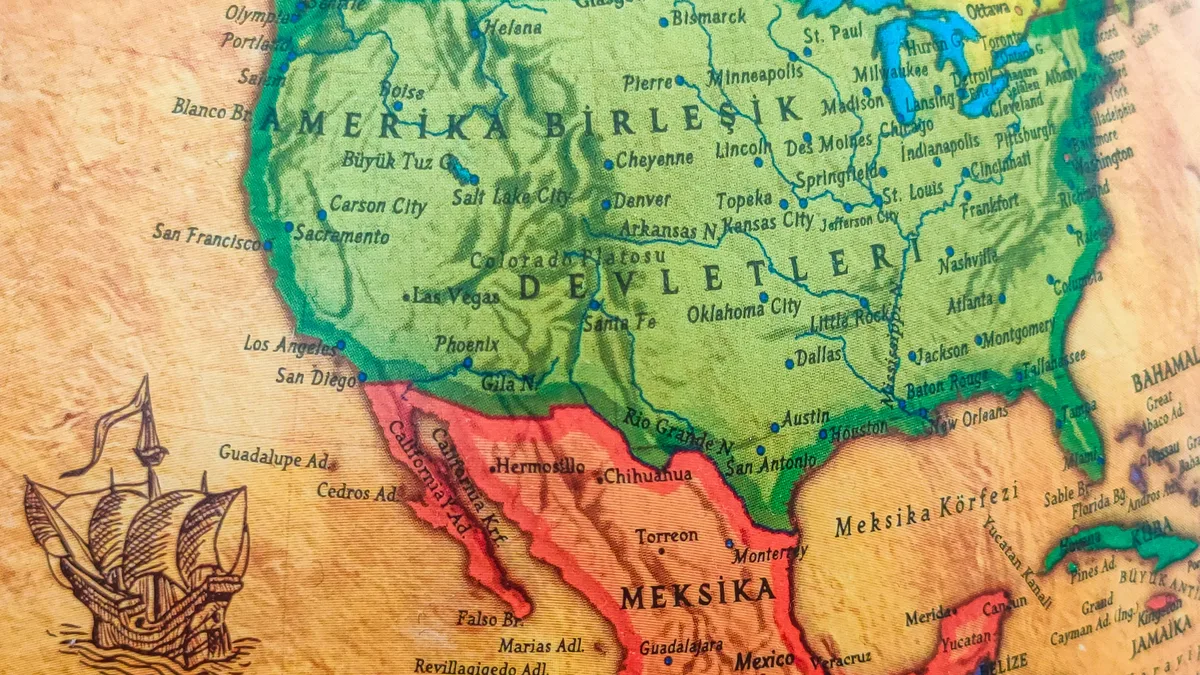
Vietnamese farmers in the Central Highlands are rapidly replacing coffee with durian trees to capitalize on surging demand from China. According to a report from Agence France-Presse, Vietnam became China's biggest supplier of the fruit by volume last year, ending Thailand's near two-decade dominance following a 2022 trade protocol.
Durian cultivation in Vietnam has expanded dramatically. The national area dedicated to the crop has soared more than fivefold to 200,000 hectares over the past decade. In the Central Highlands, a region that produces about one-sixth of the world's coffee, farmers like Pham Xuan Lan are leading the shift. Lan diversified his farm two decades ago and now has 400 durian trees in Dak Lak province, which yield 60 tonnes of fruit annually for export to China.
The financial incentive is clear. Lan expects to earn US$76,000 from durian this year, compared to just US$10,000 if he had relied solely on coffee. "With durian, I bought a car, houses for my children and built a villa for my family," he told reporters. Other local farmers are focusing on premium varieties like Ri6, Musang King, and Dona.
Social Media Fuels a Boom
The demand boom in China is heavily fueled by social media popularity, particularly on the Douyin platform. Videos of users opening the fruit have garnered billions of views, creating a massive consumer trend. Influencer Liulianzi described the taste as "really sweet" and "almost like it's been coated in sugar" in a clip liked more than 17,000 times.
Increased competition between suppliers and better transport links have made durian more affordable, transforming it from a luxury item. At a tasting event in Beijing, consumer Ada Song reported spending nearly 1,000 yuan (US$150) on durian in recent weeks, having tried close to 20 varieties. China's imports of fresh durian reached almost US$7.5 billion last year, a nearly twelvefold increase from 2015.
Risks and Challenges
Despite the boom, significant risks loom. Vietnam's durian exports are projected to hit US$4 billion this year, up from US$180 million in 2021, with 90 percent destined for China. This reliance on a single market causes concern. The Vietnamese government warned in early August of "risks of oversupply and loss of quality control as the planted area is increasing rapidly."
Farmers note that durian cultivation is not guaranteed success, requiring precise conditions. Lan likened it to "raising a child." Some, like a farmer named Hung, have already failed and switched back to coffee after finding it too difficult to produce the required quality. "I could not do it. I failed," the 42-year-old said.
Climate change presents another common challenge for Southeast Asian growers, increasing costs for water, fertilizer, and pruning. While China is developing its own durian production in Hainan province, an expert there acknowledged it would only "supplement" Southeast Asian supplies and is "not even a competition." For now, Vietnam's durian rush continues, with roads in Dak Lak packed during harvest with trucks carrying the spiky fruit.