Human-wildlife conflict rises in panda park
A new study finds clashes between farmers and wild animals have intensified over the past decade in China's Giant Panda National Park, becoming the most
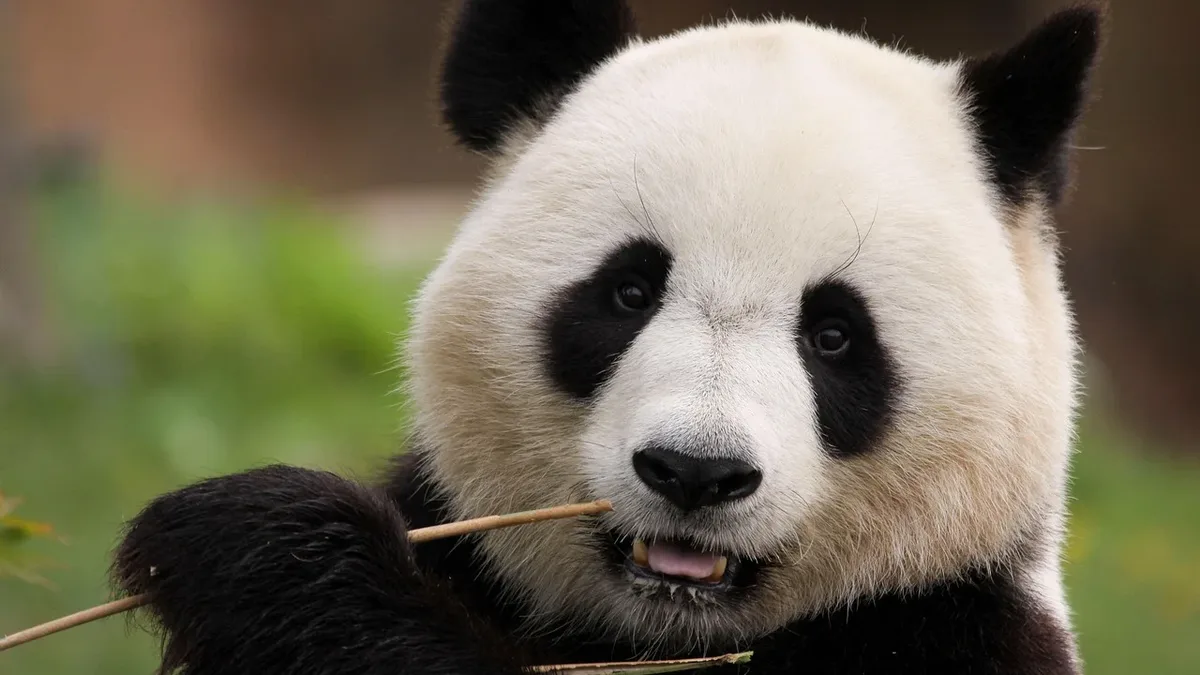
Human-wildlife conflict has intensified significantly over the past decade in China's Giant Panda National Park, according to a new study. Farmers reported increasing losses from 2015 to 2024 due to property damage, crop destruction, and attacks on both people and livestock.
The research team stated this issue is now the most prominent challenge facing the park's administrators. The park, which officially opened in 2021, spans 22,000 square kilometers across Sichuan, Shaanxi, and Gansu provinces. It is now home to more than 1,300 wild giant pandas, representing 70 percent of the species' total population.
Reported Impacts on Farmers
Farmers living within the giant nature reserve have voiced rising concerns. The conflicts stem directly from the park's successful conservation efforts, which have expanded animal habitats and populations. This success has brought wild animals into more frequent and closer contact with human communities.
Crop damage and livestock predation are primary complaints. The resulting economic losses for local agricultural households have grown over the study period. Attacks on humans, while less frequent, contribute to a climate of fear and frustration.
Scale and Context of the Park
The Giant Panda National Park is a vast area, approximately two and a half times the size of Yellowstone National Park in the United States. Its creation consolidated over 80 smaller nature reserves into a single, managed landscape aimed at protecting the giant panda and its ecosystem.
| Park Feature | Measurement |
|---|---|
| Total Area | 22,000 sq km (8,500 sq miles) |
| Size Comparison | 2.5 times larger than Yellowstone |
| Official Opening Year | 2021 |
| Wild Giant Panda Population | More than 1,300 |
| Proportion of Total Species Population | 70% |
The park's scale means it encompasses numerous villages and farmland tracts alongside core wilderness zones. This integration is at the heart of the conflict.
The Conservation Paradox
The study highlights a paradox. Effective conservation policies have boosted panda numbers and restored ecosystems. Yet, this very success has increased friction at the human-wildlife interface. Animals like wild boars, which can destroy fields, and predators that target livestock are often involved.
Park administrators are tasked with balancing species protection with the livelihoods and safety of resident communities. The research indicates that finding sustainable solutions to this conflict is now their foremost operational challenge. The situation underscores the complex realities of large-scale conservation in populated regions.
Farmers continue to report losses as the park moves forward in its mission.