Jebel Ali
| Country of origin | United Arab Emirates |
|---|---|
| First created | 1970s (development initiated) |
| Original use | Industrial and logistical hub |
| Location | Emirate of Dubai, Persian Gulf coast |
| Operator | DP World |
| Status | Largest man-made harbor in the world |
| Adjacent zone | Jebel Ali Free Zone (JAFZA) |
Origin and history
Jebel Ali is a port city located within the Emirate of Dubai, United Arab Emirates. Its development was a state-directed initiative beginning in the 1970s under Sheikh Rashid bin Saeed Al Maktoum, who planned it as an industrial area with its own port and township. The Port of Jebel Ali itself was opened in 1979, inaugurated by Queen Elizabeth II. The area was initially sparsely inhabited, with development accelerating after the port's opening to diversify Dubai's economy beyond oil. The Jebel Ali Free Zone (JAFZA) was established in 1985 as an industrial area surrounding the port to attract foreign investment. The original Jebel Ali Village was constructed in 1977 to house construction staff, though it was later demolished in the 2020s.
What it is for
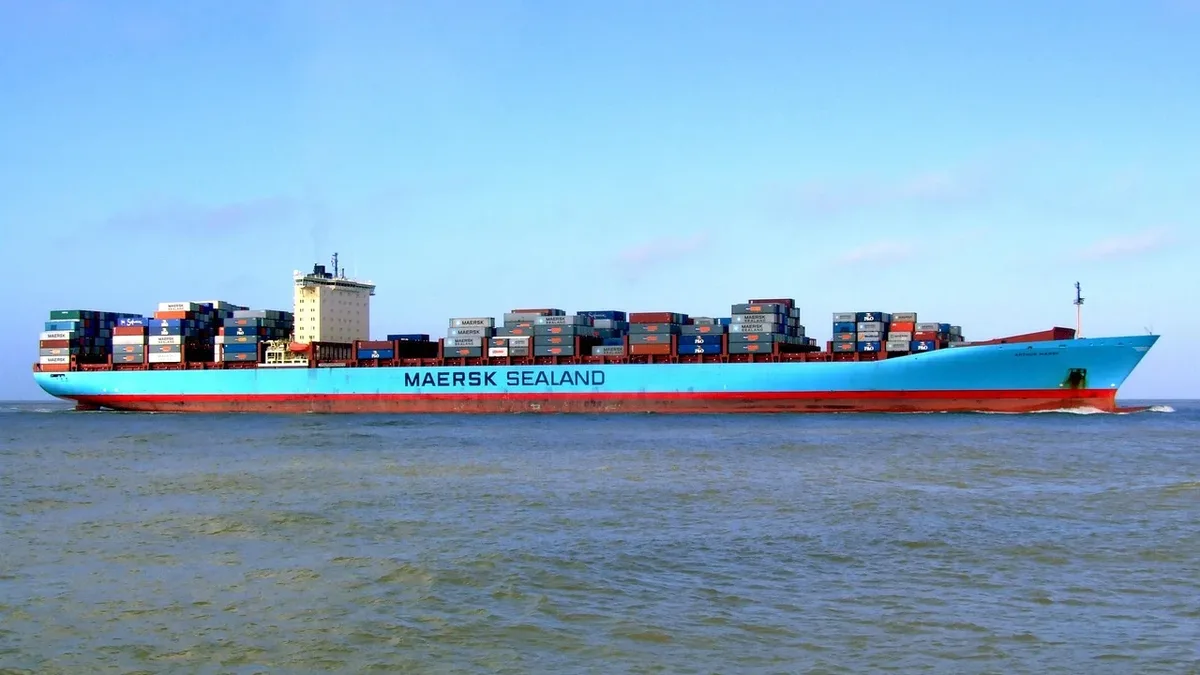
The primary function of Jebel Ali is to serve as a major industrial and logistical hub for the UAE and the wider Middle East region. It is the site of the Port of Jebel Ali, the world's largest man-made harbor and the busiest port in the Middle East by container volume, operated by DP World. The port functions as a critical regional transshipment and cargo handling hub, accommodating deep-draft vessels including United States Navy aircraft carriers. Adjacent to the port, the Jebel Ali Free Zone provides a regulated environment with tax and duty incentives for over 8,700 international companies. The area also hosts heavy industry, including the Jebel Ali Power and Desalination Complex and an aluminum smelter. Furthermore, it incorporates mixed-use developments like Dubai Investment Park and the legacy site of Expo 2020, now known as Expo City Dubai.
Pros and cons
The free zone's regulatory and tax incentives, including corporate tax exemption, provide a compelling environment for foreign business establishment. The port's deep harbor and scale offer unmatched capacity for large vessels and complex logistics operations, ensuring reliability. A significant drawback is its industrial character, which can make adjacent residential areas less desirable due to pollution, heavy traffic, and the historical risk of industrial fires. The very scale and bureaucracy of the operation can be daunting for smaller businesses without dedicated logistics expertise. Some companies may regret locating here if their business model does not require deep-sea port access or free zone benefits, as they incur the area's higher operational costs without utilizing its core advantages. A common mistake is underestimating the complexity and cost of navigating the customs and regulatory procedures between the free zone and the UAE mainland.
Who it suits
This port complex is ideally suited for large multinational corporations engaged in manufacturing, logistics, and trade that require deep-water port access and regional distribution capabilities. It serves global shipping lines and operators needing a high-volume transshipment hub for the Middle East, Africa, and South Asia corridors. The free zone specifically targets foreign investors and industrial companies seeking a stable base with tax advantages and streamlined import-export processes. It also suits heavy industries, such as energy and metals, that benefit from co-location with the power plant and port facilities. The infrastructure is designed for entities with substantial cargo volumes that can leverage the scale of the port's operations to achieve cost efficiencies. It is less suited to small, locally-focused businesses or those in the consumer retail sector that do not engage directly in international freight.